The first table I bought for five bucks flipped into a hundred-dollar score—proof that other people’s castoffs can pay your coffee habit. You’ll learn to spot smells, scuffs, and serial numbers like a detective, haggle without guilt, and fix a chipped lamp with a glue gun and swagger, I promise. Stick around and I’ll show you the exact items, tricks, and scripts that turn curbside junk into real money.
Why Garage-Sale Flipping Is a Smart Side Hustle
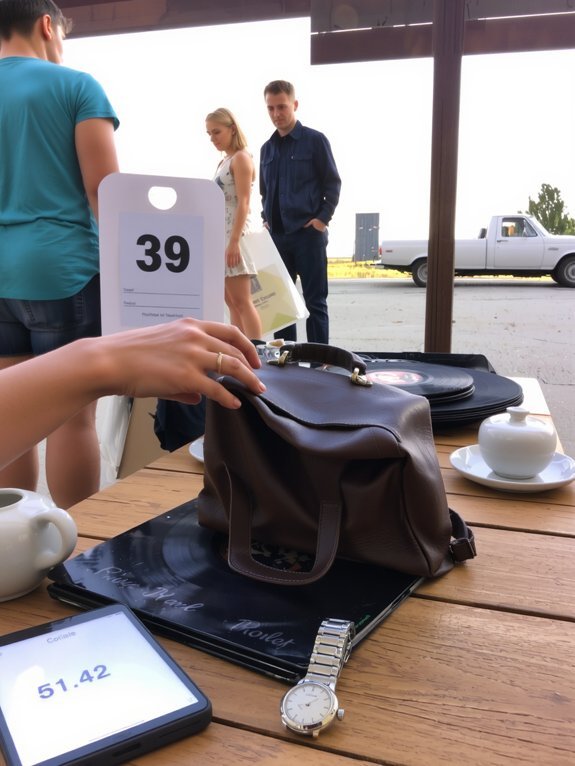
One good reason to start flipping garage-sale finds is that you can turn junk into cash faster than you can say “Did you ask the price?” I’ve spent weekends elbow-deep in folding tables and cardboard boxes, sniffing musty sweaters and flipping dusty picture frames, and I’ll tell you—there’s a thrill to it: the rustle of tags, the clink of loose change, the small triumph when a $2 lamp becomes $30 on your listing. You’ll learn garage sale benefits fast: low buy-in, instant inventory, and surprise treasures. You get clever, you spot value, you swap hesitation for hustle. Use basic flipping strategies, test prices, photograph well, write sharp listings, and haggle like you mean it. It’s fun work, honest money.
What to Bring and How to Prepare Before Heading Out
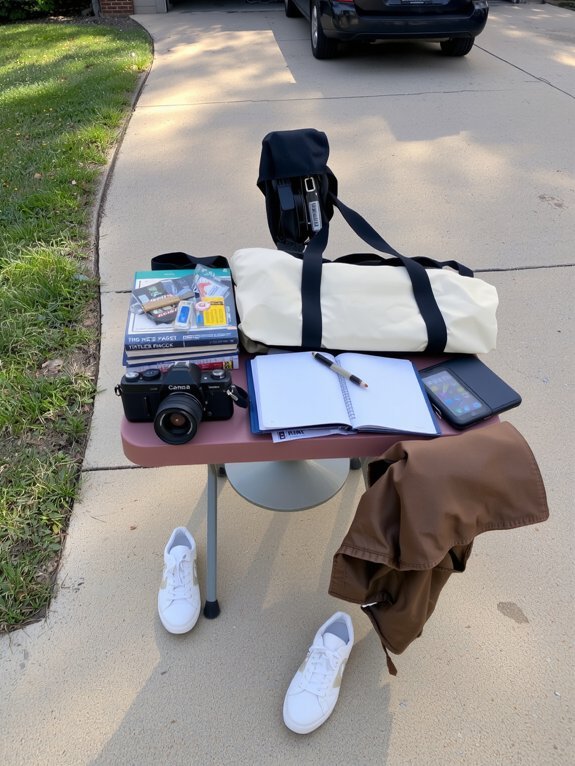
If you want to show up ready to score deals, don’t leave the house empty-handed—I bring a folding dolly, a tote bag that’s seen better days, and a coffee that’s still hot when the first bargain hunter arrives. You’ll want a checklist of packing essentials: tape measure, cash in small bills, gloves, zip bags, flashlight, multi-tool, and a notebook for quick notes. Dress in layers, wear comfy shoes, and stash a mask just in case. Before you go, map a route, set time limits, and use simple budgeting strategies so you don’t impulse-buy. I talk to sellers, joke about my mountain of mismatched mugs, and move fast. Come prepared, stay curious, and bring snacks.
How to Spot High-Value Items Quickly

Although people will call everything “vintage” these days, I’ve learned to spot the real gems in a glance, and you will too — once you tune your eyes and ears. You walk rows, sniff lemon oil and old paper, listen for confident sellers, and your brain does quick item identification plus a market trends check. Look for maker marks, classic shapes, solid materials, and anything that feels like it’s been handled with care. Trust instincts, but verify later. Table for a fast checklist:
| Look | Clue | Action |
|---|---|---|
| Mark/Label | Stamp, tag, logo | Note and photo |
| Material | Brass, hardwood, porcelain | Weigh in hand |
| Style | Iconic era design | Compare online |
You’ll move fast, smile, haggle, and walk away richer and smarter.
Assessing Condition, Authenticity, and Repair Needs
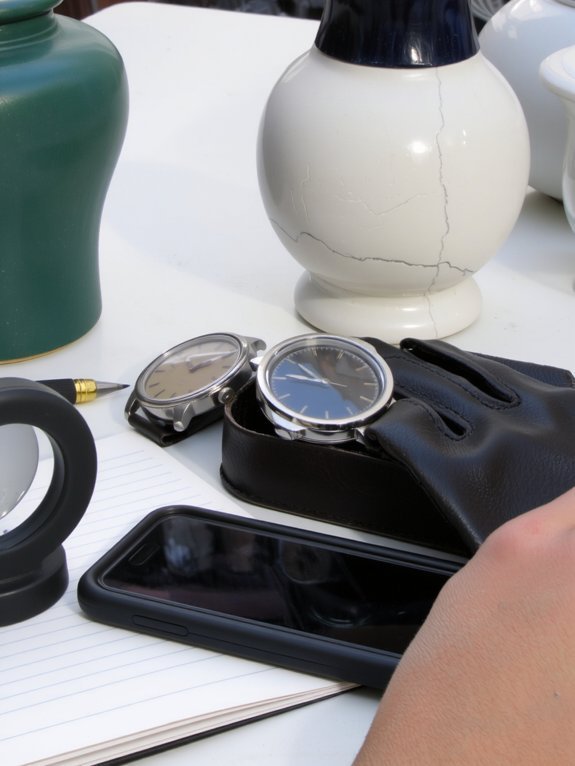
You’ll want to eyeball every item for wear and damage — lift it, sniff it, run your fingers along seams and edges to catch stains, rust, loose stitching, or hidden cracks. Check for authenticity marks next: stamps, serial numbers, maker’s labels, and hallmarks can turn junk into jackpot, so don’t be shy about flipping things over and asking the seller where it came from. I promise you, a quick, tactile once-over and a little sleuthing will save you from costly repairs and score the finds that actually flip for a profit.
Check for Wear and Damage
Start by getting up close and personal with the piece—don’t be afraid to breathe on it, flip it, and poke where it matters—because a quick once-over won’t cut it. I run my fingers along seams, tap wood for hollow spots, sniff for mildew, and squint under light. Do a wear assessment: look for rubbed edges, threadbare spots, faded color, and loose hardware. Then do a damage evaluation: cracks, water stains, missing parts, or creepy wobble. I’ll ask the seller a short, pointed question, then test moving parts, drawers, and zippers. Small fixes are fine, big structural issues aren’t, and you’ll feel it in your wallet. Trust your hands, your ears, and your gut—those tell the real story.
Verify Authenticity Marks
Okay, now that you’ve wiggled drawers and sniffed for mildew, let’s hunt for the real deal. You flip items, squint at stamps, and trace logos with your thumb, hearing the tiny click of confidence or the hollow echo of a fake. I tell you what to look for: crisp engraving, consistent fonts, and factory seams that match photos. Do brand research on your phone, compare serials, and scan for odd spelling — it’s forgery detection, detective work with better lighting. Ask the seller a quick story, watch their face, and mentally file inconsistencies. If a mark’s rubbed or missing, note repair needs, factor costs, and walk away when doubt costs too much. You’ll get better, fast, I promise.
Negotiation Tips to Buy Low and Save Time
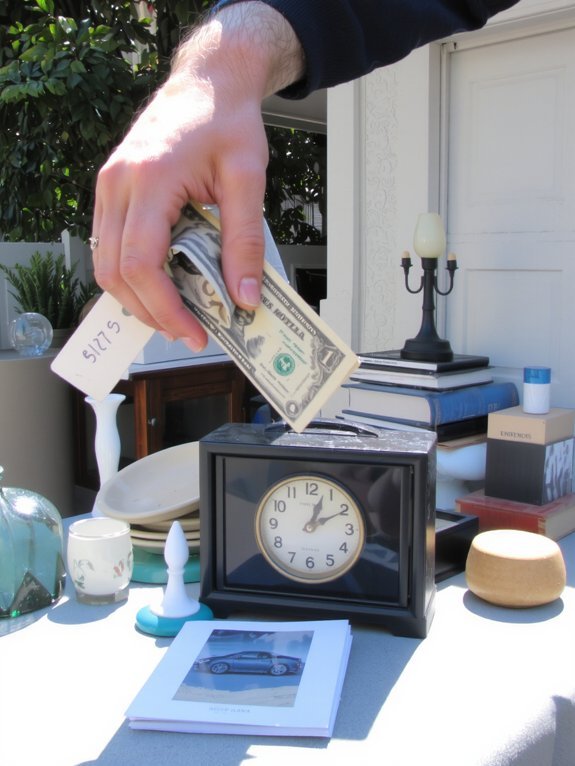
Get there early, cup of coffee in hand, so you spot the best stuff before the crowds and start conversations from a position of strength. Bundle items together and offer a friendly, time-pressed price—“I’ll take these three now for $15,”—which makes sellers smile and saves you bargaining later. If the seller hesitates, use a clear deadline, say you’ve got to be at another sale in ten minutes, and watch them fold faster than cheap lawn chairs.
Arrive Prepared and Early
If you want the good stuff, you’ve got to be there before the crowds sniff it out — so I show up early, coffee in hand, keys jangling like tiny auction gavel. You’ll learn strategic timing fast; mornings mean fresh finds, lower prices, and sellers who haven’t hardened their hearts. Bring essential gear: flashlight, checklist, cash, tape measure. You’ll scan, sniff vintage, tap wood, and ask one calm question: “What’s lowest?” Walk slow, look sharp, smile like you mean it.
| Time Window | Strategy | Benefit |
|---|---|---|
| Dawn-8 AM | Quick sweep | Best picks |
| 8-10 AM | Friendly chat | Price flex |
| 10-12 PM | Risk check | Negotiate or leave |
| After 12 PM | Bargain hunt | Sellers tired |
Bundle to Lower Price
You’ve already scooped the shiny stuff by showing up early, now let me teach you the lazy genius move: bundle like a pro. You spot a stack of mismatched mugs, a scratched lamp, and a picture frame. Say, “Take all three?” Watch faces soften. You’re offering convenience, not charity. Whisper numbers, use bundle discounts as your secret sauce, and keep a grin—you’re friendly, not a shark. Mix item combinations that make sense: lamp plus frame equals bedroom set, mugs grouped by color feel curated. Feel the weight of the box, hear the cash register in your head, bargain like you’re rescuing treasures. Toss a silly joke, seal the deal, and sprint to your car with triumphant hands.
Use Time-Based Offers
When sellers see time ticking, their price judgment goes soft, so I like to wield a clock like a tiny, polite weapon: announce “I’m heading out in ten minutes” with a grin, and watch negotiations bend. You lean in, smell coffee and sun-warmed paperbacks, and offer a number lower than you’d whisper at a museum sale. Time sensitive promotions work here—flash bundles, “deal ends soon” lines, little staged deadlines—use them, don’t be shady. Say, “Take $10 now or I’ll grab two books and go,” then tap your phone, like you mean it. Urgency tactics speed choices, cut chit-chat, save your afternoon. You look a bit sly, you move on, you’ve got bargains in the trunk and a plan for resale.
Cleaning, Repairing, and Refurbishing for Maximum Profit
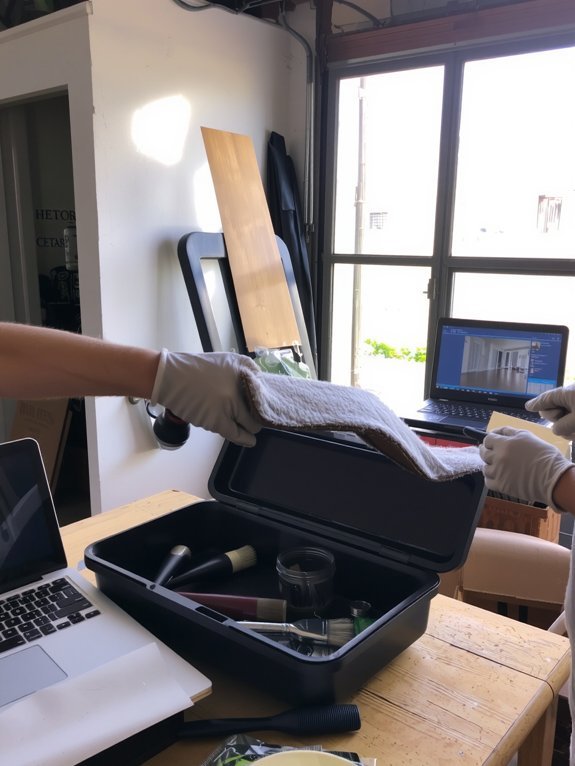
Three quick fixes can turn a dusty lamp into cash: a rinse, a polish, and a fresh shade. I’ll show you cleaning techniques that actually work, no lab coats required. You’ll scrub grime with vinegar, steam stubborn stains, and buff metal until it sings. Then we’ll tackle fixes: tighten loose screws, rewire a plug, replace missing knobs. Refurbishing tips? Sand, prime, and paint in thin coats, use foam brushes for smooth edges, swap ugly fabric for bright linen. You’ll smell lemon, hear the squeak of a new hinge, and grin when something that looked dead flips for a tidy profit. Don’t overdo it — minor effort, big return. I’ll guide you, and we’ll laugh at dumb mistakes.
Where to Resell: Online Platforms and Local Options
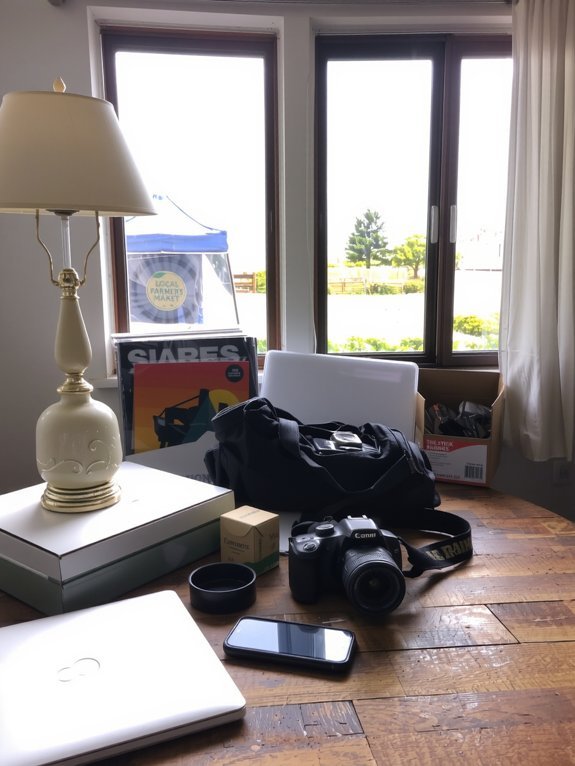
If you want cash in your hand fast, or a steady trickle of PayPal cha-chings, you’ll need to pick the right marketplace — and trust me, they’re not all created equal. I like to split my haul. Big-ticket stuff heads to e commerce platforms, glossy listings, searchable tags, buyers who’ll pay for convenience. Small, quirky items do better on local marketplaces — think curbside pickup, no shipping fuss, instant neighborly sales. You’ll photograph, type, and charm, then choose speed or margin. I’ll haggle a little, you can too; be human, not a robot. Swap a table at a flea market, post a toaster on Facebook, list a lamp on a national site. Mix channels, learn which sells what, rinse, repeat.
Pricing Strategies and Listing Best Practices
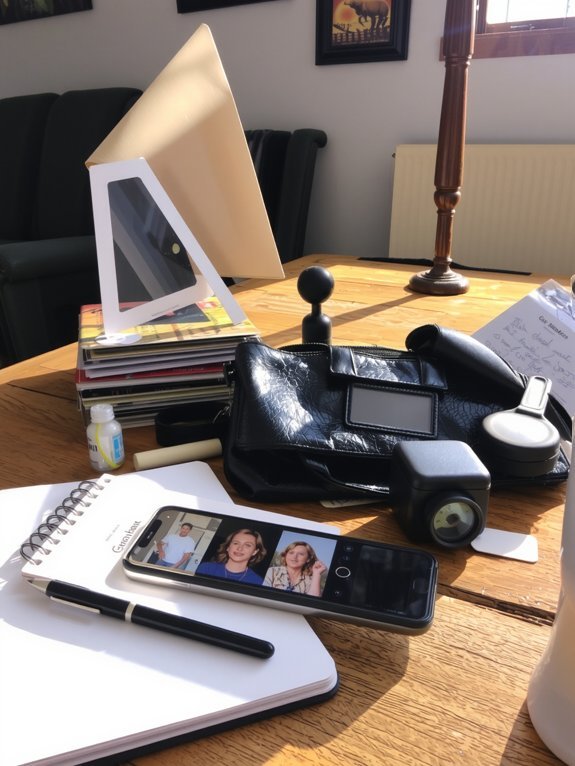
Because you want people to stop scrolling and open your listing, nail the price and presentation like you’re pitching a weirdly charming infomercial — I’ll show you how. You’ll use pricing psychology: charm buyers with $19.99, anchor with “retail $60,” and make them feel clever. Snap crisp photos, stage items on a tidy table, catch texture in sunlight, and write a zippy first line that hooks. Do a quick competitive analysis, scan three similar listings, then undercut or justify a premium with condition notes. Be honest, clear, and slightly cheeky. Offer bundled deals, fast shipping options, and a “final day” sticker for urgency. Test prices, tweak descriptions, and watch which listings actually make the cha-ching.
Scaling Up: Inventory Management and Sourcing Consistency
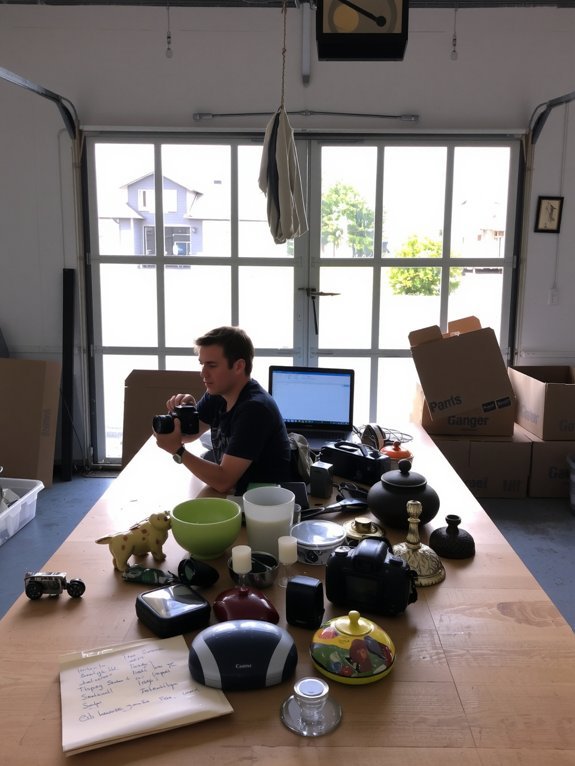
Great listing copy gets attention, but if you want to stop babysitting single sales and actually scale, you’ve got to think like a tiny, scrappy warehouse. You’ll build simple inventory tracking—spreadsheets, color tags, a phone photo log—so you know what’s boxed, priced, and ready to ship. I talk to my cooler-than-it-should-be storage tub like it’s staff. Sourcing strategies matter: map neighborhood sale times, befriend regular sellers, set alerts on apps, and hit estate sales with a plan, not panic. You’ll stack boxes, smell dust and old paper, and move fast. Make routines: pickup route, intake station, batch photos, list in blocks. Scale by system, not by chaos. You’ll thank me later.
Conclusion
You’re ready — keys in hand, coffee warm, nose for treasure tuned. I’ve shown you how to spot gems, haggle like a pro, clean, fix, and list with flair. Go hunt, rescue that dusty lamp, and turn it into cash; I’ll cheer from the curb. You’ll bruise your thumb, learn fast, and laugh at a few bad buys. Keep at it, scale smart, and enjoy the thrill of the flip.