A cracked mug on your desk is a tiny resume: imperfect, full of stories, and suddenly worth money if you know where to look. You’ll sit, speak, click, and critique—recorded thoughts that companies actually pay for—so get comfy, mute your dog, and warm up your “uh”s into useful feedback; I’ll show you which sites pay, what gear matters, and how to turn ten minutes into cash, but first—let me warn you about the traps most newbies walk into.
What Website Testing Jobs Are and Who Hires Them
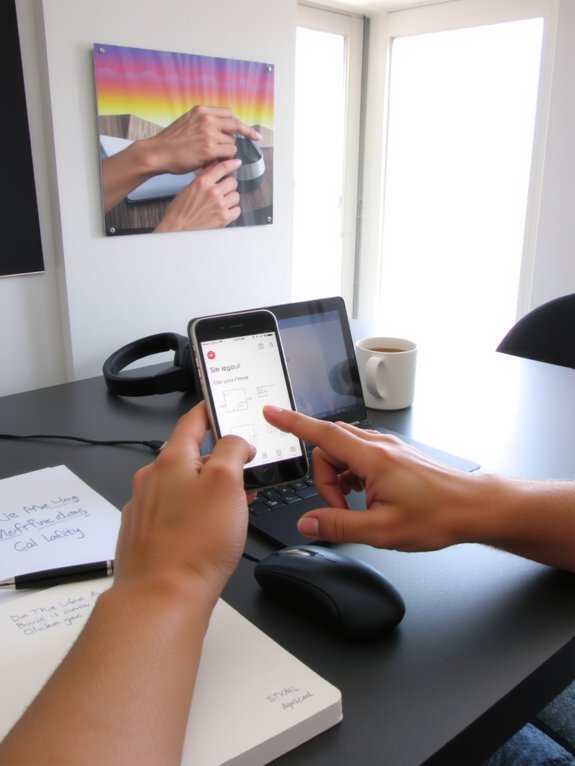
Think of website testing as being a digital taste-tester — you click, squint, and gripe so someone else can have a smoother experience. You’re handed a task, maybe to find a checkout button that hides like a shy raccoon, and you narrate your clicks, breaths, and confused frowns. Website testing gigs list clear job descriptions: time, pay, tasks, devices. Companies hiring you range from tiny startups to big retailers, even agencies that pretend to be calm while they panic over UX. I’ll tell you straight: you don’t need fancy skills, just honesty, patience, and decent internet. You’ll speak into a mic, describe what you see, and sometimes act like a confused shopper — it’s oddly fun, and yes, somewhat therapeutic.
Where to Find Legitimate User Testing Platforms
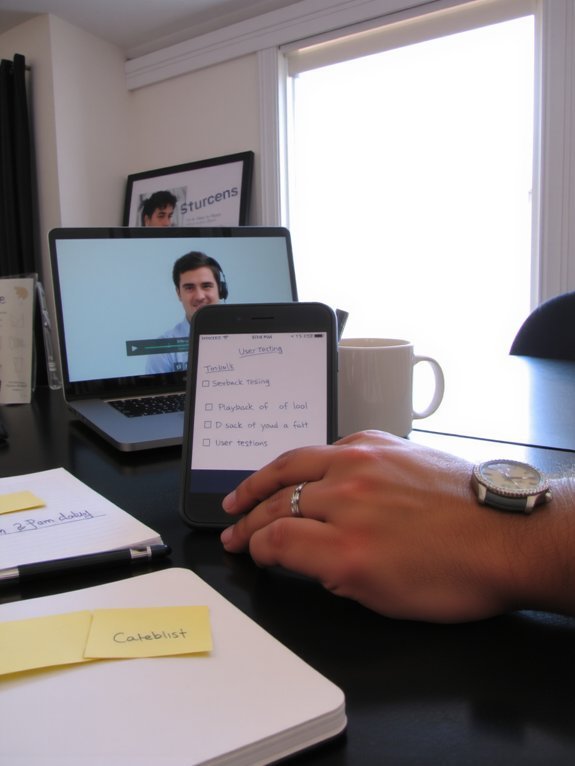
I’ll point you to the top-rated testing sites that pay reliably, the niche platforms that match your weird hobbies, and the ones with the cleanest payout vibes. You’ll see screenshots in your head, hear the ping of payments hitting your account, and learn which sites only want desktop users versus mobile testers. Stick with platforms that spell out payment and eligibility up front, don’t ghost you after sign-up, and give clear tasks — fewer surprises, more cash.
Top-Rated Testing Sites
When you’re ready to stop guessing which sites are legit and start getting paid for your clicks, I’ve got a short list that’ll save you time and sanity. You’ll spot top rated platforms like UserTesting, TryMyUI, and UserZoom mentioned in forums, and user reviews back them up with hard-earned praise and the occasional rant. I’ve tried a few myself—hot coffee, squinty screen, one forgotten microphone—and I’ll tell you what worked. Expect clear tasks, timed sessions, and steady payouts on the solid ones. Sign up, complete a sample test, and keep your profile fresh. Don’t chase every offer. Pick a couple, do reliable work, and watch the dollars roll in, one clear click at a time.
Niche Testing Platforms
Because big-name sites don’t cover everything, you can snag high-paying gigs in the weird little corners of the web—I’ve found niche platforms for everything from mobile gaming to medical portals, and they pay more for specific expertise. You’ll scout niche platforms like tiny bazaars, clicking profiles, reading screener questions, tasting unfamiliar interfaces. I’ll confess, I once tested a sleep-tracking app at 2 a.m.; the sounds were oddly soothing. Look for industry forums, LinkedIn groups, and Twitter threads where testers trade tips, and sign up to email lists that announce short runs. Specialized testing often means following strict scripts, using unique devices, and reporting precise steps — so bring patience, a quiet room, and good headphones. It’s satisfying, oddly tactile work, and pays off.
Payment and Eligibility
If you want to make steady cash testing websites, you’ve got to know where the legit money is and whether you actually qualify for it — no guessing, no rabbit holes, just clear steps. I’ll walk you through spotting platforms that pay reliably, scanning their payment methods, and checking eligibility criteria so you don’t waste time on scams. Look for platforms listing PayPal, bank transfer, or gift card options, read payout thresholds, and note processing times. Then match your profile to their rules: age limits, device needs, language fluency, and geographic restrictions. Test a small job first, feel the UI, hear the confirmation ding, and if it smells shady, bail. Trust your gut, log results, and keep hunting better gigs.
Types of Tests You’ll Be Asked to Do
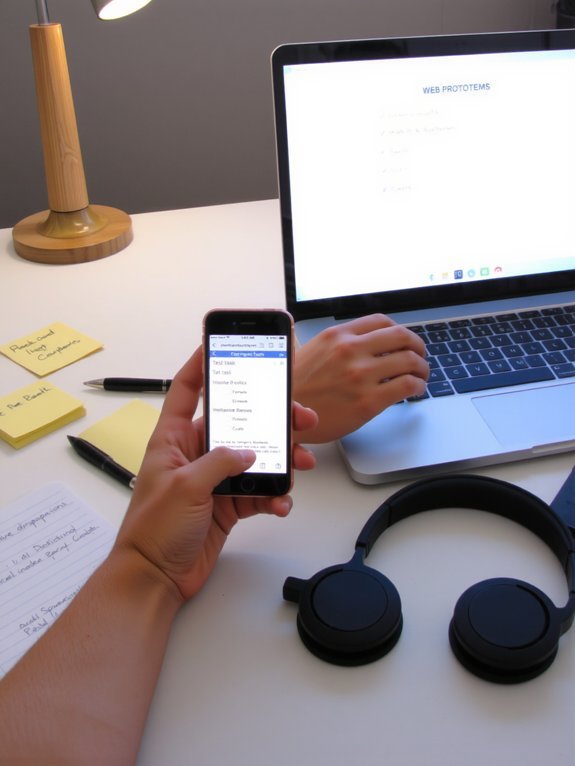
You’ll get two main kinds of gigs, and they’re both weirdly satisfying. First, you’ll do usability tasks — clicking through flows, saying what feels obvious or baffling, and noticing whether a button looks like a button or a mystery rock. Then you’ll run functional checks, poking links, forms, and carts to make sure the site actually behaves, so you can smugly report when it doesn’t.
Usability Tasks
When I first clicked “Start Test” I thought it would be boring—turns out it’s more like being dropped into someone else’s kitchen and asked to make coffee with half the appliances missing. You’ll get tasks that probe user experience, measure frustration, and feed usability metrics. You narrate clicks, pauses, smells of burnt toast—okay, not smells, but you’ll note timing, confusion, delight. Say what you expected, what happened, where you hesitated.
| Task type | What you do |
|---|---|
| Navigation | Find a product or page |
| Form filling | Complete signup or checkout |
| Content clarity | Read, interpret, summarize |
| Visual layout | Comment on spacing, contrast |
Be honest, be specific, and keep your tone human. Clients want real reactions, not heroics.
Functional Checks
Because websites are basically complicated vending machines with feelings, functional checks are where you poke buttons, watch gears whirr, and tell the team if the snack falls out—or if the machine eats your dollar. I guide you through clicking every link, submitting forms, and resizing windows, listening for hiccups, and noting dead ends. You’ll run functionality evaluation steps: logins, carts, search, media playback, and error messages. I describe the tap, the scroll, the lag, the toast that never appears. You’ll capture screenshots, steps to reproduce, and expected vs. actual results. This isn’t glamour, it’s impact. You help shape user experience, save frustrated users, and yes, get paid while pointing out the times the vending machine spits out a shoe.
How Much You Can Expect to Earn Per Test
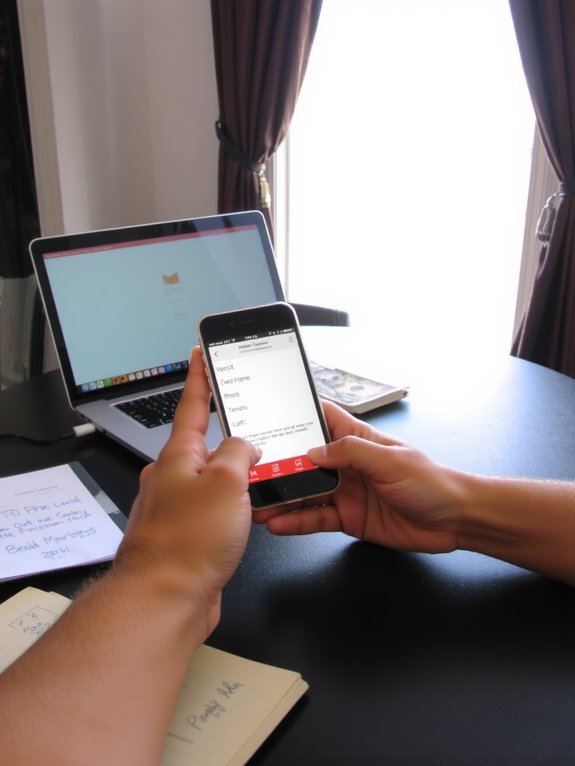
A typical test pays between $10 and $60, though I’ve seen outliers that’ll make you do a double-take. You’ll notice the average earnings hover around $15–$30 for most 15–30 minute jobs, and that feels sweet when bacon sizzles in the pan. Pay depends on complexity, client and platform, and test frequency — some weeks you’ll feast, other weeks you’ll nibble. I log invites, accept the quick gigs, and save long ones for quiet afternoons. Expect simple tasks, crisp instructions, and the occasional weird bug that makes you laugh out loud. Treat each test like a mini-mission: read, click, speak clearly, submit. Do that, and the cash will trickle, then build.
Equipment and Setup You Need to Start
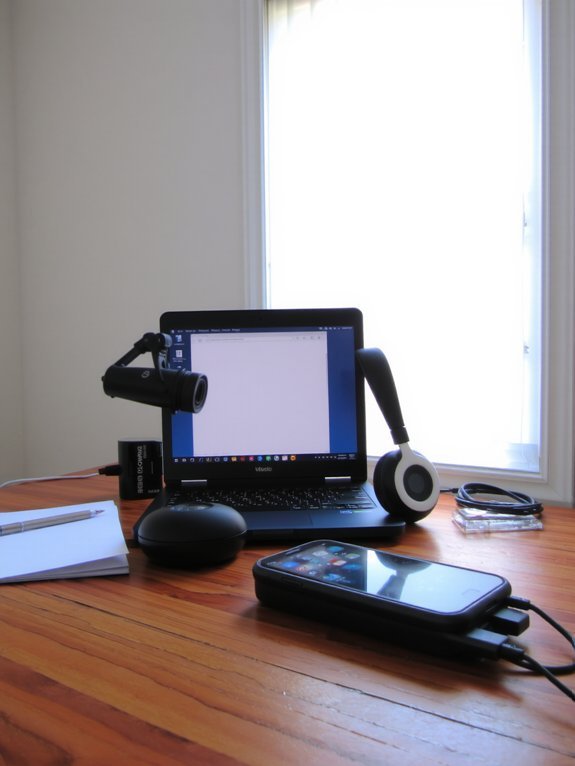
If you want to get paid to poke around websites, you’ll need more than curiosity and a snack drawer—you’re fundamentally setting up a tiny, reliable testing studio. I’d start with essential hardware: a decent laptop or desktop, a smartphone, and maybe a tablet so you can mirror real users. Check software requirements too — screen-recorders, browsers with dev tools, and test-platform apps. Don’t skimp on an ergonomic workspace; a supportive chair, proper monitor height, and soft lighting save your back and mood. Run a speed test, because internet speed matters; you’ll notice lag like a mosquito at a picnic. I joke, I groan, I test. Set up, breathe, click — and get paid for what you’d do anyway.
How to Create Clear, Actionable Feedback
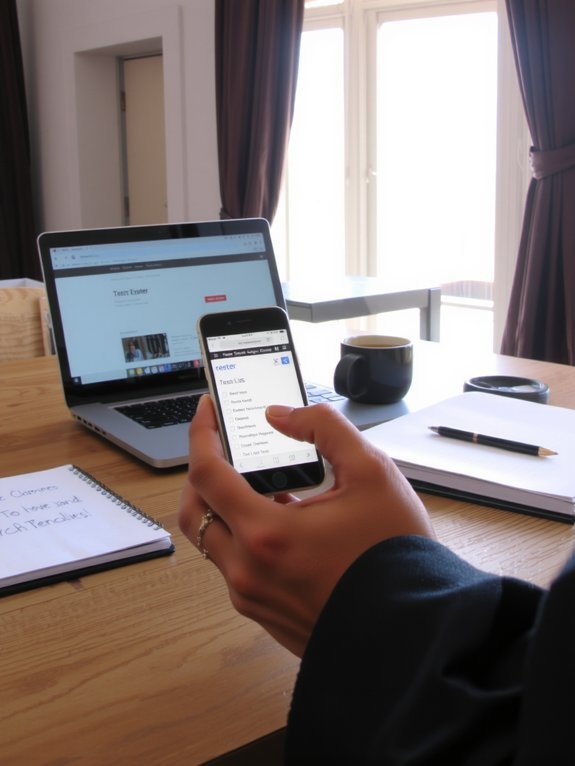
You’ll want to say exactly what you saw — not “it’s slow,” but “page takes 7 seconds to load on Chrome, images shift down as they load.” I’ll tell you to focus on fixes someone can act on immediately, so mark the priority, the device you used, and one quick repro step. Think like a helpful mechanic: point to the squeak, hand them the wrench, and don’t be afraid to crack a joke while you’re at it.
Be Specific and Objective
When you’re testing a site, don’t be vague—tell me exactly what happened, where it happened, and how it felt, like you’re narrating a tiny crime scene for a future detective. I want timestamps, page names, and the button label you clicked. Say “I clicked Subscribe at top-right” not “I tried the signup.” Describe colors, delay, and that odd stutter in the animation. Link these notes to user experience, mention which testing strategies you used, and say whether you replicated the issue. Be neutral, skip opinions like “terrible” unless you back them with facts. Use numbers, screenshots, and exact steps. Talk like a witness: calm, clear, a little sarcastic, but helpful. That kind of feedback actually fixes things.
Prioritize Actionable Fixes
Because vague bug reports are useless, start by carving your feedback into bite-sized, fixable tasks—I’ll point at the problem, say where it lives, and tell you exactly how to fix it. You’ll sound like a pro, and developers will actually thank you, shockingly. Focus on user experience, mention clicks, swipes, odd delays; link each issue to user engagement, explain impact, suggest a step-by-step fix. Be concrete: screenshots, timestamps, device, browser. Be brief, be kind, be bossy.
| Problem | Location | Suggested Fix |
|---|---|---|
| Broken CTA | Homepage hero | Replace link, test |
| Slow load | Product page | Compress images |
| Overlap text | Mobile nav | Adjust CSS padding |
| Confusing copy | Checkout | Rewrite, A/B test |
Tips to Complete Tests Faster and Improve Acceptance
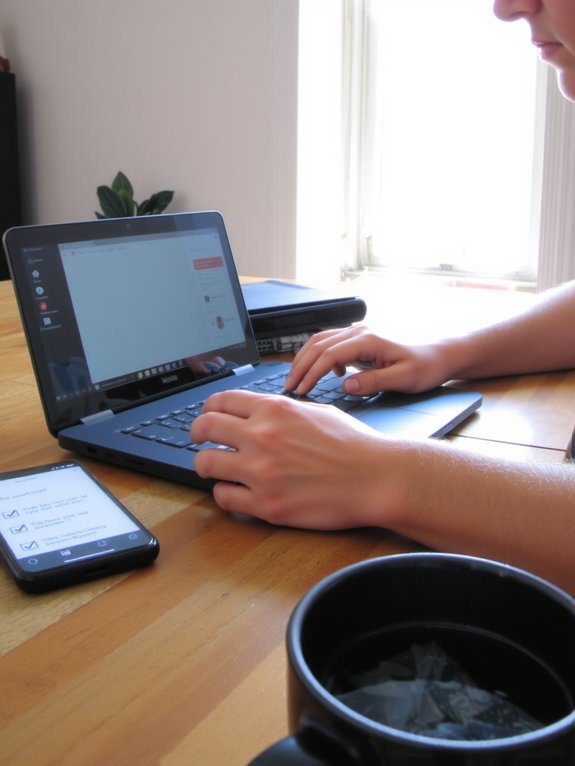
Two quick tricks will shave minutes off each test and make your recordings look like they were done by a seasoned pro, not someone panicking with a cold coffee and a noisy keyboard. First, adopt tight test strategies: rehearse the task path once, mute notifications, load pages ahead, and keep your mouse movements deliberate — like you’re steering, not flailing. Second, polish feedback techniques: narrate what you do and why, call out exact buttons, describe smells only if relevant (okay, don’t), and mark timestamps for crashes. I talk to the screen, you’ll laugh, it helps. Save common phrases in a note, copy-paste them, humble-brag your clarity. Finish early, review two seconds of audio, and submit with a satisfied exhale.
Common Scams and How to Avoid Them
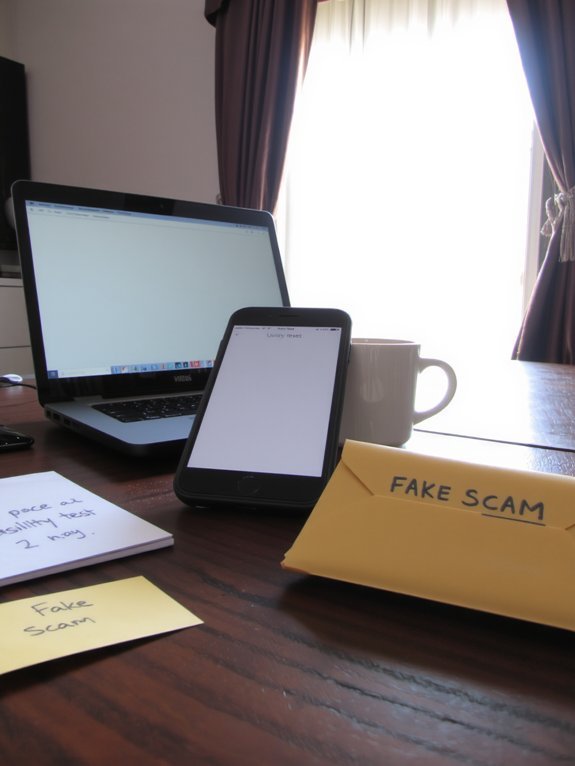
If something sounds too good — like “earn $200 doing this five-minute test!” — trust your ears and slow down; I’ve fallen for glossy promises before and learned to sniff out the stink. You’ll spot scam awareness signs fast if you watch for red flags: requests for upfront fees, shipping personal data, or weird payment methods. Pause, breathe, and Google the site’s reviews. I say no to anything pushy, and you should too.
| Red Flag | What to Do |
|---|---|
| Upfront fee | Walk away |
| No contact info | Research company |
| Vague task | Ask specifics |
| Odd pay method | Refuse |
| Too-good pay | Verify first |
Trust your gut, keep records, and laugh at your past gullible self.
How to Build a Steady Income From Testing
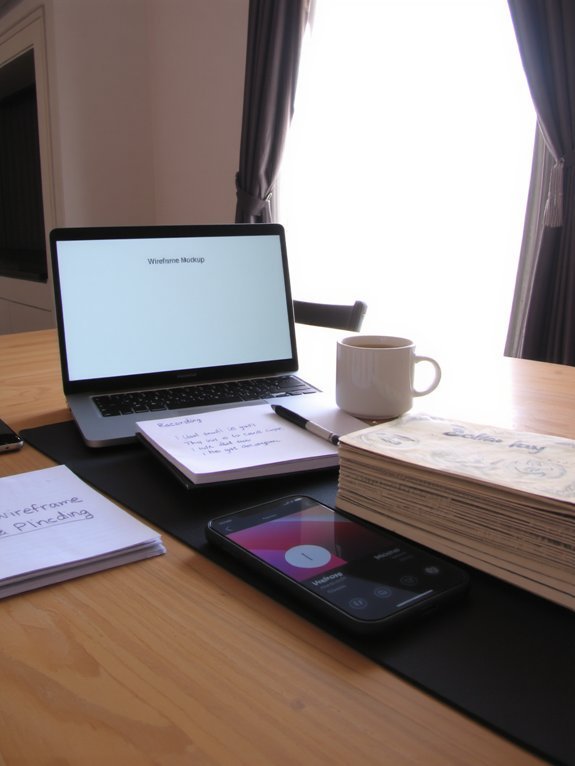
When you treat testing like a side hustle, not a hobby, you start getting reliable checks instead of one-off crumbs — and yes, I learned that the hard way by accepting the occasional $3 test while my cat judged me from the keyboard. You’ll set a schedule, log gigs, and chase steady strategies, not fireworks. I keep a simple spreadsheet, color-coded, smells like old coffee and victory. I pitch clients, follow-up with charm, and say “yes” to recurring work when it pays fairly. Income diversification matters — mix short tests, longer projects, and a couple of retainers. Build relationships, ask for referrals, and raise rates slowly, like a polite but firm bouncer. It’s steady, messy, rewarding, and entirely yours.
Skills and Tools That Help You Earn More
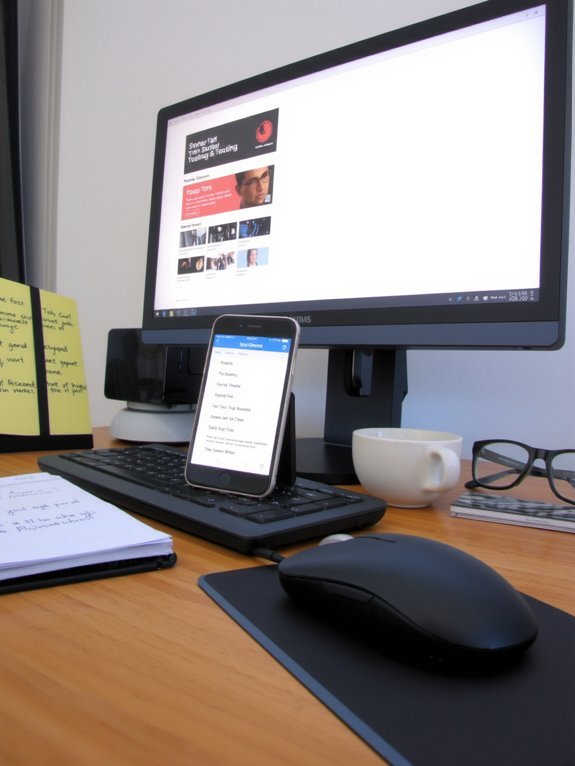
Because clients pay for results, not charm alone, you’re going to want a toolkit that actually moves the needle — and yes, that includes more than knowing how to click buttons without breaking the internet. I want you to learn a few sharp skills: basic website analytics to spot leaks, clear user experience instincts to read frustration on a page, and a knack for crisp bug reports that feel like helpful notes, not complaints. Carry a screen recorder, lightweight testing checklist, and a trusty browser dev console. Practice saying, “Try this quick fix,” then show it. Be curious, hungry, a little cheeky. That combo gets repeat work, referrals, and higher pay — because you’ll be solving real problems, not just finding typos.
Conclusion
You can do this, even if you’re not a tech wizard. I tried it in my cluttered kitchen, laptop humming, coffee cooling—real people stuff—and you’ll be fine. Sign up, follow prompts, speak plainly, point out what’s confusing, and cash will land in your account. Tests are short, pay’s decent, and you’ll get better fast. Worried it’s boring? It’s detective work with snacks—curious, satisfying, and strangely fun. Try one tonight.