
Most people don’t know that a single great photo can double your Mercari sales, even for thrift-store junk you toss in a bin; I’ll show you how to make your items look like runway rejects in good ways. You’ll clean, style, snap, and write listings that actually sell, price things so they fly off the virtual shelf, and ship like a pro — but first, you’ve got to pick the right stuff, and that choice sneaks up on new sellers like a surprise shipping fee.
Choosing What to Sell
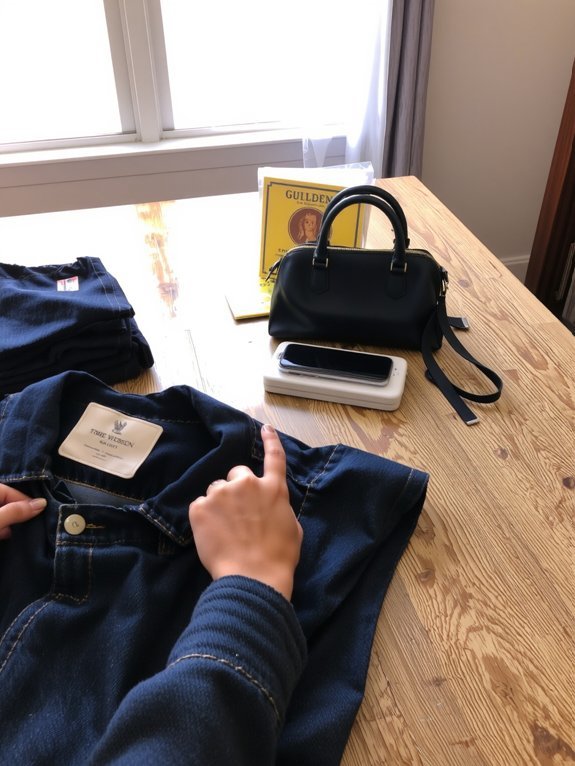
Pick five things you already own and look at them like a buyer — that’s where I start, and you should too. You hold each item, feel the fabric, check zippers, note scuffs, and picture a stranger’s eyes on it. I talk to myself: “Would you swipe right?” You’ll scan market trends, but don’t drown in charts; notice what’s popular in your niche, what your target audience actually buys. Take photos in natural light, snap close-ups, list honest flaws — buyers trust clarity. Price with confidence, not shame. Rotate seasonal stuff to catch demand spikes. Tell a quick story in your description, make it human, sprinkle humor. You’ll learn fast, sell smarter, and free up space you didn’t know you needed.
Researching Prices and Demand
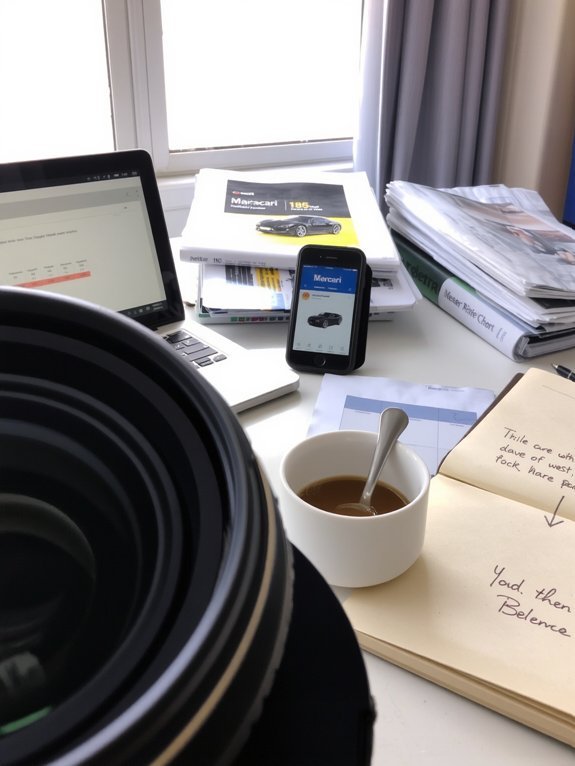
You’ll start by checking completed listings to see what actually sold, not just what’s being asked for, and I’ll squint at those photos with you like we’re bargain-hunting in a thrift store. Then we’ll compare category pricing, scanning similar items across listings so you know where to undercut or stand proud, and we’ll keep an eye on seasonal trends—pumpkin spice, holiday rushes, whatever’s hot. Stick with me, you’ll learn to sniff out demand like a pro, price smart, and stop guessing.
Check Completed Listings
Once you plunge into Mercari’s completed listings, you’ll feel like a detective sniffing out clues — except the clues are price tags and the suspect is demand. You skim completed sales, noting what actually sold, for how much, and how fast; I point and you jot. Use listing analytics to spot patterns: colors, brands, condition, timing. Imagine scrolling, squinting at dates, tapping images, you hear the tiny cha-ching of insight. Compare sold prices, ignore lone outliers, and mark reliable winners. I’ll nudge you to copy successful titles, tweak photos, and test a slightly higher price first. Keep a simple spreadsheet, track trends weekly, and don’t be precious—if something sat unsold, revise or relist. Simple, sharp, profitable.
Compare Category Pricing
Okay, you’ve been snooping through completed listings like a bargain-hunting bloodhound — now let’s widen the lens and compare prices across whole categories. You’ll scan category comparisons, note price fluctuations, and smell profit like coffee at dawn. Open Mercari, filter a category, and scribble ranges: low, average, high. Listen to listings—titles, condition notes, tiny photos that tell stories.
| Category | Low | Typical |
|---|---|---|
| Clothing | $5 | $25 |
| Electronics | $10 | $80 |
| Home Goods | $3 | $30 |
That table’s a quick gut-check. You’ll spot outliers, avoid flooded niches, and price where demand hums. You learn fast, adapt faster, and laugh when your first “genius” price flops.
Track Seasonal Trends
When the calendar starts whispering holidays and weather changes, you should be listening — I stalk seasonal spikes like a detective trailing a sugar-high trail of receipts. You scan past listings, smell the pine of holiday trends, watch prices climb for cozy sweaters, boots, or novelty mugs. Check search volume, filter sold items, set alerts, and lean into seasonal promotions when they pop. I toss items into themed photos, add crisp tags, tweak prices at dawn, and watch carts fill like popcorn in a hot pan. Talk to buyers, read comments, pivot fast. Don’t hoard summer gear in November, unless you like slow grief and garage dust. Be nimble, have fun, and sell what the season’s asking for.
Preparing Items for Sale
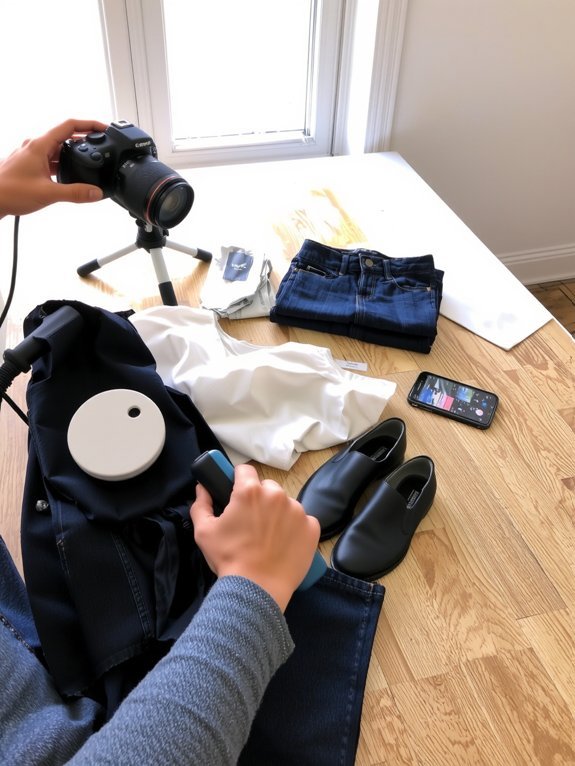
Start with three good photos and you’ll already be ahead of half the listings on Mercari; I say that because people skim, judge, and tap fast, and a sharp image stops the scroll like a bright sign. I tell you to inspect item condition first — seams, stains, zippers — get close, take detail shots, show flaws honestly. Then clean. Use gentle cleaning techniques: soft brush, mild detergent, quick spot-treat, steam for wrinkles, fresh air to kill the closet funk. I fold, stuff shoes, tuck tissue in hats, and arrange on a neutral backdrop so colors pop. I sniff, I prod, I photograph, I laugh at my perfectionism. You’ll present stuff that’s honest, fresh, and impossible to pass up.
Writing Listings That Convert

If you want people to tap “Buy” instead of skim past, don’t hide behind vague fluff — speak like a real human who’s selling something you actually care about, because I promise buyers can tell. I’ll show you quick listing optimization tricks that actually work. Start with a sharp title, drop in condition, brand, size, and a hook — like “vintage leather, smells like summer road trips.” In the description, be honest, tactile, and specific: mention zipper action, soft lining, tiny scuff on left corner. Use persuasive language sparingly, promise value, then prove it with details. Break info into bite-sized lines, add measurements, and suggest use-cases. Close with a friendly nudge: “Ask me anything, I’ll respond fast — I’m human, not a robot.”
Photography Tips for Higher Sales
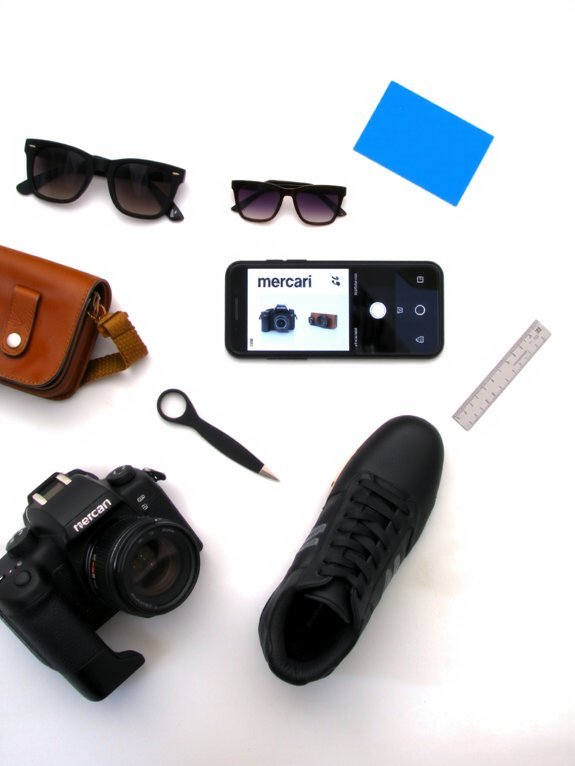
You want your listings to pop, so I’ll show you how simple tricks make buyers stop scrolling. Use soft natural light, shoot every angle like you’re telling a story, and point out flaws up front so people trust you. Trust me, a few crisp shots and honest close-ups turn browsers into buyers.
Use Natural Light
While I’m no professional photographer, I’ve learned that natural light will make your listings sing, and it won’t cost you a thing; open a window, drag your item to the brightest spot, and watch colors pop like they’ve had a triple espresso. I tell you this because natural lighting shows true hues, softens textures, and kills harsh shadows that lie about condition. Move a shirt, a lamp, whatever, into indirect daylight, tilt it, shimmy it, until the fabric whispers its story. Use simple photo backgrounds, like a clean wall or sheet, so your item steals the show. You’ll see tiny details, scuffs, and stitch-work without artificial glare. Trust your eyes, take a breath, snap, adjust — repeat until it looks honest and irresistible.
Show Multiple Angles
Great photos get eyes. I tell you, don’t rely on one snap, you’re selling an item, not a mystery. Turn the piece, shoot multiple perspectives: front, back, sides, top, close-up of texture. Move around, change height, get low, get overhead, let light bruise the fabric nicely. Diverse viewpoints help buyers imagine holding it, feeling the weight, seeing fit. I’ll wink and say: more photos, fewer questions. Include a scale reference, a tag, a zipper shot, a neat corner shot for context. Keep backgrounds simple, keep hands steady, use a tripod if you’re clumsy like me. Post the set in order, title it clearly, and watch interest climb — pictures do the selling for you.
Highlight Flaws Clearly
If a stain or snag exists, don’t pretend it’s a personality trait—point it out and photograph it like you’re exposing a tiny crime scene. You’ll hold the fabric close, squint in bright light, and snap a macro shot that makes the flaw impossible to ignore. I caption it with blunt honesty, framing the shot, noting size, scent if relevant, and why it won’t ruin wear. Buyers trust transparent descriptions, and you’ll get fewer returns. Highlighting imperfections isn’t a confession, it’s good marketing. Say “small red ink dot, 3mm, near hem,” show it from two angles, then move to the next photo. You’ll look professional, human, and a little charming — like a seller who knows their stuff.
Pricing Strategies and Fees
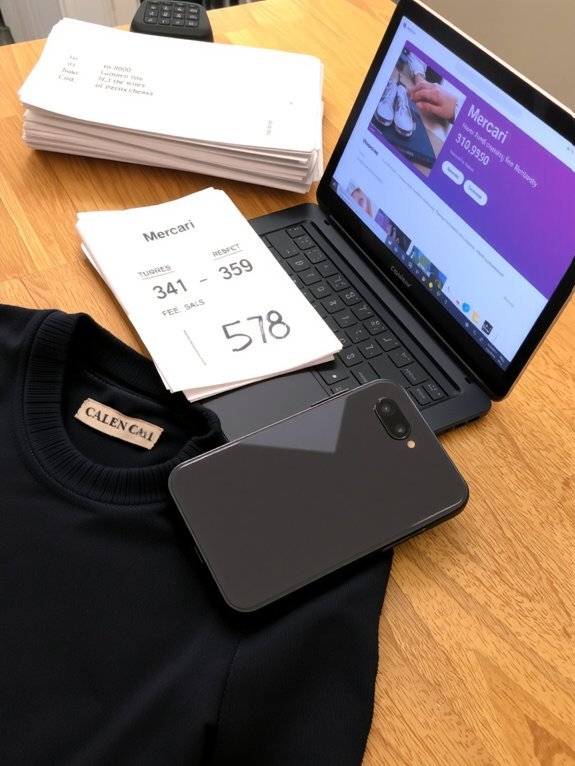
1 smart price can make or break a Mercari sale, and I’m here to make sure you pick the one that sells. You’ll use dynamic pricing, paired with competitive analysis, to nudge buyers and dodge bargain fatigue. I’ll show you how to set a bold ask, then trim in small, confident steps.
| Feeling | Action |
|---|---|
| Hopeful buzz | Lower by 5% after 7 days |
| Gentle urgency | Offer bundle discount |
| Calm control | Use price drops, watch views |
You’ll listen to the listing’s heartbeat — views, watchers, offers — and tweak. Fees bite, so factor Mercari’s take into your margin, don’t pretend it’s free. Test, learn, repeat; you’ll get the rhythm, and your bank balance will notice.
Packaging and Shipping Best Practices

Two things matter more than pretty photos when you ship on Mercari: protection and predictability, and I’ll show you both without sounding like a shipping-nerd bore. You want buyers who open a box and cheer, not mutter, so pick sturdy shipping materials—bubble mailers, corrugated boxes, packing tape that fights back. I wrap fragile bits in bubble, nest items in crinkled paper, and tuck a thank-you note that smells faintly of coffee (gross, I know). Use tight packaging techniques: fill voids, tape seams, label clearly. Weigh and measure, then choose tracked shipping so you sleep. Ship fast, snap a photo of the sealed package, and message the buyer. Small effort, big ratings. You’ll thank me when repeat sales roll in.
Conclusion
You’re ready. You found the right thing by accident, like me spotting a vintage jacket at a flea market and thinking, hey — profit. Clean it, photograph it, write a punchy title, set a strategic price, ship fast, follow up. Do those, and buyers will find you, over and over. You’ll pocket a little cash, learn quick, and laugh at your rookie listings — then watch them sell, again and again.