Ever found a stack of yellowed paperbacks that smell like attic summers and $50 bills? You’ll sort through scuffed covers and crooked dust jackets, spot the first editions and the mystery signatures, then photograph glossy spines under soft light — I’ll show you the best sites, what to ask for, and how to price them so you don’t lowball yourself; stick around and I’ll also show you the tiny scams that’ll chew your profits and how to ship without crying into the tape.
Preparing Your Books: Condition, Edition, and Marketability

Books, like old friends, tell you their value if you know how to listen. You dust the spine, inhale that papery perfume, and judge book condition with a steady eye; stains, loose pages, and broken seams kill a listing fast. I’ll point out edition importance—firsts and signed copies sing; mass-market reprints whisper. Watch market trends, they shift like weather; one week someone’s craze, the next it’s quiet. Photograph details, list flaws honestly, and write a voice that sells curiosity. You’ll price smart, ship careful, package snug—bubble wrap, kraft paper, a little thank-you note. Remember seller reputation matters; bad feedback haunts you. I’m blunt, you’ll laugh, and together we’ll turn clutter into cash.
Researching Where Your Books Sell Best

Okay, you’ve cleaned, cataloged, and photographed every dog-eared treasure, and now it’s time to stop guessing where they’ll sell best. You’ll do market research like a detective, scrolling listings, sniffing out demand, noting formats buyers crave, and tasting the digital air for trends — yes, I’m dramatic, but it works. Check marketplaces, indie forums, and social feeds; take screenshots, jot notes, compare shipping vibes. Run a quick competitor analysis: who’s undercutting, who’s charging vintage prices, who ships with bubble wrap and personality? Imagine your books on different shelves, hear the ka-ching. Then pick a primary platform, and one backup, test a few listings, tweak descriptions, watch what sells. Rinse, repeat, profit.
Pricing Strategies to Maximize Profit
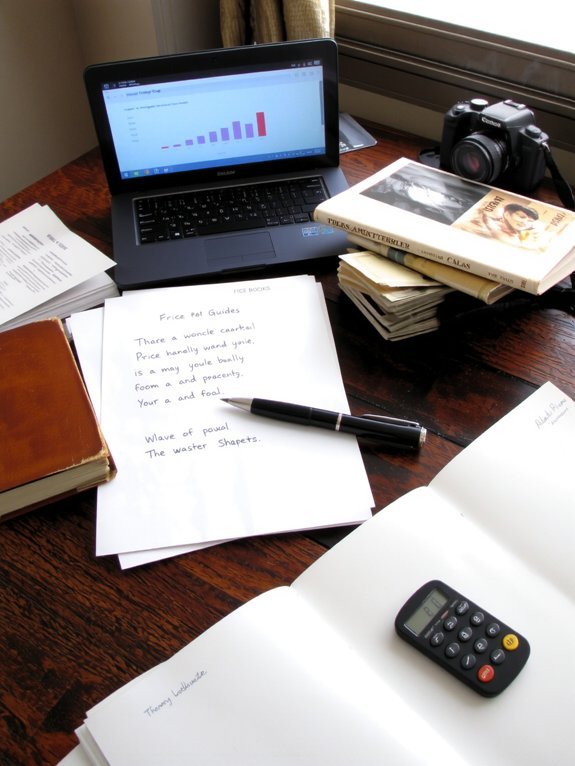
You’re going to size up the market like a detective, scanning competitors’ listings, prices and shipping tricks so you don’t undercut yourself or overprice into silence. I’ll show how to set condition-based tiers — from “well-loved” with coffee-stained charm to “near-mint” that smells like a bookstore after rain — and when to nudge a price up for rarity or drop it for quick turnover. Trust me, a little number-crunching and some honest photos will turn that stack in your closet into tidy profit.
Competitive Market Pricing
If you want to make real money from old paperbacks and suspiciously aromatic hardcovers, you’ve got to think like a market animal, not a sentimental hoarder. I’ll show you how to sniff out value. Do a quick competitive analysis, watch pricing trends, and don’t rely on gut alone. Check listings, note sold prices, and pretend you’re a detective with a magnifying glass and bad coffee breath. Undercut by pennies when it helps, match rare listings when it pays, and rotate prices during slow nights. I tweak titles, test shipping fees, and watch carts like hawks. You’ll learn to price for attention, profit, and speed. It’s math, theater, and a tiny bit of charming deception.
Condition-Based Price Tiers
When a book walks into your inventory, you’re going to size it up like a bouncer at a trendy dive bar — quick, a little judgmental, and with a flashlight under the chin. You note smell, spine creases, annotations, and the condition impact on buyer desire. Use tier pricing, clear labels, and tiny photos that tell the truth. You’ll charge more for crisp dust jackets, less for coffee rings. Be honest, be bold, and watch profits rise.
| Condition | Price Level |
|---|---|
| Mint | High |
| Very Good | Medium-High |
| Good | Medium |
| Acceptable | Low |
| Damaged | Clearance |
Play the tiers like a DJ, boost hits, retire duds, and keep customers dancing.
Creating Effective Listings and Photos
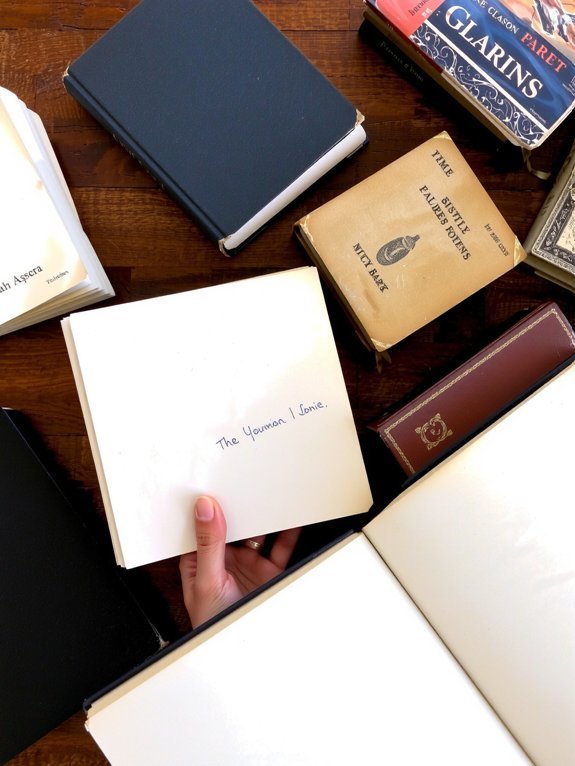
You’ll want bright, well-lit photos that show the cover, spine, and any foxing or notes — no grainy mystery shots, please. I’ll tell you to be brutally honest in the condition description, call out smells, tears, and inscriptions, and then slap a keyword-rich title on it so buyers can actually find the book. Trust me, a crisp image, a truthful line about wear, and a searchable title will sell more than pretending it’s “like new” and hoping for the best.
Clear, Well-Lit Photos
Three smart photos beat ten blurry ones every time, and I’ll prove it—probably while juggling a paperback and a phone. You’ll learn quick photo composition tricks: center the cover, use the rule of thirds for interest, angle a shot to show texture, and crop out clutter. I use natural light first, then soft fill from a lamp; lighting techniques matter more than an expensive camera. Hold the spine steady, tap to focus, and snap three frames — full cover, close-up of title, and a tasteful angled shot. Zoom with your feet, not the lens. You’ll look professional, sellers will trust you more, and yes, your cat won’t photobomb every picture.
Honest Condition Descriptions
Since buyers can’t leaf through your copy, you’ve got to become a tiny, honest detective—no trench coat required. You’ll note spine creases, page tanning, musty scent, even that ketchup smudge from ’03, and you’ll write it down. Use condition grading terms readers recognize, like “Good,” “Very Good,” or “Acceptable,” then explain: where the wear sits, how many annotations, if the binding squeaks. That honest representation builds trust, and trust sells books faster. Snap a close-up of flaws, describe texture, smell, and color shifts, don’t dodge the ugly bits. Say what you’d want to know, imagine the buyer beside you, squinting. A frank, vivid listing keeps returns low, feedback high, and your conscience embarrassingly clean.
Keyword-Rich Titles
If you want your listing to get noticed, think of the title like a neon sign: bright, specific, and impossible to ignore. You want to jab the eye, name the author, title, edition, and a killer hook — “first edition,” “signed,” “armchair mystery.” I tell you, buyers smell a good title from across online marketplaces, they do. Use keywords people search, toss in genre, era, and condition: “vintage,” “rare,” “like new.” Don’t stuff nonsense. Imagine a collector scanning: crisp type, short pauses, the heart of the book laid bare. Mention book collecting phrases if it fits. Keep it tight, readable, and honest. You’ll sell faster, feel smug, and I’ll accept a tip in bookmarks.
Choosing Between Marketplaces and Specialty Sites

Wondering where to park that stack of dog-eared mysteries and moonlit poetry? You’ll weigh marketplace comparison first: wide audience, quick listings, predictable fees, and a bit of chaos—think crowded flea market, neon signs, cash register dinging. Then glance at specialty site advantages: curated buyers, higher prices for rarities, expert grading, and a calmer vibe—like a cozy bookstore where someone actually smells the paper. I tell you, I’ve sold niche poetry for more than I expected, and I’ve also dumped a box on a marketplace just to clear shelf space. You’ll decide by book type, patience, and appetite for hassle. Want speed and volume? Go marketplace. Want top dollar and care? Choose specialty. Trust your instincts, and sell smart.
Handling Shipping, Packaging, and Tracking
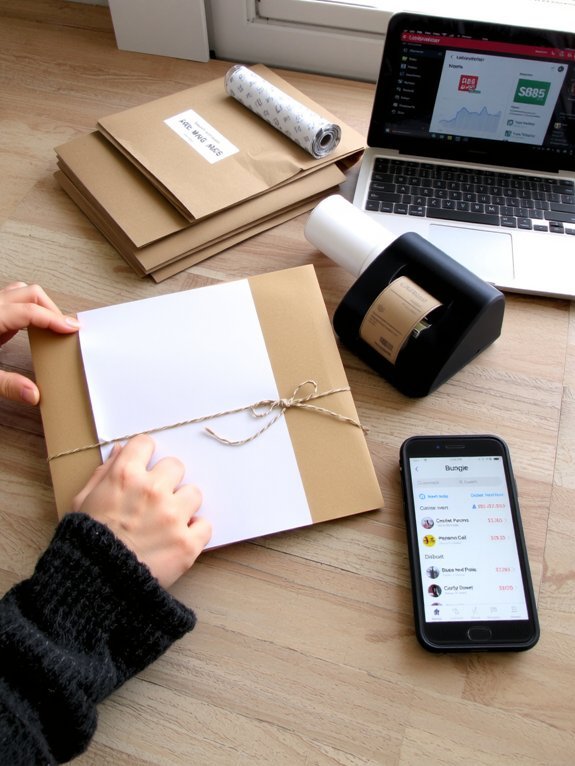
When the buyer’s excited “It arrived!” message pings your phone, you want them smiling — not squinting at a soggy cover, or cursing a crushed spine, or guessing whether the seller was a ghost. Pack like you care, because you do. Wrap pages in tissue, slip a rigid cardboard sandwich around the book, tape every seam. Choose shipping options that match value: media mail for cheap paperbacks, priority for pricier editions. Weigh and measure, print labels, kiss a stamp goodbye. Add tracking services, always, so both of you can watch the parcel’s little progress bar across the country. Drop at the post office, schedule a pickup, or hand to a courier. Confirm shipment in the listing, breathe out, then relish that tiny, honest triumph.
Managing Offers, Returns, and Buyer Questions

Because buyers love to haggle like they’re at a yard sale and also expect Amazon-level politeness, you’ll wear a few hats: negotiator, customer-service rep, and amateur therapist. You’ll handle managing offers like a pro—counter firmly, concede rarely, and keep a smile in your tone. When questions pop up, answer clearly, add photos, and show the spine or stain; buyers relax when they see detail. Returns happen; set a short, fair policy, inspect items fast, refund quickly, and offer store credit if you’re feeling cheeky. Above all, make responding promptly a habit, pinging buyers within hours, not days. Quick replies calm nerves, build trust, and make you look impossibly competent, even when you’re winging it.
Selling Textbooks, Rare Books, and Collectibles Differently

You’ll treat textbooks, rare editions, and collectibles like different animals at the market — textbooks need clear condition notes and ISBN checks, rare books demand authentication and grading, and collectibles want platform choices that reach niche buyers. I’ll walk you through quick ways to spot market value shifts, verify provenance without breaking the bank, and pick the best sites so you don’t end up listing a treasure on the wrong shelf. Trust me, you’ll feel smarter, save time, and probably laugh at my terrible puns along the way.
Market Value Differences
Think of value like a wardrobe: a battered college textbook is your reliable hoodie, a first‑edition folio is the silk blazer you only wear to weddings, and a comic book with a price sticker from 1978 is that weird hat you found in the attic that somehow pays rent. You watch market trends like weather, you check recent sales, you note pricing fluctuations, and you act fast when storms hit. Textbooks sell by demand and semester cycles, so you list, ship, and move on. Rare books live on scarcity and story, so you photograph spine cracks, caption provenance, and wait. Collectibles ride nostalgia, condition, and hype—box the scent of old paper, tag imperfections honestly, and price to catch a buyer’s eye without scaring them off.
Authentication and Grading
When I say “prove it,” I mean the book better earn its stripes — and you’re the one who’s got to show them off. You’ll learn book authentication fast, by handling dust jackets, smelling paper, scanning signatures, and checking edition statements. Be blunt, take photos, note foxing, inscriptions, and repairs. Use clear grading criteria so buyers trust you; say “VG” or “Poor,” don’t waffle.
| Feature | What to Check |
|---|---|
| Edition | First printing, publisher marks |
| Condition | Tears, stains, binding tightness |
| Provenance | Ownership marks, letters, receipts |
| Signatures | Author, inscriptions, authenticity |
| Restorations | Repairs, rebinding, replaced parts |
Play detective, keep records, tell the story honestly, and you’ll sell smarter, not harder.
Best Selling Platforms
All that detective work on condition and signatures pays off only if you pick the right stage to show off your books. You’ll list textbooks where students hunt—think campus-focused sites and the best online marketplaces with textbook filters, clear photos, and shipping rules. Rare books deserve auction houses, specialist forums, or curated marketplaces that let you boast provenance, smell the old-paper tang in the photos, and set reserves. For collectibles, try niche marketplaces or social media selling, where quick reels, close-ups of gilding, and chatty captions spark bidding wars. I’ll nudge you toward hybrid strategies: start broad, test prices, then migrate winners to specialty venues. You’ll learn fast, tweak listings, and yes, pat yourself on the back when they sell.
Using Bulk Sale Options and Local Pickup

If you’ve ever stared at a leaning tower of paperbacks and felt guilty about clogging the hallway, bulk sales and local pickup are your two best get-out-of-closet options, and I’m here to hold the ladder while you toss the books down—carefully. You’ll learn bulk sale strategies that save time and move mountains of paper, and you’ll see local pickup benefits like instant cash and zero shipping stink. Pack, price, photograph; make neat stacks that look irresistible. Host a weekend curb sale, list a lot online, or call a local shop. Meet in daylight, on your porch, with coffee and a smile. Be clear, be firm, and don’t apologize for decluttering. Here’s a quick, honest breakdown:
| Option | Speed | Effort |
|---|---|---|
| Lot sale to dealer | Fast | Low |
| Online bundle listing | Medium | Medium |
| Local pickup meetup | Fast | Medium |
| Charity drop-off | Slow | Low |
| Garage sale | Variable | High |
Tips to Avoid Scams and Protect Your Earnings

Because you’re about to turn cash into reality and not a phishing scam’s next trophy, pay attention: I talk from bruised-knuckle experience, so trust me when I say don’t get cute with strangers or vague payment methods. I tell you this because scam warning signs often hide in plain sight — odd urgency, overpayment offers, or buyers who refuse platform messaging. Pause. Breathe. Inspect screenshots, URLs, and grammar, they smell fishy fast. Use tracked shipping, require buyer confirmation, and pick reputable payment channels; transaction security tips include two-factor auth, invoice receipts, and holding funds until delivery confirms. Meet locals in daylight, public spots, the coffee shop with strong Wi‑Fi and better witnesses. Say no to weird requests. Stay sharp, you keep the cash, I keep the bruises.
Conclusion
You’ve done the tidy work, boxed the memories, and learned the market’s little quirks — now sell them. I’ll tell you straight: don’t hoard dust, turn it into cash. Snap bright photos, write honest blurbs, price smart, and ship like you mean it. Be picky with buyers, but fair. You’ll trade paper for pocket change, and feel lighter. That quiet sigh? It’s the sweet sound of small treasures finding new homes.