You think it’s too much hassle, but you can turn that closet chaos into cash without crying over hangers. I’ll show you how to clean, photograph, price, and sell stuff that actually moves—no weird emails, no dusty storefronts—just quick fixes, catchy photos, and a little witty copy that does the heavy lifting. Grab a lint roller and some natural light, because once you see your first sale, you’ll be tweaking listings like a pro…
Why Selling Your Clothes Is Worth It

Because you kept those jeans for the memories, not the fit, selling them actually feels good — like cleaning out a drawer and finding cash. You unzip pockets, smell faint perfume, remember a rainy night, then snap a photo. You feel lighter, and you notice the environmental impact — fewer textiles in landfills, less fast-fashion waste, a small but real win. You also get the financial benefits, cold hard cash that buys coffee, repairs, or new-to-you treasures. I’ll cheer you on, with a grin and a thumbs-up. Say goodbye, price it fair, pack it like you mean it. Quick messages, friendly replies, a little patience, and you’ll trade nostalgia for money, and feel smugly practical doing it.
Best Online Platforms to Reach Buyers

If you want to sell your stuff fast, know where the buyers hang out — and I’ve got receipts (literally and figuratively). You’ll list on online marketplaces like Poshmark, eBay, and Depop, snapping bright photos on a sunlit table, tapping quick descriptions that sound human, not robotic. Use social media to tease drops — an Instagram Reel, a story poll, a catchy caption — and watch messages pop like popcorn. Price smart, bundle similar items, and respond fast; buyers ghost slower than exes, but you can beat them. I’ll admit I once underpriced a vintage jacket and cried into my coffee. Learn from me: good pics, clear sizes, honest notes, and prompt replies sell more than wishful thinking.
Local Options: Consignment, Thrift, and Pop-Up Sales
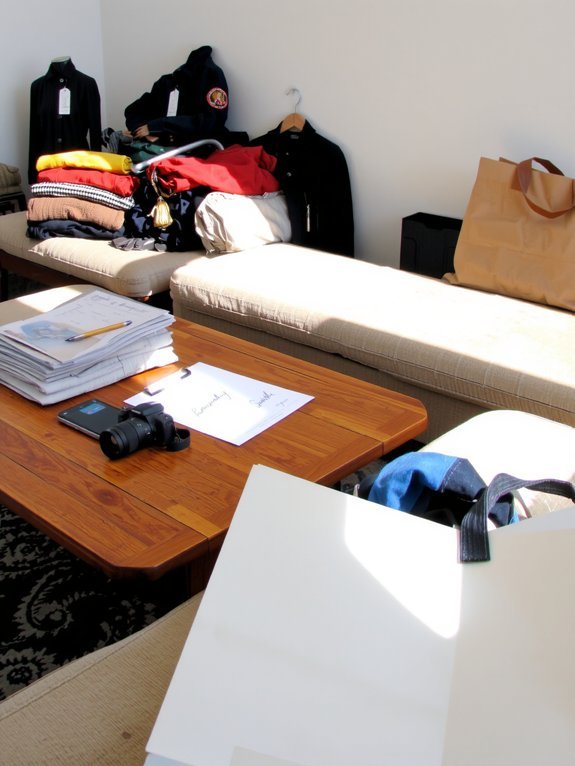
When I want cash fast and zero shipping drama, I hit the local options — consignment shops, thrift stores, and the pop-up sales that smell faintly of coffee and new tags. You scan racks together, you chat with cheerful shop owners, you hand over a dress and get a number, no packing tape required. Local consignment shops often curate, so bring polished pieces, hang them neatly, and wink at the owner — charm helps. Thrift store events — donation drives, preview nights — move volume, so show up early, grab a good spot, price tags intact. My pop up sales strategy? Pop the table, brew quick coffee, tag sizes clearly, play a playlist. Don’t forget community clothing swaps, they’re cash-free, social, wildly efficient.
How to Price Clothes for a Quick Sale
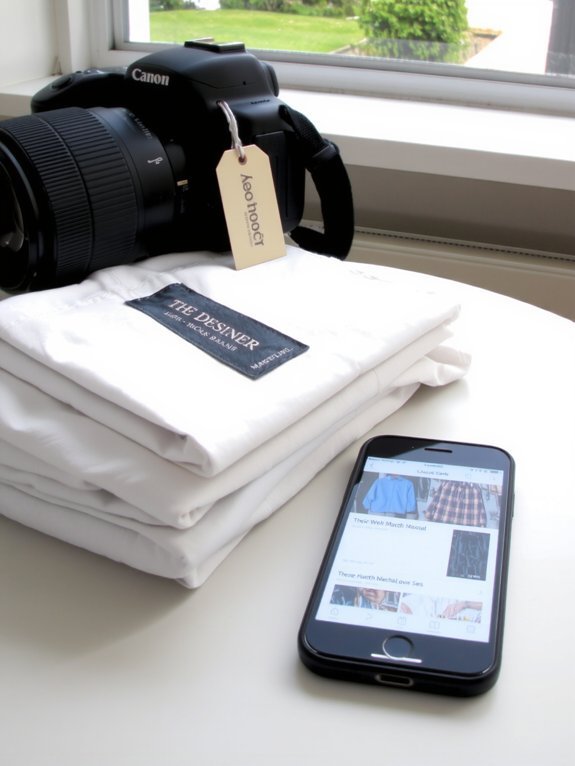
You want that pile gone, fast, so start by eyeballing condition and wear—snagged hems, faded prints, fresh seams—and call it like you see it. Remember brand and demand: a name-brand jacket gets more wiggle room than a thrift-store tee, so price smartly and don’t be precious. Then set a competitive pricing range, three quick numbers you’ll accept, and say them out loud like a trade secret; trust me, bargaining goes smoother when you sound decisive.
Condition and Wear
Alright — let’s eyeball that worn blazer like a detective, not a hoarder. I tell you to feel the fabric quality first, run your fingers over the weave, smell it for must or perfume, note softness or thinning. Hold it to light, look for visible damage: pulls, stains, missing buttons, seam splits. I’ll be blunt — buyers see flaws first, so photograph close-ups, admit faults in listings, and price accordingly. Small repairs? Sew a button, patch a hem, and watch the value climb. Big holes or heavy fading? Drop the price, bundle with similar pieces, or pitch to upcyclers. You want a quick sale, right? Be honest, tidy it up, and make flaws obvious but forgivable.
Brand and Demand
Since a name embroidered on a tag can be worth as much as a miracle, start by ID-ing the brand and feeling the crowd’s pulse—luxury labels, cult streetwear, and vintage names all sell faster and at higher prices than generic mall brands. I lift the garment to the light, trace the logo, sniff the fabric (yes, you’ll do that), and note quirks that scream provenance. Brand reputation matters, so mention provenance, year, and any collab; buyers love a story. Watch demand fluctuations like weather; a celeb sighting or reissue will spike interest, so list fast when hot. Be honest about fades, but hype unique traits. You’ll price smarter, sell quicker, and sleep better knowing you didn’t undersell.
Competitive Pricing Range
Three quick price checks will save you days of haggling and one very awkward DM. I tell you this because you’ll want a fast sale, not a couchful of unanswered offers. Run competitive pricing strategies across three platforms, note the sweet spot, then shave 10–15% for speed. Peek at similar brands, fabric shots, and tag photos — you’ll see what moves. Do a quick market demand analysis: is this piece trending, or sitting in nostalgia-ville? If demand’s hot, push a little; if cold, be the generous seller who surprises buyers. Pack the item, take crisp daylight photos, write a punchy line, and list it. You’ll sell it, and yes, you’ll feel smug.
Preparing and Photographing Items That Sell Fast
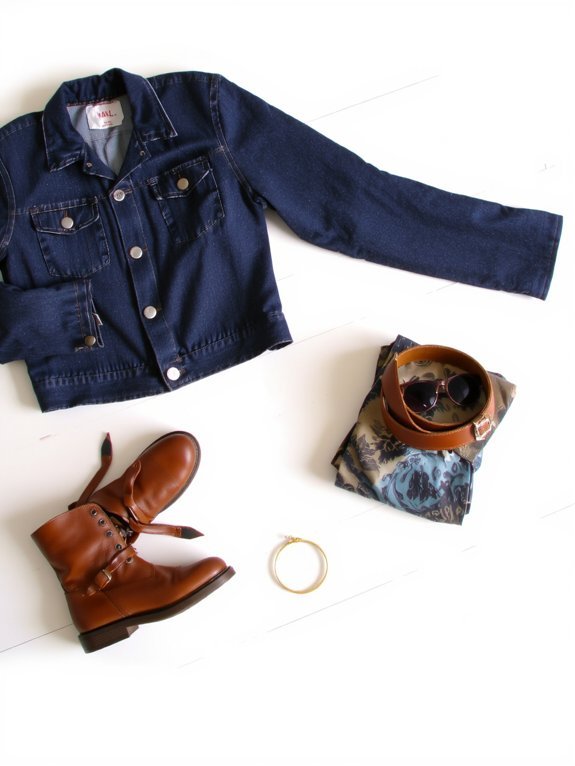
You’ve got a pile of shirts that smell faintly of weekend takeout and nostalgia — let’s make them irresistible. Start with item selection: pick pieces with clear defects or standout features, trim the sad ones, keep the gems. Wash, de-pill, press—feel the fabric, fix loose threads, tuck collars. Next, stage a simple scene: plain wall, wooden chair, natural window light, maybe a plant for contrast. Use lighting techniques that flatter texture—soft side light for knit, even light for prints—avoid harsh shadows. Photograph from multiple angles, close-ups of tags and flaws, a shot showing scale on a hanger. Write brief, honest captions, add measurements, and toss in one witty line. You’ll sell more, faster, trust me.
Safety, Shipping, and Payment Tips to Avoid Scams
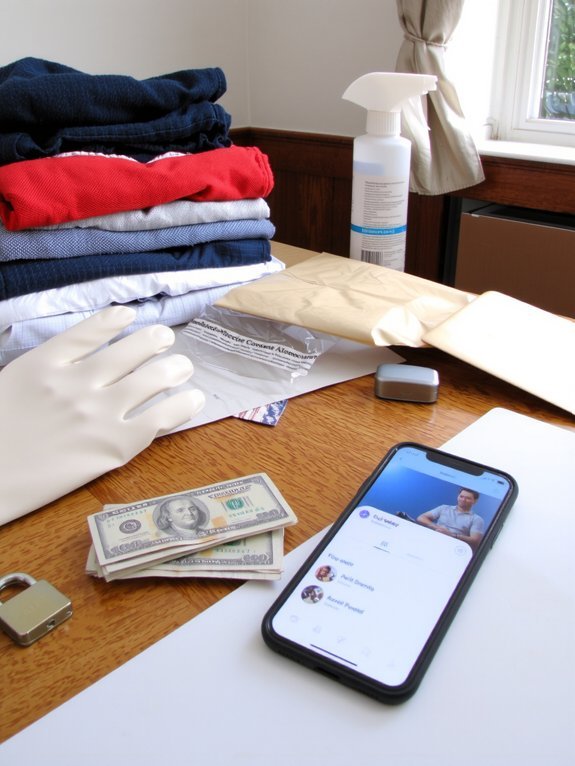
I’ll be blunt: you want your money, not a headache, so stick to trusted payment methods like PayPal Goods & Services or credit cards, and don’t accept weird wire transfers — they’re a common trap. When you ship, use tracked, insured labels, photograph the packed box, and say the tracking number out loud like it’s a secret handshake; that way you’ll actually be able to prove delivery if someone cries fraud. Watch for red flags — buyers who push off-platform, rush you, or ask to “special” refund — and if anything smells fishy, stop, screenshot, and report.
Safe Payment Methods
How do you want to get paid—by a sketchy stranger’s DM, or by something that actually puts cash in your account without a migraine? I use digital wallets and payment platforms that show buyer protection, so if a buyer cries fraud, I’m covered. Pick methods that leave a paper trail: Venmo business, PayPal Goods, Zelle for trusted locals, or app-based escrow on marketplaces. Don’t accept random payment links, wire transfers, or overpayments with requests to refund the difference — those are scams with heartburn attached. Tell buyers your preferred payment before packing, confirm receipt on-screen, and only ship after funds settle. Be blunt, smile wide, and remember: a small rule now saves a big headache later.
Secure Shipping Practices
Nice — you picked a safe payment method, now let’s make sure your package doesn’t vanish into the black hole of lost shipments or end up in a scammer’s sticky hands. I pack like I’m guarding treasure: sturdy shipping materials, cushioning that squeaks a little when you squeeze it, tape that won’t betray you. I photograph the item and label before it leaves, because receipts and pics are your best witnesses. Choose tracked postage, compare tracking options, and pick insurance if the item’s worth it. Drop at the post office or scheduled pickup, get a receipt, and text the buyer a friendly heads-up with the tracking number. Calm, tidy, documented — that’s how you ship and sleep easy, trust me.
Scam Warning Signs
If you’ve ever felt that little pit in your stomach when a buyer asks to “send it anyway” or wants to pay with a weird app, trust that instinct — it’s whispering “scam.” I’ve had messages that read like bad pick-up lines and payment proposals that could’ve been written by a raccoon with a PhD, so I’m going to walk you through the red flags like we’re on a neighborhood watch. Notice vague urgency, odd payment methods, requests to ship before pay, and poor grammar. Trust apps with buyer protection. Ask for tracked shipping, save screenshots, and confirm profiles. If something smells off, pause, breathe, and block. Your safety’s worth more than one quick sale.
| Red Flags | What To Do |
|---|---|
| Urgency | Pause, verify |
| Odd Pay | Insist on protected app |
| Early Ship | Refuse |
| Bad Profile | Check history |
| Weird Msgs | Block & report |
Maximizing Value: Repairs, Bundles, and Timing
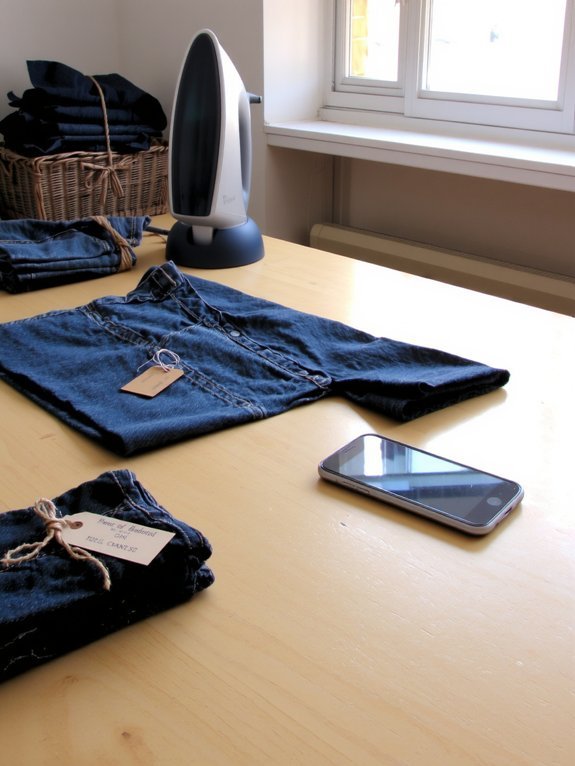
When you want top dollar, don’t wait for miracles—make them happen with a little stitch, a clever bundle, and perfect timing. You’ll learn simple repair techniques, like sewing loose buttons, reattaching hems, and steaming out wrinkles so fabric smells fresh, looks crisp, and photos pop; I promise, buyers notice. Next, try smart bundle strategies: group sizes, styles, or colors, snap a styled flat-lay, and label it “weekend capsule” — people buy stories. Time listings to paydays, seasons, and sales cycles; post cozy knits in fall, sundresses in spring. Price sharply, but leave room to haggle. Be brisk in messages, meet in bright public spots, and bring a smile — you’re selling confidence, not just clothes.
Conclusion
You’re turning clutter into cash, and it feels good — like finding twenty bucks in an old coat pocket. I once sold a vintage tee that smelled faintly of attic dust, listed it, photographed it in golden hour light, and watched it go for $45 within a day. Clean it, price it smart, snap crisp photos, and ship fast. Do that, and you’ll clear space, earn money, and sleep lighter.