Remember how garage bands swore they’d be famous by summer? You’re the workshop version of that—except you’ve got a plan and a laptop. You’ll pick a tight topic, sketch a lean agenda, and practice the demo until your cat stops judging; then you’ll price smart, sell tickets, and actually deliver value that people talk about. Stick around, and I’ll show you how to turn that single live session into steady income.
Why Virtual Workshops Are a Lucrative Opportunity
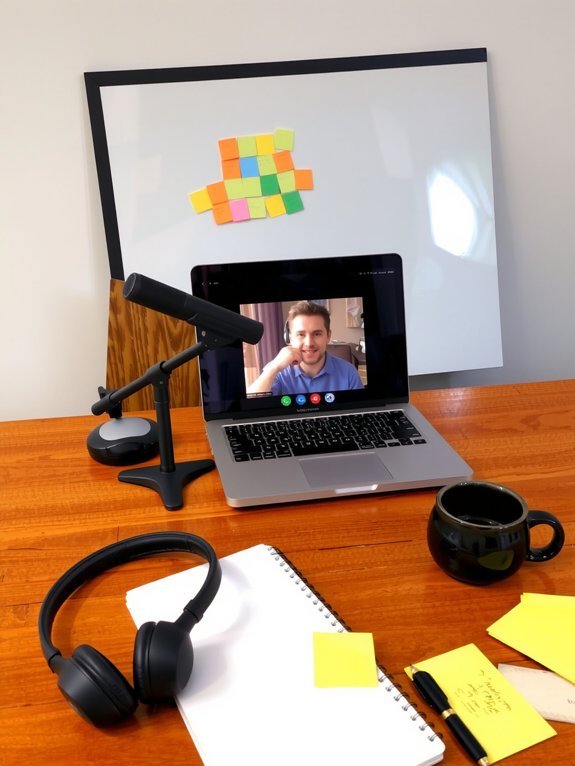
Because you can teach from your kitchen table and still reach people in Tokyo by lunch, virtual workshops are a goldmine waiting for you to claim it. You get instant scale, low overhead, and the thrill of seeing faces light up on a tiny screen. You’ll tap clear market demand, test an idea with a simple signup form, and hear real feedback before you pour money in. Your living room becomes a studio, your laptop a stage; you brew coffee, cue slides, and feel the rush when chat floods with questions. Audience engagement isn’t optional, it’s your secret sauce — polls, hands-on exercises, and laughter. It’s accessible, profitable, and yes, ridiculously satisfying.
Choosing a Profitable Topic and Audience
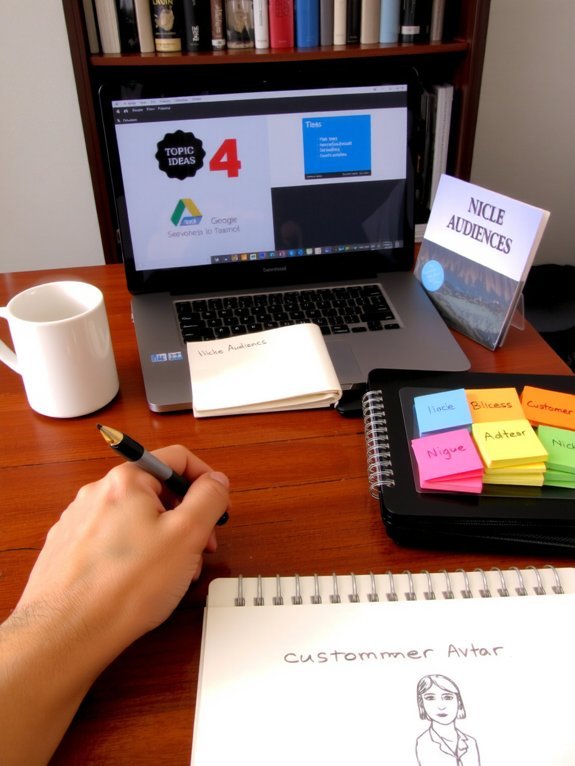
If you want people to actually show up and pay, you’ve got to pick a topic that sings and an audience that’s hungry — not a vague “I like this” topic you hope others will borrow. I tell you straight: start with niche selection, hunt down a small corner where you can dominate. Listen to forums, skim comments, smell demand like coffee in the morning. Talk to potential attendees, ask what keeps them up at 2 a.m., jot exact phrases. Define your target audience—age, job, pain points, preferred platform. Paint a crisp offer they can’t ignore. Test a mini-session, feel the room—even virtually—note reactions. Pivot fast if interest fizzles. You’ll charge confidently when you know who you’re serving, and why they’ll pay.
Designing Engaging Workshop Content and Structure

Once you’ve nailed who you’re talking to, start sculpting the workshop like a short, irresistible movie: set the scene, give them a problem that smells like burnt toast at 3 a.m., then guide them through tight, hands-on scenes that end with applause—even if it’s virtual. You’ll map a clear arc: opening hook, practical middle, satisfying finale. Toss in interactive activities that wake the room—polls, breakout sprints, live builds—so people don’t drift, snore, or doom-scroll. Keep segments short, sensory, and actionable: show, narrate, then make them do it, right now. Cue shifts with voice, visuals, and a laugh. Track participant engagement with quick checks, emerald moments of progress, and micro-commitments that make outcomes feel inevitable and earned.
Pricing Strategies and Revenue Models

You’ve built a workshop that feels like a mini blockbuster, so now you need a box office plan that actually sells tickets. You’ll mix dynamic pricing with value based pricing, tease early bird discounts, and offer tiered packages that smell like obvious upgrades. Try subscription models for recurring fans, bundle offers to boost cart size, or pay what you want for goodwill experiments. Chase corporate partnerships for big checks, and plug affiliate marketing to expand reach.
| Strategy | Perk | Action |
|---|---|---|
| Dynamic pricing | Max revenue | Test demand |
| Tiered packages | Clear choices | Create tiers |
| Subscription models | Recurring | Offer monthly |
| Bundle offers | Higher AOV | Pair items |
| Pay what you want | PR boost | Pilot free day |
Platforms and Tools for Hosting Virtual Workshops
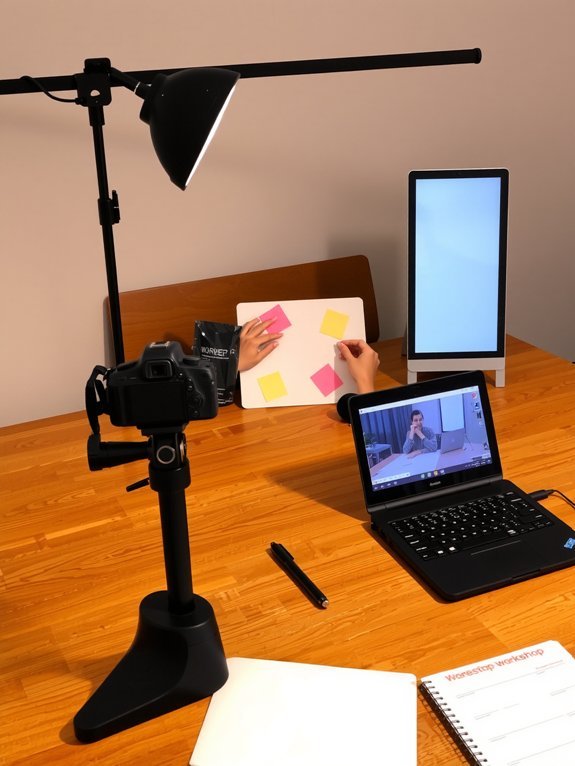
You’ll want a platform that fits your teaching style, audience size, and wallet — I’ve tripped over clunky interfaces and paid for features I never used, so learn from my mistakes. Pick tools for clear audio, crisp screen-sharing, and reliable breakout rooms, then test them like you’re stage-managing a one-person play. I’ll walk you through what each option actually feels like in practice, and you’ll leave knowing which combo makes your workshop shine.
Choosing the Right Platform
If you want people to show up, stay engaged, and actually pay, the platform you pick matters—big time. I want you to think like a picky guest: elegant entry, comfy chairs, clear signs. Check platform features first — polling, screen sharing, breakouts, chat moderation — those are your furniture. Then imagine the user experience: smooth logins, mobile-friendly layouts, audio that doesn’t sound like a robot, and a friendly progress bar that whispers “you’re in.” Try a dry run, taste the latency, poke every button. Don’t overbuy bells you won’t ring. Balance cost with control, and remember, slick tech won’t save a dull workshop, but clunky tech will kill even a brilliant one. Choose wisely, you clever workshop chef.
Essential Hosting Tools
Three things matter most when you host a virtual workshop: clarity, control, and the right toolkit — and I’m going to make you care about all three. You want tools with essential features: reliable streaming, screen sharing, chat, and easy recording. Pick a platform that feels like a tidy studio, not a tangled garage. I like platforms that let you swap slides, spotlight a participant, and pull polls without breaking a sweat. Add third-party tools for interactive elements — whiteboards, breakout timers, and instant quizzes that ping like friendly alarms. Test gear: mic crisp, camera framed, background tidy. Rehearse shifts, cue music, and label files. You’ll sound confident, look put-together, and deliver value people pay for — simple, satisfying, and slightly smug.
Marketing Tactics to Fill Your Sessions
When I first started selling virtual workshops, my inbox echoed with tumbleweeds — crickets chirped so loud I could’ve sold earplugs — but I learned fast that filling a session isn’t magic, it’s marketing muscle. You’ll start by knowing your target audience, sketching personas, picturing their morning coffee, their pain points, the words they use. Use promotional strategies that meet them where they live: upbeat emails, short social reels, a tiny freebie that tastes like value. Speak like a human, not a robot. Test headlines, swap images, track clicks, iterate. Ask past attendees for one-line quotes, shove them into your sign-up page like confetti. Run a cheap ad to warm strangers, invite them to a live Q&A, and close with a clear, friendly call-to-action.
Scaling and Turning Workshops Into Passive Income
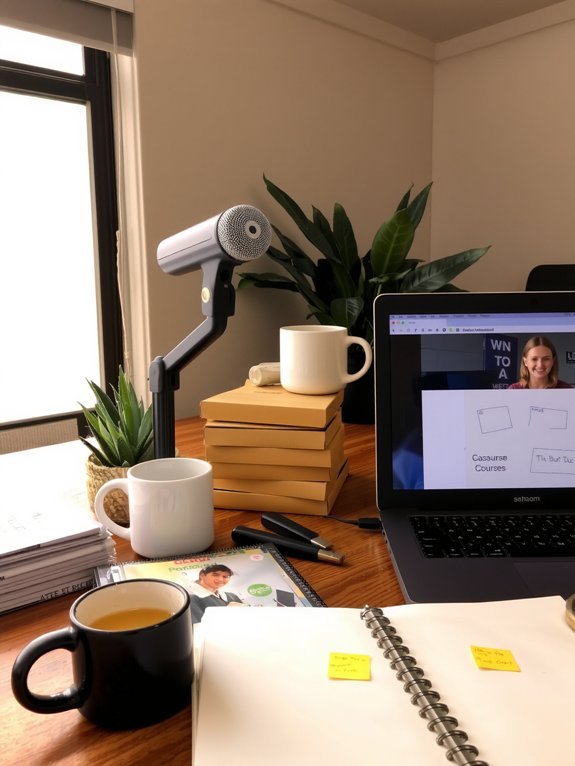
Ready to stop trading hours for dollars? You can turn your workshop into an evergreen course by recording tight, snackable lessons, automate delivery with email funnels and a slick LMS so it runs while you sip coffee, and even license the content to partners who’ll sell it for you (yes, you get a cut). I’ll walk you through the exact steps, no fluff, just the stuff that actually scales.
Create Evergreen Course
If you want your workshops to stop being one-night stands and start paying rent, you’ll need to turn them into an evergreen course that runs on autopilot while you sleep—figuratively, for now. You take your best live lesson, strip the fluff, and package it as evergreen content that learners can binge anytime. I walk you through course creation like a friendly drill sergeant: outline modules, record crisp videos, add worksheets that smell like usefulness, not corporate glue. You test a pilot group, tune pacing, swap awkward jokes, and lock in outcomes. Then you polish branding, set clear learning paths, and price strategically. It’s work up front, passive reward later, and yes, you’ll still pat yourself on the back.
Automate Delivery Systems
You nailed the evergreen course — slick videos, tidy worksheets, a pilot that didn’t make you wince — now let’s make it pay without you playing circus ringmaster every week. Set up delivery scheduling so content drops like clockwork, drip lessons timed, bonus modules revealed, no babysitting required. I like to imagine an invisible butler, sipping tea, sending automated reminders that nudge students back in. Hook your LMS to email, calendar invites, and SMS, test the sequence, listen for friction. Add fallback retries, clear next-step prompts, a progress bar that glows. Track opens, clicks, dropoffs, then tweak. It’s not magic, it’s engineering with personality. You’ll trade frantic livestreams for steady income, and finally buy back Saturdays.
License Workshop Content
When you stop teaching the same material ten times a year, your workshop becomes a product you can license, and licensing is the clever shortcut between hustle and real scale. You package slides, scripts, and exercises, then sell usage rights. You smell the coffee, click export, and hand someone else the stage. Content licensing lets you earn while you sleep, but you’ll need solid workshop agreements — clear scope, duration, and royalties.
| Asset | License Type | Fee |
|---|---|---|
| Slide deck | Non-exclusive | $500 |
| Recorded session | Exclusive | $2,000 |
| Facilitator guide | Royalty share | 10% |
Draft templates, set delivery specs, and insist on quality control. You’re not giving away your voice, you’re renting a polished toolkit, with contracts that keep you paid and respected.
Conclusion
You’ve got this—seriously. Pick the topic people crave, craft a lively session that smells like fresh coffee and clicks, price it smart, and shout about it from your socials (not literally, you’ll get odd looks). Run live, record it, and let automation do the boring parts while you sleep. Scale with evergreen courses or license your materials, and soon your workshops will pay you back like a tiny, loyal ATM—better than ramen nights, I promise.