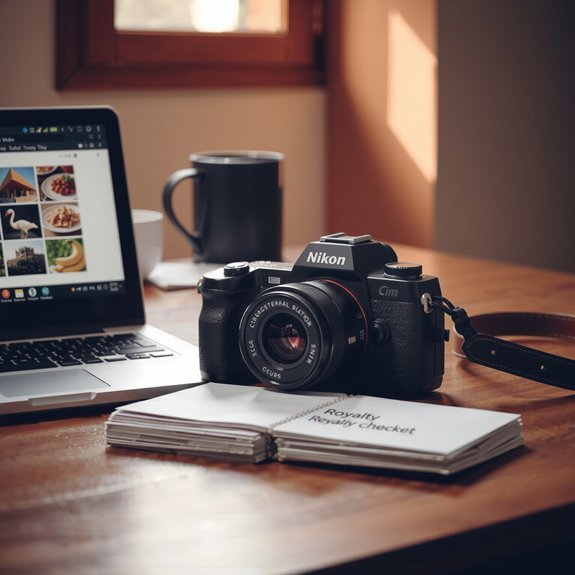
You want images that pay, not just likes, and I’ll show you how to think like a buyer: spot boring-but-needed scenes, shoot clean, bright frames, and tag them so clients can actually find them. You’ll learn what sells, when to get releases, and which sites are worth your time — I’ll also admit my own portfolio mistakes so you don’t repeat them — but first, figure out one niche you can shoot every week and watch what happens next.
Choosing Profitable Stock Photography Niches
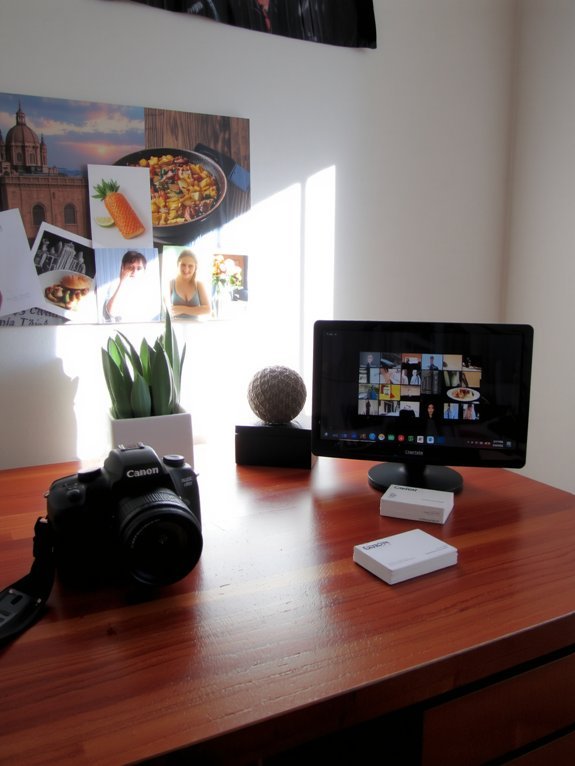
Niche hunting is part science, part nose for opportunity, and I’m here to help you sniff it out—so grab your camera and a cup of something strong. You’ll start with niche research: poke around stock sites, note gaps, and bookmark collections that keep selling. Smell trending topics on social feeds, news sites, and keyword tools; when a theme hums, plan shots that serve it. Don’t chase every fad, pick ones that fit your style, gear, and location. Test small batches, track downloads, and tweak composition and tags like a chef adjusting seasoning. Talk to buyers in comments, read briefs, and adapt. Keep it practical, playful, patient — you’ll learn by doing, not daydreaming.
Shooting and Preparing Images for Commercial Use

You’re about to shoot images that people will pay to use, so get everything legal and look-good-ready before you press the shutter. I’ll show you when to get model and property releases, how to hunt for clean composition and flattering light, and which commercial-use file formats buyers actually want — no mystery, just checklists and a few bad lighting jokes. Roll camera, sign the forms, export the right files, and you’ll stop guessing and start selling.
Model and Property Releases
When I teach photographers about shooting for commercial use, I start with one blunt truth: if a person or recognizable place is in the frame, a release will make or break whether that image ever sells. You’ll get cozy with model release essentials, and you’ll learn property release importance fast, when an editor asks for paperwork mid-deal. Ask, explain, sign—simple. Smile, offer water, hand the release, point to the ID, get a signature. For properties, show the scope, note dates, get owner contact.
| Who | When | Why |
|---|---|---|
| Model | Before shoot | Legal consent |
| Property | Before access | Usage clarity |
| Agent | On-call | Licensing help |
Keep copies, scan immediately, and label files clearly, you’ll thank me later.
Clean Composition and Lighting
Great—paperwork handled, signatures filed, and you’ve still got your sense of humor. Now get picky. Frame tightly, watch image balance, and trim distractions — move a cup, kneel, shift left a hair. I’ll remind you to use leading lines, negative space, and a single clear subject; buyers want instant reads. Light matters more than gear, so chase soft window light, silhouette for drama, or add a reflector for catchlight. Check color harmony, tweak white balance, and avoid clashing tones that shout “amateur.” Feel the texture, hear the click, adjust exposure, and bracket shots like a paranoid pro. Say something snappy to your model, make them laugh, shoot until the moment sings, and file the keepers.
Commercial-Use File Formats
One thing I’ll say up front: file format matters more than ego—more than that fancy lens you bought to impress your ex. You’ll shoot crisp images, but buyers want commercial formats they can actually use, so save TIFF or high-quality JPEGs, keep RAW as your master, and export clean CMYK or RGB copies depending on brief. Read file specifications for each agency, note max file size, bit depth, and color profile. I’ll tell you frankly, nobody loves guessing games; follow specs, and your shot moves from pretty to profitable. Zip folders, include descriptive filenames, and add metadata—keywords, captions, model info—so clients find and license your work. Do this, and your photos start paying rent.
Metadata, Keywording, and Caption Best Practices

Metadata is the secret handshake that gets your photos into buyers’ hands, and you’re going to learn to do it without sounding like a robot. I walk you through keyword optimization and effective tagging, so your images get found, clicked, bought. Start with a clear caption: who, what, where, when, why — simple sensory bits, like “golden sunlight on wet cobblestones, distant laughter.” Then list 8–15 targeted keywords, primary first, synonyms and variations next, separated cleanly. Use nouns, moods, colors, actions. Avoid stuffing junk words, don’t repeat, and prune irrelevant tags. Keep IPTC fields filled—headline, creator, location. Preview search results in the portal, tweak where needed. Do this, and buyers will actually see your work.
Legal Considerations: Releases and Copyright

You’re gonna want signed model and property releases before you upload a face or someone’s living room, no excuses — they’re your safety net when a client gets picky. I’ll walk you through who owns the copyright (hint: it’s usually you, unless you’ve signed it away), and we’ll sort out the difference between royalty-free, rights-managed, and exclusive deals so you know what you’re actually selling. Stick with me, and you’ll stop guessing and start licensing like a pro — paperwork and all.
Model and Property Releases
If you want to sell photos of people or private places without turning your inbox into a legal horror show, you’ll need releases — model releases for folks, property releases for buildings and private interiors — and I’m here to save you the panic. You’ll get clear model consent, signed and dated, describing uses; don’t rely on a handshake or nervous smile. For private locations, secure property rights with a signed property release, note restrictions, and photograph details that prove permission. Carry printed forms, a pen, and your phone for quick timestamps. Below’s a tidy snapshot of choices, so you can pack up and shoot without chewing your nails.
| Subject | Form | Tip |
|---|---|---|
| Person | Model release | Sign before shoot |
| Interior | Property release | Note owner limits |
| Public | N/A | Check local law |
Copyright Ownership Basics
Because I’m boringly obsessed with paperwork, let’s start with the thing everyone pretends they understand but usually don’t: copyright. I tell you this like a friend nudging you at a gallery opening, papers in hand. You own the photos the moment you click, unless you signed them away, so keep that tactile thrill—camera warm, card blinking—in your head. Copyright protects your right to copy, display, and sell, and it’s what stops someone else from swiping your sunrise and selling prints. Watch for copyright infringement, it’s the slow leak that ruins revenue. Don’t skip clear licensing agreements when you sell or syndicate; write terms, note limits, take screenshots, and keep receipts. I’ll nag, because paperwork saves fights later.
Licensing Types Explained
When you sell a photo, think of the license as the little handshake that says what the buyer can and can’t do — firm, specific, and preferably in ink, not just a nod over coffee. I’ll walk you through licensing agreements you’ll meet: exclusive, where one buyer gets the whole party; non‑exclusive, where you keep inviting guests; and rights‑managed, which prices by use, time, and territory. Then there’s royalty‑free, a misnamed favorite that means unlimited use once paid, usually cheaper, less control. Get model and property releases ready, crisp and signed, like receipts for feelings. Watch royalty structures closely, they change your cash flow. Say no when terms strip you, negotiate when they don’t, and always read the fine print, even if you’re sleepy.
Picking the Right Stock Platforms and License Types

Since platforms and licenses shape how your photos earn cash, you’ve got to treat them like teammates — some are reliable marathoners, some sprint and burn out fast, and a few steal your lunch if you’re not careful. I’ll walk you through platform comparison and licensing strategies without the corporate blah. You’ll pick marketplaces that match your style, weigh exclusivity, and choose licenses that protect value without scaring buyers. Smell the click of downloads, feel the tiny cha-ching. Be picky, test two, drop one. Here’s a quick cheat-sheet:
| Platform type | License fit |
|---|---|
| Editorial sites | Rights-managed |
| Microstocks | Royalty-free |
| Niche brokers | Exclusive RM |
| Subscription services | RF with limits |
| Direct sales | Custom licenses |
Marketing, Pricing Strategies, and Scaling Your Portfolio

Alright, you picked good teammates — now let’s get them selling. I’ll walk you through marketing strategies that actually work: tag smart, write crisp captions, email a handful of art directors, and post preview reels so clients smell the vibe — not literally, thank goodness. For pricing techniques, test micro vs. extended, bundle themed shots, and raise prices on proven hits; I nudge rates like a shy auctioneer. Scale by batching shoots, templating metadata, outsourcing editing, and tracking sales daily, that spreadsheet becomes your crystal ball. Say one quick thing to a buyer, follow up with charm, keep your feed tidy, and retire cheesy stock clichés. You’ll learn faster than you expect, stumble less, and earn more.
Conclusion
You’ve got the eye, now sell the view. Treat your camera like a friendly worker bee: shoot sharp, file tight, tag smart, and keep asking buyers what buzzes. Don’t skimp on releases, captions, or platform homework — they’re your safety net and megaphone. I’ll bet a crooked coffee cup you’ll learn fast, stumble less, and start earning. Keep stacking honest images, tweak your keywords, and watch tiny clicks turn into steady green.