
Most people don’t realize companies will pay you to gripe about snacks, apps, and ugly packaging — seriously, they’ll send money for your two cents. I’ll show you how to get into panels, nail screeners, and turn five-minute chats into steady side cash, but first picture your living room turning into a tiny command center: laptop humming, coffee steam, a notepad with scribbles, and you, refusing to be boring — keep going.
What Online Focus Groups Are and How They Pay

Think of online focus groups as living rooms for products—only everyone’s in sweatpants and the snacks are whatever you already had in the pantry. You join from your couch, click a link, and talk about a new cereal box or app icon, while researchers watch notes and record reactions for online research. You’ll describe smells, textures, clicks, and first impressions, and they’ll pay you for honest reactions. Payments vary—gift cards, PayPal, or bank transfers—usually after you complete the session. Participant engagement matters, so you’ll get prompts, polls, and occasional on-the-spot tasks to keep you talking, laughing, even ranting. Be vivid, be honest, don’t overthink it. You’re not auditioning, you’re helping shape stuff people will actually use.
Types of Online Focus Group Formats
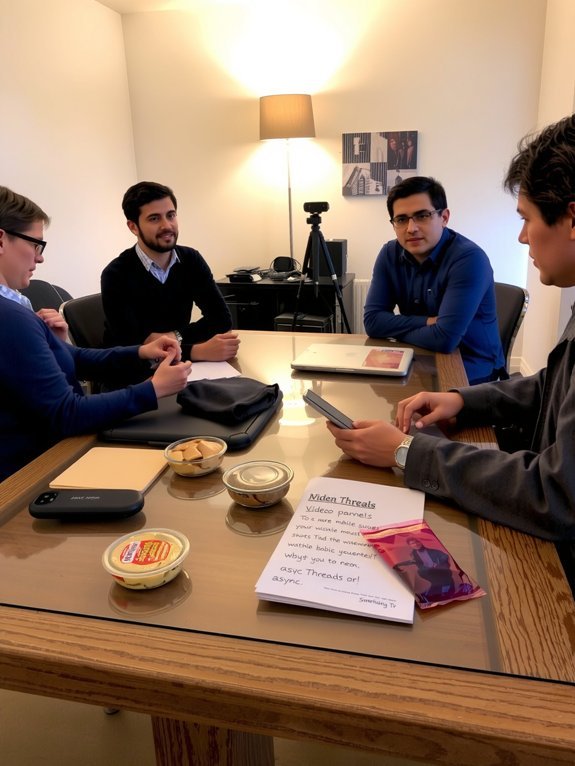
Once you join the research world, you’ll find there’s more than one way to gab for cash — and I’ll walk you through the lineup. You’ll see live video groups, where you hop on camera, toss ideas around, hear real voices, and the moderator nudges for deeper takes; think lively kitchen-table debate, but with breakout rooms. Asynchronous forums let you type answers over days, upload photos, and sleep between thoughts — low pressure, steady pay. Mobile diary studies make you tap quick reactions, record short clips, and capture real moments, great when life’s messy and honest. Across formats, virtual discussions prioritize participant engagement, so show up curious, be specific, and don’t be afraid to be a little weird — researchers love that.
Who Qualifies and How Recruitment Works

You’re usually a fit if your age, job, shopping habits, or hobbies match what a company needs, and yes, that can mean anything from teen gamers to retired gardeners — I’ll admit, I once got screened out for owning too many houseplants. Recruiters find people through social media ads, email lists, market-research panels, and the occasional Craigslist post, they’ll ping you with a short screener survey or a quick phone chat to see if you’re the right match. Stick around, answer honestly, and you’ll either score an invite and cash, or get the tiny sting of rejection and a free lesson in market targeting.
Who Typically Qualifies
If you’ve ever filled out a boring online survey at 2 a.m. and wondered if there’s a better way to make a few bucks, welcome to the world of online focus groups — where recruiters actually want your opinion, not just your click. You’ll usually qualify based on clear demographic criteria — age, location, income, or household makeup — and sometimes on specific experience requirements, like owning a pet, using a product, or having worked in retail. Picture yourself on a webcam, sipping coffee, describing a gadget; you’ll get paid for that. Don’t assume everyone’s eligible, though. Screeners gatekeep tightly. Be honest, answer quickly, and you’ll see invites pop up. I’ve missed some, I’ll admit, but the good ones pay well.
How Recruiters Find Participants
Because they need specific stories, not random clicks, recruiters hunt for people the same way birdwatchers scan a treeline — sharp, patient, and a little obsessed. I tell you this as someone who’s sat behind a screen, sorting responses like treasure maps. You’ll get tagged by participant demographics — age, job, hobbies, income — and sometimes quirks, like being a weekend baker or a commuter who hates podcasts. Recruitment strategies range from targeted ads and email lists to partner panels and social posts. They screen you with quick surveys, phone calls, even video checks. You’ll answer prompts, prove your profile, then wait. It’s efficient, a little theatrical, and yes, you’ll get paid when they call your name.
Where to Find Legitimate Panels and Market Research Companies

I’ll walk you through where to find legit panels and market research companies, and yes, I’ve tripped over a scam or two so you won’t have to. Start with reputable panel directories and top paid platforms I trust, bookmark a handful, then test them with one simple profile setup — you’ll feel the difference fast, like cool water after a long walk. Watch for red flags: requests for upfront fees, vague company info, or payments that never arrive, and if anything smells off, bail and report it.
Reputable Panel Directories
One quick trick I use is bookmarking a handful of reputable panel directories so I don’t end up chasing shady links at midnight — they’re like a farmer’s market for survey gigs: loud, colorful, and occasionally selling things you didn’t ask for. When you visit panel directories, scan for reputable sources, trusted platforms, and clear payout policies, listen to user reviews like a phone whisper, and smell the virtual coffee — fresh, maybe bitter. I poke profiles, read FAQs, and toss out ones with vague contact info. You’ll learn to spot red flags fast: promises that sound too gooey, designs stuck in 2003, or silence after signup. Keep a short list, rotate panels, and treat each entry like a test drive.
Top Paid Platforms
All those bookmarked panel directories are great — like a farmer’s market where you know which stalls won’t serve you mystery marmalade — but now you want actual, paying gigs, not just pretty listings. I’ll walk you through top paid platforms that deliver: Think Respondent, User Interviews, Prolific, and FocusGroup.com — sites that prize clear briefs, timely pay, and good user feedback loops. You sign up, craft a profile, click into studies that match your experience, and show up on camera or in a chat. Some mix paid surveys with longer sessions, others pay premium for niche expertise. I’ll admit, you’ll chase a few dead ends, but get a few solid invites, bank the cash, and your confidence grows. Ready? Let’s plunge into it.
Red Flags to Avoid
When you’re hunting for legit panels, trust your gut—and your eyes—because sketchy offers smell like perfume on a dumpster: flashy, loud, and trying to hide something. I’ll walk you through red flags and warning signs so you don’t get played. Look for vague pay, upfront fees, requests for sensitive info, or pressure to join now. If it feels frantic, step back, breathe, and google the company.
| Red Flag | What it Looks Like | What to Do |
|---|---|---|
| Upfront fee | “Pay to join!” | Run, screenshot, report |
| Vague pay | “Generous rewards” | Ask exact amounts |
| No contact info | Only form | Find socials, reviews |
| Sensitive data | SSN requested | Refuse, verify company |
How to Screen and Qualify for More Studies

If you want to get into more studies, you’ve got to treat screening like an audition — show up sharp, know your lines, and don’t flub the basics. I walk you through simple screening techniques, I teach you to read qualification criteria like a script. Practice honest, punchy answers, keep IDs and demographics tidy, and don’t waffle. Picture filling forms, fingers tapping, breath steady — you sound confident. Use targeted keywords recruiters expect, answer follow-ups fast, and flag scheduling limits up front. I coach you to update profiles, trim contradictions, and rehearse brief, friendly intros. Be reliable, show curiosity, and don’t ghost. You’ll stand out, get callbacks, and laugh about how obvious it all was afterward.
Setting Up Your Tech and Environment for Success

Even though you can join a focus group from your couch in pajamas, you won’t get far looking like a sleepy raccoon on camera — so let’s sort your tech and space like pros. I tell you straight: test your mic, webcam, and internet before the session. A wired connection beats a flaky Wi‑Fi signal, and a cheap clip mic fixes muffled audio fast. For environment preparation, choose a quiet, clutter-free corner, add soft lighting that flatters, close windows, and mute notifications. Sit against a neutral background, not a laundry pile — trust me, you’ll thank me later. Keep a glass of water nearby, headphones on, and a charged phone out of sight. These quick moves make you look polished, confident, and paid-for.
How to Maximize Your Invite Rate

Because recruiters are picky and opportunities move fast, you’ve got to make yourself impossible to overlook — and yes, that starts with the little things. I’ll walk you through quick, concrete invite strategies that make recruiters tap “yes” before their coffee cools. Polish photos, sharpen bios, list recent purchases, and update availability daily. Profile optimization isn’t optional — it’s your billboard.
| Action | Why it works |
|---|---|
| Clear headshot | Human, trustworthy, memorable |
| Short bio | Scan-friendly, highlight fits |
| Relevant tags | Matches screening filters |
| Real availability | Shows you’re reliable |
Be prompt, answer screener questions fully, and don’t ghost follow-ups. Small habits, big invites. You’ll feel smug, and rightly so.
Best Practices During a Focus Group Session

When you join a live focus group, think of it as showtime—bright screen, tiny microphone, and the little thrill of a camera light you can’t quite ignore, so sit up, smile, and act like you mean it. I tell you this because first impressions matter, and you want to be memorable for the right reasons. Keep your space tidy, mute when not speaking, and lean in when others talk. Use active listening: nod, echo key phrases, ask short clarifying questions. Stay on topic, but don’t be robotic—bring personality, a quick joke, a clear example. Manage time, share the air, and respect the moderator. That balance of honesty and polish wins trust, keeps participant engagement high, and earns repeat invites.
How Payments, Incentives, and Taxes Typically Work
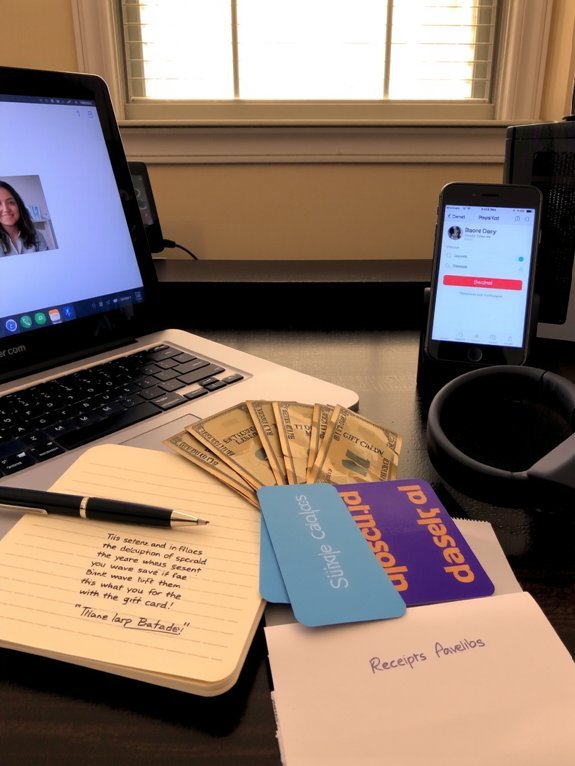
Okay, let’s talk money — the part you actually care about. You’ll get paid in different ways: gift cards, PayPal, bank transfers, or checks. I like PayPal, it’s fast and satisfying, like finding fries at the bottom of the bag. Payment structures vary: per hour, per session, or per task, so read the fine print, don’t assume. Incentives might include bonuses for quick replies, or referral perks that pad your account like extra toppings. Keep records, save screenshots, and stash receipts, because tax implications matter; some platforms send 1099s, some don’t, but you’re responsible for reporting income. I say track everything, file smart, and enjoy the extra cash — responsibly, and with a tiny celebratory dance.
Common Scams to Avoid and How to Verify Legitimacy
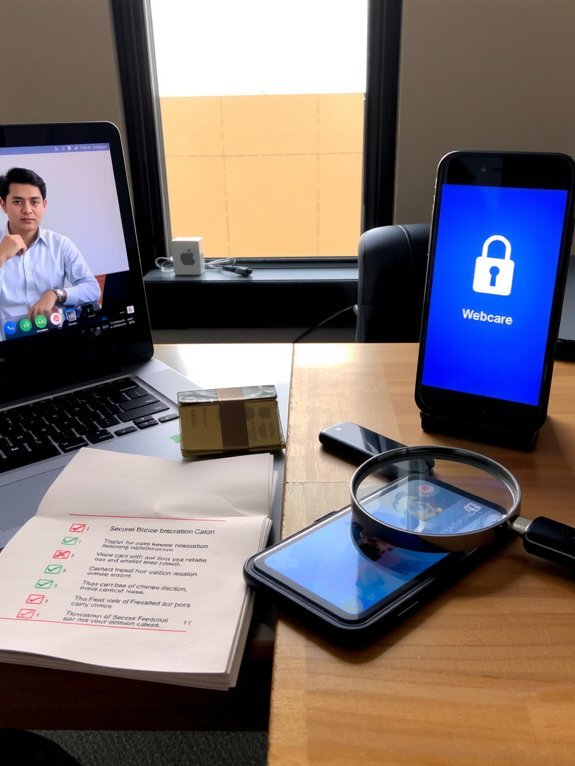
Watch out for anyone asking you to pay upfront—that’s a neon sign for trouble, and you should stamp it out fast. I check company websites, LinkedIn profiles, and past participant reviews, and I even call a listed number to hear a real human voice before I type in my bank info. If something smells off, trust your gut, screenshot everything, and walk away; it’s your time and money, not theirs.
Upfront Payment Requests
If a site asks you to pay or send money before you can join a focus group, don’t blink—walk away, or at least put a hard hand on your wallet and question everything. I say this because upfront payments are a classic scam bait, shiny and stupid-looking. You’ll feel a twinge of hope, maybe a ping of greed. Pause. Listen. Smell the fake urgency. Ask for payment verification, demand clear refund terms, and insist on documented contact details — not some fuzzy email from “researchteam123.” I poke around with Google, I screenshot pages, I call their listed number and watch for evasive answers. If they flinch or dodge, I close the tab. You should too; your cash and sanity will thank you.
Check Company Credentials
Good—now that we’ve sworn off handing cash to mystery panels, let’s make sure you don’t trade one scam for another by joining a fake company that looks legit. Check company credentials like a detective: scan the website for physical address, read privacy policies, and hunt for contact names you can Google. Peek at company reputation on forums and Better Business Bureau pages, don’t trust glittery testimonials alone. Ask about payments, timelines, and ethical practices; if they dodge, walk. I once clicked a “join now” button and nearly fed my bank details to a mime, true story. Call the listed number, screenshot suspicious messages, and use reverse email searches. Trust your gut, but verify with receipts, links, and concrete proof before you type anything sensitive.
Conclusion
So, you’re ready to cash in on your opinions — smart move. Join panels, show up on time, and treat your setup like a tiny movie set: clean background, good mic, no noisy roommates. Fun fact: companies pay about $50 on average per live session, so a few nights can become real pocket money. I’ll say it straight — be reliable, stay skeptical of “too-good” offers, and enjoy getting paid to be interesting.