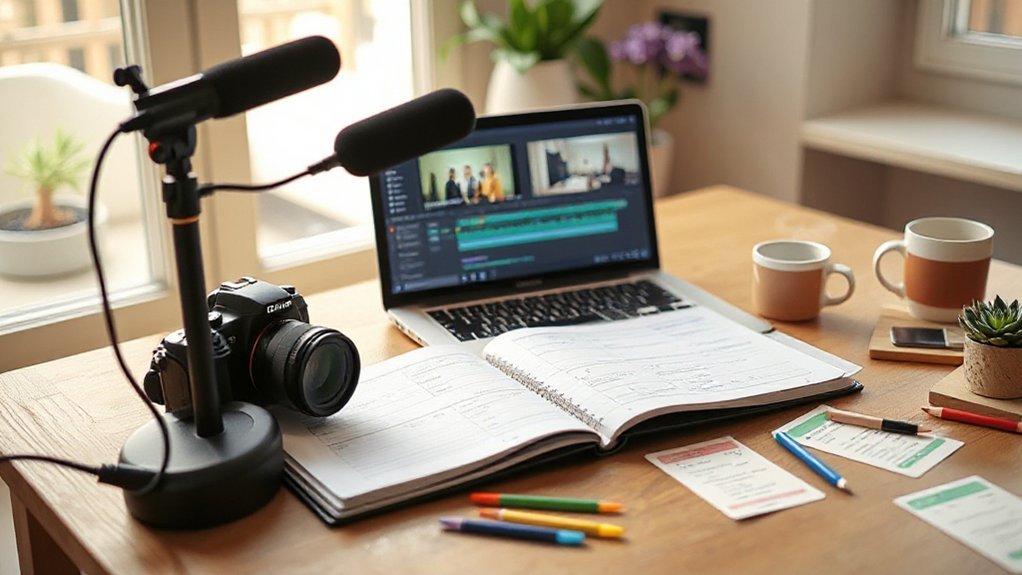
Nearly 70% of companies say virtual events will stay, so you’ve got a steady market humming under your feet. I’ll walk you through how to snag clients, build slick run‑of‑shows, and charge like a pro — no awkward freelancing rites of passage required — you’ll learn to run a flawless webinar while juggling chat, tech, and a presenter who forgot their slides, and then turn that one-off into recurring income, but first you need to pick your niche.
Why Online Event Planning Is a Lucrative Side Hustle

If you’ve ever thrown a party that left people talking for weeks, you’re already closer to this than you think — and yes, I mean you. You spot online trends before your friends do, you tweak playlists until they hum, and you turn awkward silences into belly laughs. I won’t lie, it’s work, but it’s the fun kind: planning, coordinating, hustling from your laptop with coffee breath and a grin. You’ll tap networking opportunities, bond with vendors, and watch referrals multiply like confetti. I promise, the money follows real value—smooth experiences, clever themes, and calm problem-solving when Zoom freezes. You get to sell joy, learn fast, and keep your day job until your side gig decides to buy dinner.
Services to Offer Clients as an Online Event Planner

When you decide to go pro, you’ll sell more than schedules and playlists—you’ll sell calm, spectacle, and the kind of tiny, delightful details people remember (confetti that actually lands, a host who knows everyone’s name, changes that feel like magic). You’ll offer event coordination services, from vendor wrangling to run-of-show scripts, so clients relax, sip champagne, and look like geniuses. You’ll design virtual engagement activities — quizzes, breakout scavenger hunts, live polls — that spark laughter, not crickets. Toss in tech rehearsal, platform setup, and on-the-fly troubleshooting; be the voice in their ear, the calm clicker behind curtains. Package tiers: basic, luxe, panic-stop (my specialty). Sell outcomes: smiles, shares, and zero embarrassing silence.
Defining Your Target Market and Niche

Who are you actually trying to charm—corporate HR teams bored of bland webinars, nonprofit directors juggling budgets and miracles, or weekend warriors who want a wedding that looks like a rom-com on a shoestring? You’ll choose, because trying to please everyone is exhausting and dull. Picture a client, scent of coffee, sticky name tags, you sketching a plan. Define your target audience: age, job, pain points, vibe. Then slice into niche markets: eco-friendly micro-weddings, virtual team retreats with bad karaoke, donor galas that feel human. Test ideas, chat with five prospects, run a mini mock event, note reactions. Say yes to one lane, then own it. The right niche lets you charge more, work less, and love Mondays again.
Essential Tools and Platforms for Virtual Events
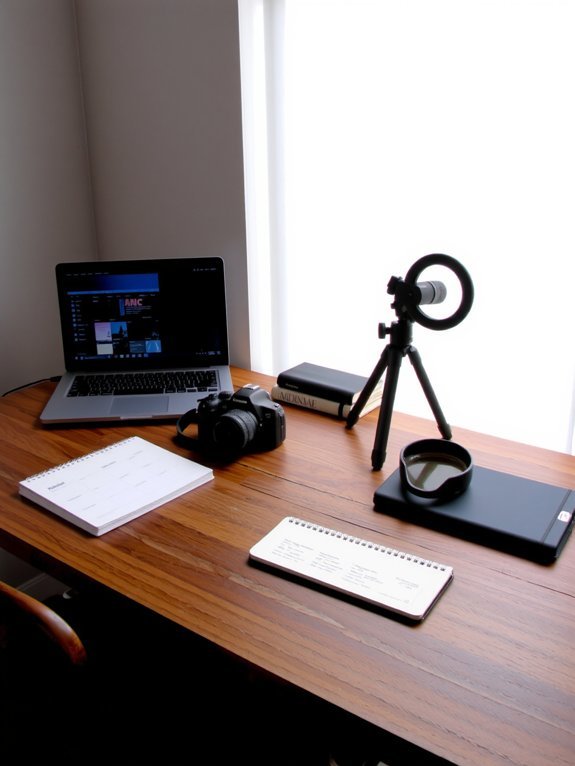
Three things matter more than a fancy logo: your streaming platform, your audience engagement tools, and a payment/registration system that doesn’t make people cry. I’ll say it plain: pick reliable virtual event software that won’t lag when you’ve got 500 people, and test audio until your ears ring. Use audience engagement tools — polls, Q&A, reactions — to keep the chat buzzing, like a café with good coffee and louder laughs.
I coach you to set up backups: a second laptop, wired internet, spare headset. Practice scene changes, cue videos, and drop in a silly icebreaker to loosen faces. Choose integrations that automate tickets, reminders, and access links. Do this, and your events feel smooth, human, and worth paying for.
Pricing Models and How to Charge for Your Work

You’ll want to pick a pricing style that fits your rhythm and the client’s wallet, so let’s talk flat fee versus hourly, and how percentage or markup models change the math. I’ll show you when a flat fee feels like dessert — clean, satisfying — and when hourly keeps you from getting burned, or when taking a percentage or marking up vendors actually pays the bills. Listen, I’ve priced too cheaply before, learned from red-faced nights and frantic invoices, and I’ll help you set rates that smell like confidence, not desperation.
Flat Fee vs. Hourly
Curious which pricing model will actually pay your rent and keep your sanity? You’ll love flat fee benefits when you want predictability, smooth cash flow, and the thrill of quoting a number that makes clients nod. I set clear deliverables, imagine the confetti, sip coffee, and know I’m covered. Hourly challenges show up as creeping calls, tiny edits, and that “one quick thing” that eats your evening. Charge hourly when scope’s fuzzy, you like tracking minutes, or the project is short and sharp. Be honest with clients, use simple contracts, and log work like a hawk — timers, notes, and timestamps. Mix a firm flat fee for scope, hourly for extras, and you’ll sleep better, swear less, and actually enjoy planning.
Percentage and Markup
Money talk: percentage and markup let you get paid for the sweat and the sneaky little wins nobody notices. You’ll take a cut of vendor costs, say 10–20%, or apply markup strategies to bundled services, turning a messy invoice into steady profit. I show you how to run percentage calculations fast, check the math, and tell the client why it’s fair, not sneaky. Picture you at a laptop, fingers smudged with coffee, margin column glowing. You estimate, you add a clean markup, you explain benefits—no awkwardness. Use clear tiers, cap percentages for trust, or set flat markup rates for simplicity. Be honest, precise, a little charming, and never apologize for being paid.
Building a Portfolio and Gathering Testimonials

Once you’ve run a few events, don’t hide those wins under a pile of spreadsheets—show them off like proud, slightly embarrassed trophies. You’ll build a clean gallery of portfolio examples: crisp screenshots, guest counts, decor photos that smell like fresh coffee in the morning, clips of a speaker nailing their punchline. I’ll tell clients the story behind each image, short captions, measurable outcomes—tickets sold, engagement rates. For testimonials, use simple testimonial strategies: ask specific questions, record quick video replies, offer a template so people don’t panic. Chase details, not praise. Pin the best lines, like “saved our sanity,” on your site. Keep it honest, slightly witty, and real; future clients buy trust, not bravado.
Marketing Strategies to Attract Your First Clients

If you want clients knocking on your inbox, you don’t sit and hope—they need to see, hear, and feel what you do. I tell stories, post behind-the-scenes clips, and sprinkle humor into captions so strangers become fans, fast. Use social media like a loud, tasteful megaphone: reels that smell like coffee, photos that show your organized chaos, live Q&A where you answer the awkward questions. Pair that with sharp email marketing—short subject lines, one clear offer, a testimonial quote that hits like a drum. Offer a free mini-consult, a downloadable checklist that looks gorgeous, or a tiny webinar that proves you’re real. Talk to local biz groups, ask past clients for referrals, and follow up. Be persistent, not annoying.
Managing Logistics, Technology, and Run-of-Show
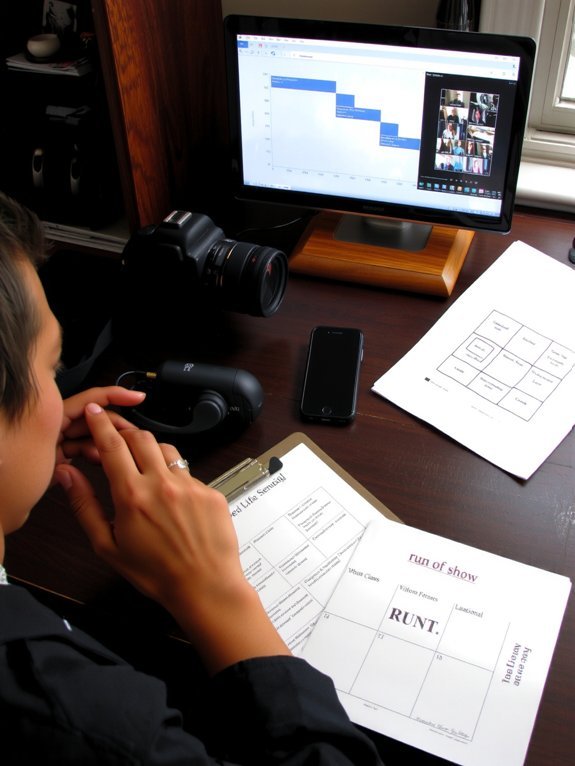
You can shout about your brand all day, but then you’ve got to make the show actually happen—lights, links, and people on cue. You’ll master logistics coordination, map every cue, load every slide, and breathe when the mic works. You’ll rehearse like an overcaffeinated director, call talent, confirm backups, and taste the stress melt when tech cooperates.
| Task | Quick Tip |
|---|---|
| Schedule | Block prep time, not just event time |
| Rehearsal | Run full dress, record playback |
| Backup | Duplicate streams, spare mics |
| Communication | Group chat + call sheet |
You’ll own technology integration, pick reliable platforms, label cables, and narrate the run-of-show with crisp cues—no drama, just applause.
Upselling, Retainers, and Growing Recurring Revenue

You can boost every booking by offering strategic add-ons that feel irresistible — think post-event highlight reels, VIP breakout moderation, or branded swag boxes that smell like victory. I’ll show you how to bundle those into simple monthly retainer packages, so clients stop calling you for one-offs and start paying for steady, predictable support. It’s smart, it’s a little cheeky, and yes, you’ll finally get to charge for the parts you actually enjoy.
Strategic Upsell Offers
Three simple upsells can turn a one-off booking into a steady paycheck, and I’m about to show you how to sell them without sounding slimy. You’ll learn practical upsell techniques, spot juicy event add ons, and pitch them like a pro. Picture yourself scrolling a client form, tapping a checkbox that adds a live Q&A, fancy branding, or a rehearsal run—cash flows, clients breathe easier, you smile. Don’t lecture, suggest: “Want me to handle speaker prep?” Offer timing—during booking, pre-event check-in, and post-event follow-up. Price tiers should feel like choices, not traps. Toss in a small sample, a quick demo, a real result story, and you’ll turn polite interest into yes, without the cringe.
Monthly Retainer Packages
A monthly retainer is your safety net and your secret weapon, and I’ll show you how to make it feel like a welcome subscription rather than a bill collectors’ nightmare. You offer relief, not invoices. Pitch monthly pricing as peace of mind: steady check-ins, priority scheduling, and a fresh checklist every month. Let clients pick levels, then lean into package customization — add vendor outreach, live-run rehearsals, or emergency troubleshooting. Describe textures: the click of calendar invites landing, the breath after a crisis avoided. Say, “You relax, I sweat the details,” with a wink. Start small, prove value, then scale. Keep contracts simple, auto-pay smooth, and celebrate renewals like little victories. Retainers turn chaos into calm, and clients into steady fans.
Troubleshooting Common Virtual Event Challenges

Tech hiccups will try to steal your spotlight, but I’ve learned to treat them like unruly guests—firm, funny, and not invited to stay. You’ll prep backups for virtual platform issues, I’ll mutter the prayers, then we’ll switch servers like pros, while attendees think it was planned. When attendee engagement challenges crop up, you’ll read the room, toss in a poll, call someone by name, and watch eyes refocus. Mic crackle? Mute, reboot, joke about my espresso habit, then bring the energy back. Send clear run sheets, test tech with speakers, and rehearse lighting and sound until it feels normal. Keep a calm voice, an upbeat script, and a secret stash of GIFs. Trust me, chaos becomes choreography.
Conclusion
I’ve seen a virtual gala bloom from awkward silence to standing ovation — like turning a dusty attic into a jazz club in one hour. You can do that. Pick a niche, nail the tech, price smart, upsell, keep clients happy, rinse and repeat. Start small, learn fast, and treat every run-of-show like a recipe you’ll perfect. You’ll build steady income, reputation, and the kind of stories that sell themselves.