
You want your Etsy shop to pay the bills and maybe buy the coffee habit, right? I’ll show you how to research a tight niche, craft listings that actually sell, price for profit, build a brand that feels like you, and smooth out the boring ops stuff—so customers come back. Picture clear photos, smart keywords, and packaging that makes them gasp; stick with me and you’ll trade guesswork for a plan—let’s get to the part where it starts to click.
Research Your Niche and Validate Product Ideas
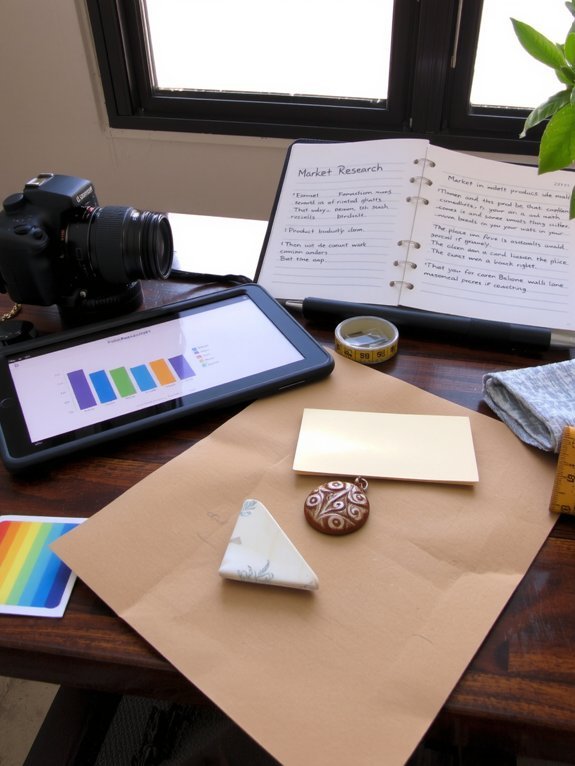
Research is where the fun begins, and yes, it smells faintly of coffee and possibility. You plunge into niche trends, scroll, sniff out patterns, and jot oddball ideas on a napkin. I’ll nudge you: test with tiny batches, photos that pop, tiny promos, and quick polls to friends who’ll pretend they’re honest. Do competitor analysis like a friendly spy—study pricing, shipping, and what makes buyers giddy. Touch the materials, count costs, and imagine packaging that clicks in someone’s hands. You’ll learn fast if people click, cart, and buy. Adjust, repeat, or pivot. You’ll laugh at mistakes later, promise. Treat research like a lab, your shop like a stage, and your first sale like confetti.
Optimize Listings for Search and Conversions
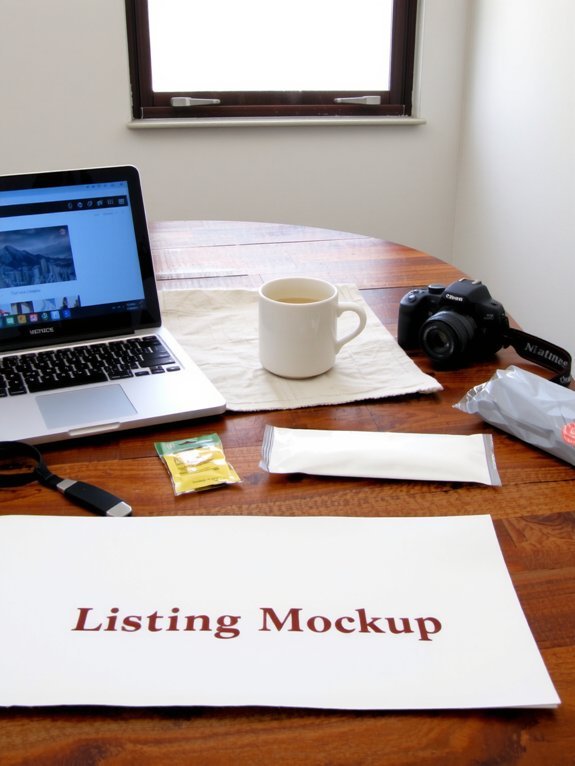
So you’ve tested ideas, watched people click, and celebrated that first confetti-worthy sale — now let’s make sure strangers can actually find your stuff and want it. You’ll do keyword research like a detective, sniffing high-traffic phrases, shop jargon, and buyer intent; jot notes, test combos, swap words, repeat. Then you’ll polish listing optimization: punchy title, clear first sentence, layered tags, and a benefits-first description that smells like fresh coffee and usefulness. Show crisp photos, a simple mockup, and a quick video—let customers hear fabric rustle, see scale, feel confidence. Use bullet points, speedy answers to FAQs, and an irresistible shop announcement. I’ll nag you: tweak, track, and tweak again until traffic turns into steady, grin-worthy orders.
Price Your Products for Profit and Growth
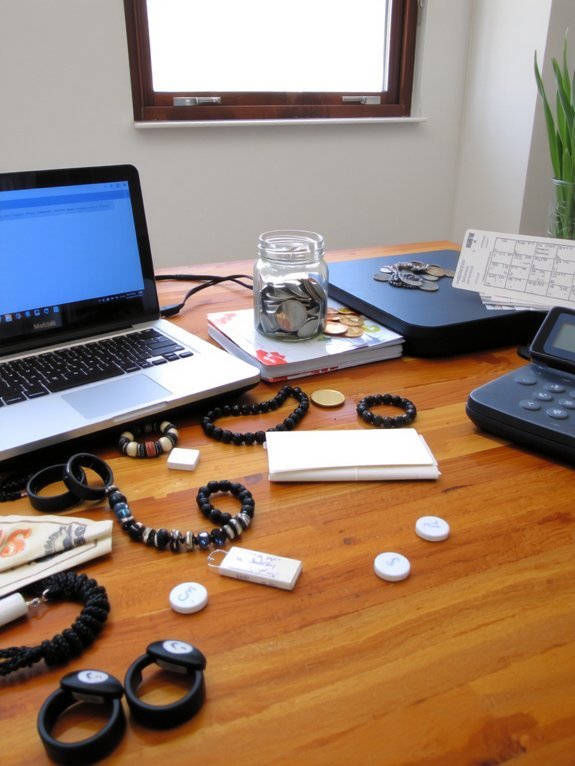
You’ll start by adding up every cost—materials, shipping, fees, even that extra coffee you drank while packaging—so your numbers don’t surprise you. Then you’ll pick a clear profit margin that feels fair, and watch how buyers react when you nudge prices up or down. I’ll cheer you on as you test simple pricing strategies, tweak what works, and drop what doesn’t, like a shopkeeper who finally learned to stop over-discounting.
Calculate All Costs
One clear rule I learned the hard way: don’t guess what a product costs—measure it like you’re weighing gold. I tell you this while sorting receipts at my kitchen table, feeling paper edges and coffee stains, muttering to myself. Count shipping costs, material expenses, and the tiny bits you forget—tape, labels, breath mints for craft fairs. Weigh fabric, count beads, time your cutting and sewing, tick a timer like a bomb squad tech. Add platform fees, packaging, returns buffer. Be brutal, don’t romanticize “handmade.” When numbers bite, they teach. Write them down, spreadsheet, or sticky notes plastered to the fridge. You’ll sleep better, price smarter, and stop losing money with a smile, finally.
Set Clear Profit Margins
Three numbers will decide whether your shop fizzles or flies: cost, margin, and price—memorize them like your coffee order. You’ll do a quick profit analysis, pencil-smudged, calculator clicking, and learn which items hide profit and which bleed it. Set a clear margin target, don’t guess. Aim for margin optimization, then lock it in.
| Item | Target |
|---|---|
| Material | 30% |
| Labor | 20% |
| Fees | 10% |
| Overhead | 15% |
| Profit | 25% |
You’ll taste the math, feel the relief when numbers add up. Speak to customers confidently, price like you value your craft, and watch steady growth follow. I’ll hold you accountable, gently, like a friend with a stopwatch.
Test Pricing Strategies
Now that you’ve got margins nailed like a carpenter with a laser level, it’s time to play with price tags. You’ll test pricing strategies like a scientist in a coffee shop, small experiments, careful notes, and a hopeful grin. Try dynamic pricing for busy seasons, nudge prices up on hot days, drop them for slow Mondays, and watch conversions clack like dominoes. Run simple A/B tests: same listing, two prices, one week each. Do competitor analysis, peek at rival shops, note materials, photos, and shipping—steal ideas, not soul. Track results, feel the numbers under your fingers, adjust. Celebrate small wins, shrug off flops, and keep pricing like a chef seasoning soup—taste, tweak, repeat.
Build a Cohesive Brand and Visual Identity
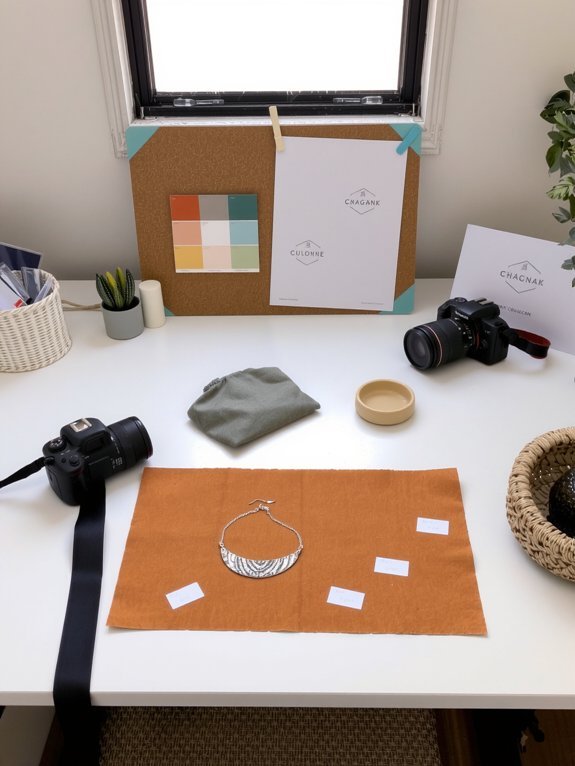
Because shoppers decide in seconds whether your shop feels like home or a thrift-bin mystery, your brand’s look needs to grab attention and then breathe easy—consistent, confident, unmistakable. You’ll pick a palette that smells like your product—warm amber for candles, crisp white for prints—then use it everywhere, that’s brand consistency in action. Sketch a simple logo design that reads tiny on a phone and big on a sticker; I promise you’ll enjoy the tinkering. Use one font family, repeat a pattern, and photograph items on the same surface so your feed feels like a single room. Say witty product captions in your voice, not corporate robot voice. Small choices add up; do them deliberately, and your shop will stop looking like a demo reel.
Improve Customer Experience and Shop Operations
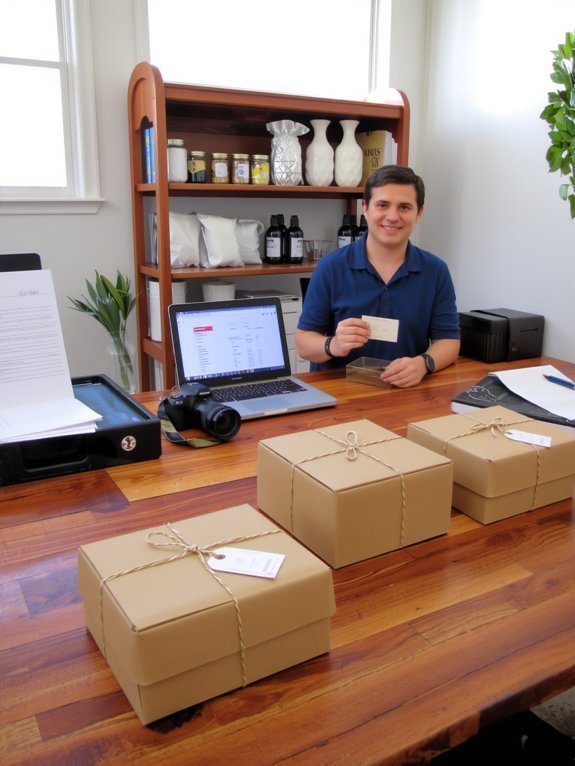
If you want repeat customers, smooth operations are where the magic hides—think less chaos, more cozy predictability. You’ll tidy up listings, set clear processing times, and answer messages fast; customer service is part empathy, part speed, and yes, a dash of charm. You’ll add packaging enhancements—crisp tissue, a thank-you note, and that faint scent of cedar—and watch smiles grow on arrival. You’ll track inventory, streamline supplies, and automate routine replies without sounding robotic.
| Task | Quick Win |
|---|---|
| Messaging | Saved replies |
| Packaging | Branded touches |
| Fulfillment | Batch shipping |
Do this, and your shop will feel like a small, reliable theater: stage set, actors ready, applause inevitable.
Drive Traffic With Marketing and Promotion
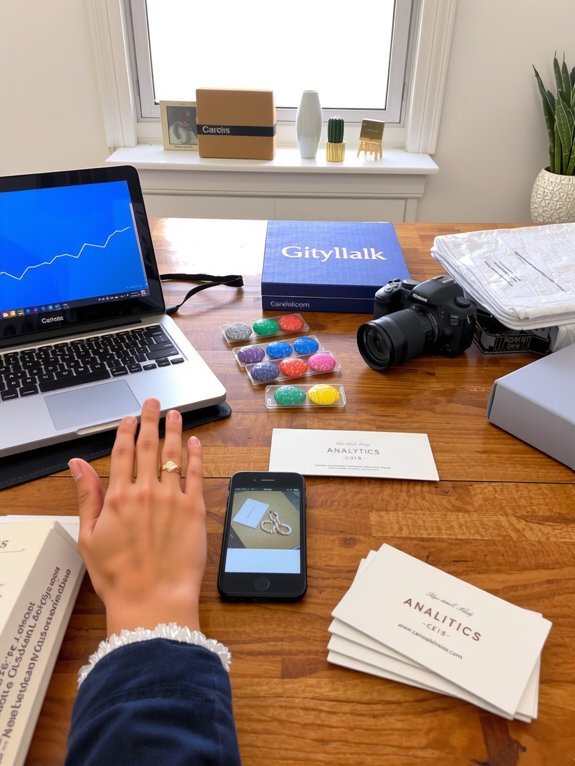
When you treat marketing like a little, loud megaphone for your shop, people start to notice — I speak from the bruised-knuckle school of trial-and-error. You’ll learn to post on social media with tasty photos that smell like fresh coffee, and you’ll test influencer marketing, nervy but effective. Write short email campaigns that feel personal, not spammy. Do content creation—blog posts, how-to reels, behind-the-scenes shots—so buyers feel the craft under their thumbs. Try paid advertising in small doses, track results, then tweak. Run seasonal promotions that glitter, set up affiliate partnerships for wider reach, and lean into community engagement—reply, celebrate customers, join local markets. I mess up a lot, you’ll laugh, but sales climb when you keep showing up.
Conclusion
You’ve got the tools, now get to work — “fortune favors the bold,” right? I’ve walked this path with you, squinting at listings, tweaking photos, tasting victory one sale at a time. Nail your niche, polish your listings, price with guts, and make your shop feel like home. Be kind to customers, streamline your process, and shout about your work. Take action today, learn fast, laugh at mistakes, and keep selling.