You probably don’t know that most FBA “best sellers” started as tiny, ugly prototypes you’d hide in a shoebox; trust me, that’s the fun part. You’ll learn how to spot quiet demand, call suppliers at awkward hours, and craft listings that actually sell, while juggling inventory like a sleep-deprived circus act. I’ll show you the exact steps, the traps, and the small choices that flip a slow month into real profit — but first, pick a niche.
Understanding Amazon FBA and How It Works

If you’ve ever ordered something at midnight and watched it arrive days later like magic, that’s partly Amazon FBA doing its sleight-of-hand — and yes, you can tap into that magic too. I’ll walk you through FBA basics so you see the gears, not just the glitter. You send inventory to Amazon, they store it, pick it, pack it, ship it, and handle returns — like a fulfillment fairy with a clipboard. You still set prices, list products, and handle customer service strategy. Remember Seller fees eat margins, so you’ll watch them like a hawk. It’s hands-on at first, then hands-free-ish. Roll up your sleeves, label boxes, breathe, and enjoy the hum of sales rolling in.
Finding Profitable Products and Niche Research
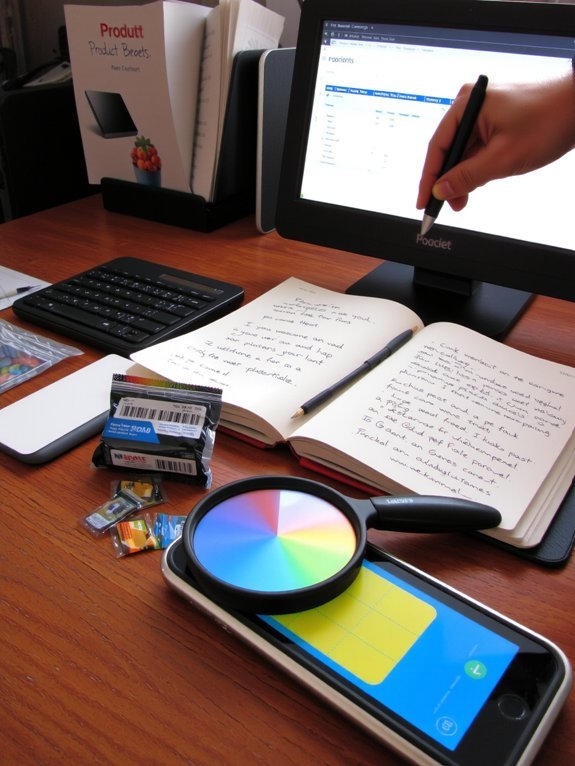
You’ve seen how Amazon handles the heavy lifting, now you’ve got to pick the stuff that actually sells — and no, “pretty” packaging alone won’t cut it. You scan product trends, you sniff out gaps, you imagine a buyer holding your item, feeling the weight, hearing the click of value. I tell you: shop data, read reviews, watch seasonal spikes. Compare niche competition, count active sellers, note weak listings begging for better photos and clearer bullets. Sketch a simple spreadsheet, rank demand and margins, toss out fads that die quick. Talk to customers in comments, mimic their words in your titles. Be ruthless, become curious, test one product small, learn fast, then scale the winners.
Sourcing, Manufacturing, and Supplier Negotiation

Where do you start when you’ve got a promising product idea but no idea who’ll actually make it? You scout suppliers, test samples, and smell the cardboard—yes, really. I’ll walk you through sourcing strategies that cut noise: online directories, trade shows, and factory visits. Ask for MOQ, lead times, and a photo of the production line, don’t be shy. Build supplier relationships with clear contracts, staged payments, and quality checkpoints. Negotiate like you mean it, smile, then push on price and timelines. Get samples, tweak specs, inspect production, and document everything. You’ll feel awkward at first, I did too, then confident—because you’ll know the people, the process, and exactly what lands on Amazon.
Optimizing Listings, Pricing, and Advertising for Sales

Think of your listing like a shop window on a busy street — it’s got to shout “buy me” without sounding desperate. You’ll nail listing optimization by crafting a crisp title, tactile bullets, and photos that smell like sunlight on leather — close-ups, scale shots, lifestyle scenes. Test pricing strategies, don’t guess; try small price swings, watch the buy box, and use psychological pricing that feels fair. Run lean advertising techniques: sponsored products, auto campaigns to mine keywords, manual bids for winners. Track click-through and tweak creatives, then boost winners. Focus hard on sales conversion: clear benefits, fast load, social proof, a bold CTA. I’ll admit, it’s fiddly, but tweak, measure, repeat — and watch sales climb.
Inventory Management, Scaling Strategies, and Risk Management
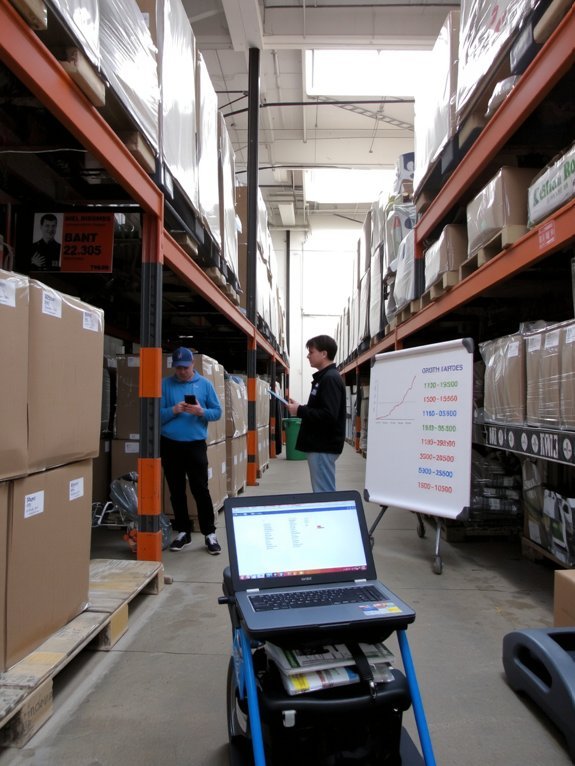
If you want to scale without waking up to a stockout panic at 3 a.m., you’ve got to treat inventory like a living thing — feed it data, not guesswork. I tell you straight: track inventory turnover, watch it like a thermostat. Smell the cardboard, count the boxes, then tweak reorder points. Use demand forecasting tools, not gut feelings; they’ll whisper trends, seasonal spikes, and weird one-off surges. When you scale, split SKUs, stagger shipments, and automate replenishment — less drama, more sleep. Hedge risks: diversify suppliers, insure shipments, and pack buffer stock for surprises. I screw up sometimes, so I build safety nets. Stay vigilant, tweak often, and grow smart — you’ll sleep through shipping day.
Conclusion
You’ve got the map and the compass now, so go hunt treasure—no pirate hat required. I’ve walked the aisles, checked the supplier’s handshake, launched a listing at dawn, and learned from the scarred mistakes (ouch, wrong shipment). You’ll research, negotiate, tweak images, and babysit inventory, feel the rush when sales ping, and sleep better when margins hum. Keep testing, keep asking, and when it pays off, wink at me—we’ll share the spoils.