


Remember how Indiana Jones made treasure-hunting look easy? You can turn your own weird skill into cash on Airbnb Experiences without the fedora — I’ll show you how. Picture guests laughing under string lights, smelling spice from your street-food demo, you guiding them with cheeky confidence, handling bookings like a pro, and quietly padding your bank account; stick around and I’ll walk you through picking ideas, pricing them, and getting people to come back for seconds.
Finding a Profitable Experience Idea

Ever wonder what people will actually pay you to do? You’ll start by sitting down for honest brainstorming sessions, coffee steaming, notebook open, and listing everything you love, hate, and secretly do better than anyone else. I tell you to include smells, textures, sounds—gritty market chatter, sizzling pans, salty breeze—because experiences sell sensory hooks. Match those hooks to your unique skills: maybe you can lead a sunrise photo walk, teach a tiny-plate cooking class, or guide a secret-street-art crawl. Don’t shy from odd combos; weird sells. Picture the guest’s smile, the laugh that breaks awkwardness, the small victory moment you create. Test ideas fast, tweak them, and keep the ones that make both your heart and your wallet skip a beat.
Validating Demand and Researching Competitors

You’ll want to start by checking the market size — count searches, bookings, and local foot traffic to see if people actually want what you’re offering. Then I’ll show you how to audit competitors’ listings, tastes, prices, and guest photos so you can steal their best ideas and avoid their mistakes. It’s part number-crunching, part snooping, and totally worth it if you want bookings instead of tumbleweeds.
Market Size Check
If you want your Airbnb Experience to actually sell, don’t guess—measure. I tell you, numbers are sexy when they pay the rent. Start by hunting Airbnb statistics for your city: search occupancy rates, seasonal demand, and average per-person pricing. Scan market trends, social buzz, and Google search spikes, feel the pulse like a barista judging foam. Count the nights, count the people, convert curiosity into projections. Use simple spreadsheets, plot busy months, mark slow ones in red. Walk local streets, listen to tour groups, smell street food—that’s research with flavor. Estimate reachable customers within a 30–60 minute radius, set conservative uptake rates, then model revenue scenarios. If it adds up, you’ve got a business; if not, tweak.
Competitor Experience Audit
Let’s audit the competition like a curious detective who’s also slightly hungry—because you want evidence, not vibes. I poke through listings, listen to guest reviews, and taste-test descriptions like a budget food critic. You look for competitor strengths — polished photos, clear itineraries, raving hosts — then note competitor weaknesses — vague meeting spots, rushed timelines, stale snacks. Walk the route if you can, smell the market, hear the tour guide’s cadence. Take screenshots, timestamp videos, jot prices, and ask: what’s missing that you can do better? Then build a mini-experiment: tweak a pilot offering, watch bookings, ask blunt questions. You’ll learn faster from data than ego, and you’ll craft an experience people actually pay to rave about.
Targeting the Right Guest Audience
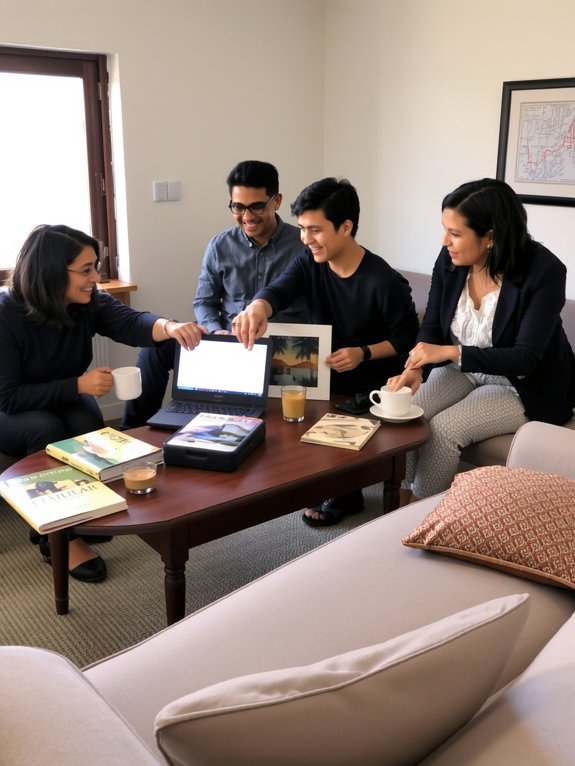
Who are you actually inviting to your experience—party tourists who want shots and neon, slow-food lovers who savor every bite, or curious locals itching to learn a hidden craft? You’ve got to know guest demographics, and you’ve got to map audience preferences. Picture them: backpacks, tastebuds, sketchbooks. Ask questions, skim profiles, read reviews, note ages, languages, travel styles. Then speak their language—photos, tone, price point, timing. Say “no” to trying to please everyone; you’ll end up pleasing no one. Prototype a run, watch faces, listen for gasps or yawns, tweak immediately. Market where they hang—Instagram for visuals, Facebook groups for niche fans, local boards for residents. Targeting right isn’t guesswork, it’s respectful match-making, and yes, it’s profitable.
Designing a Memorable and Deliverable Experience

Designing a standout Experience starts like a first date—you want to show up polished, bring something interesting, and not talk too much about yourself. You pick clear experience themes, so guests know if they’re signing up for food, history, or something delightfully odd. You plan arrival rituals, sensory cues—hot tea, a crisp map, the smell of citrus—and you rehearse your opening line until it feels human. Keep guest interactions lively, guide them, listen more than you lecture, and toss in a playful challenge or two. Build a dependable timeline, map logistics, and have backup weather plans. End with a memorable send-off, a photographed group, or a tiny take-home. Deliverability is your promise; keep it simple, repeatable, and joyfully achievable.
Pricing Strategies for Profitability and Appeal

You’re running an Experience, so you’ve got to know what others charge — peek at nearby listings, note peak-season spikes, and taste-test the market like a nosy neighbor. Then mix in dynamic pricing, adjust rates for weekdays, groups, and last-minute bookings, and watch demand light up or fizzle. I’ll walk you through simple tools and quick calculations so you can price smarter, not harder.
Competitive Market Analysis
Okay, let’s get into the nitty-gritty of pricing without making your head explode: competitive market analysis is your secret microscope for spotting what guests will actually pay, what your neighbors are charging, and where you can sneak in a higher margin without sounding like a scammer. You’ll use competitive analysis techniques, and market trend evaluation, to map prices, perks, and pain points. Walk the neighborhood, taste the free coffee, note vibes, then price smarter.
| Factor | What to check | Quick action |
|---|---|---|
| Competitors | Offerings, hours, extras | Undercut or out-value |
| Trends | Seasonality, reviews | Adjust timing |
| Perks | Unique touches | Highlight boldly |
Dynamic Pricing Models
Alright, now that you’ve sniffed out what competitors charge and where they skimp, let’s talk money that actually moves — dynamic pricing. You’ll watch the calendar, feel the pulse of weekends, festivals, and sudden rainstorms that make people crave cozy indoor classes. I’ll show you simple rules: raise prices for high demand, lower them last-minute to fill seats, bundle extras for perceived value. Use tools for revenue optimization, but don’t worship dashboards — your gut, and guest messages, matter. Test small price shifts, note bookings, tweak. Say something playful in your listing when you drop a deal, people’ll bite. Keep records, learn rhythms, and treat pricing like tuning a guitar: small twists, better music, more tips in your jar.
Creating a High-Converting Airbnb Listing

If you want people swiping right on your Experience, start by writing a listing that feels like a backstage pass, not a dry schedule. I talk to guests like we’re already friends, I show smells, sounds, and small surprises—warm coffee steam, clinking pans, secret city nooks. Use airbnb photography tips: shoot eye-level, golden-hour closeups, candid smiles, a wide shot that tells a story. Write compelling descriptions that answer “why this?” fast, then add a playful line that sells the vibe. Lead with benefits, list what they’ll do, and end with a tiny reassurance—easy meeting point, flexible pace. Keep it short, vivid, honest. If it sounds like you’d want to RSVP, you’ve nailed it.
Handling Booking Logistics and Communication

You’ll want your calendar to sing in harmony, so sync booking platforms and watch double-books vanish like bad magic. Send crisp, pre-experience instructions—think where to meet, what to wear, and a quick “bring water” nudge—so guests show up calm and ready, not asking a dozen questions at the curb. I’ll walk you through quick tech fixes and a sample message that gets everyone smiling, on time, and already excited.
Booking Platform Sync
One rule I swear by: never let bookings live in three different places and expect miracles — they’ll ghost you faster than a bad date. I use booking integration tools to stitch Airbnb, my website, and messaging into one neat ribbon, so I can actually sleep. You’ll see the calendar change, hear the ping, know who’s coming, and smell coffee brewing — small joys. Experience calendar management keeps double-books off the stage, lets you block prep time, and shows buffers between guests. I talk to guests in a single thread, confirm times, and drop quick reminders without sounding robotic. It’s tidy, professional, and oddly satisfying, like a perfectly folded map. Trust me, sync once, relax more, worry less.
Clear Pre-Experience Instructions
Because nothing ruins a great experience faster than a confused guest standing on your stoop asking where to park, I make my pre-experience instructions so clear they practically fold themselves into your pocket. You get a friendly checklist, map pin, photos of the door, and a quick “I’m here” text template. I set participant expectations up front — arrival time, parking, what to wear, what to bring, and allergy notes — so nobody improvises mid-tour. Use bullet-style lines in messages, bold the must-knows, and add a short FAQ for weird questions (yes, someone will ask about bathrooms). Clear communication means fewer delays, calmer guests, and better reviews. Trust me, your future self will thank you.
Ensuring Safety, Accessibility, and Legal Compliance

While keeping guests smiling is the fun part, I’m serious about safety—so I make it obvious from the start what could go wrong and how we’ll stop it, before anyone even laces up their shoes. You’ll see clear safety measures listed, emergency contacts, and a quick demo of gear, so nobody fumbles when the tide or trail surprises us. I follow local legal regulations, I’ve got permits, and I tell you where liability rests, plain as day. I offer accessibility options, like ramps, quieter timings, and sensory-friendly tweaks, because everyone deserves the view. I suggest guest insurance, and I walk you through refunds for weather or injury. You’ll relax faster, trust deeper, and leave glowing reviews.
Marketing Beyond Airbnb to Boost Bookings

If you want more bookings, don’t sit back and wait for Airbnb’s algorithm to smile on you — get noisy, get crafty, and own your neighborhood’s story. I’ll say it plainly: post mouthwatering photos on social media, short clips of smells and sounds, and captions that make people itch to show up. I team up with local businesses, use influencer partnerships for one-off shout-outs, and swap discounted tickets with cafes — that’s local collaborations. I send crisp email marketing with timely offers, not spam. I write blog posts and quick how-tos as content marketing, sprinkle in behind-the-scenes videos, and invite neighbors to pop in for preview nights. Community engagement keeps you front-of-mind, and bookings will follow. Simple, loud, effective.
Scaling and Diversifying Your Experience Offerings
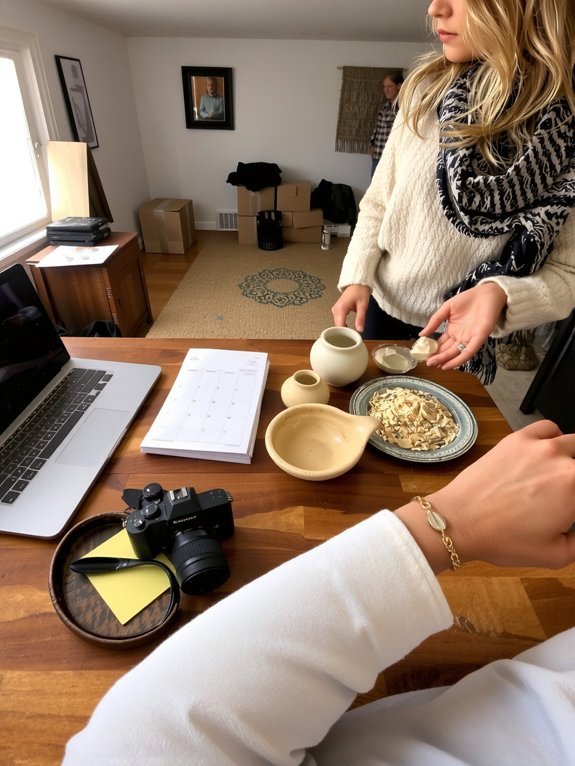
When you’re ready to stop doing the same tour every weekend and actually grow, you’ve got to think like a small-but-scrappy business, not a hobbyist with a nice hat; I learned that the hard way after trying to run five different experiences from one tiny kitchen and nearly setting off the smoke alarm twice. You’ll plan experience expansion deliberately: test one new theme, gather feedback, tweak timing, price it, repeat. Add local partners, move outdoors, buy a proper kit so the smoke alarm forgives you. Activity diversification keeps bookings steady — offer weekday workshops, private sessions, and micro-experiences for travelers on tight schedules. Keep notes, trim failures fast, amplify what guests rave about, and scale with systems, not chaos.
Conclusion
You’re closer than you think. I’ve watched hosts turn a weird hobby into cash, seen sweaty first-timers nail a flawless tour, and watched reservations spike after one clever photo. Do the research, test your idea, price it like you mean business, and obsess over tiny, delightful details—scented candles, a crisp welcome text, a joke that lands. Then breathe. Bookings will come, and when they do, you’ll smile—because you built it.


