Think of tutoring like planting a money tree: you water it with skill, prune with patience, and occasionally talk to it like it listens—because clients do. You’ll pick a niche that actually fits you, build a sharp profile, price smart, and snag students with confident messaging and a free first session that feels like a win. I’ll show you the tools, lesson tricks, and scaling moves that turn casual gigs into steady income, so keep going—
Choosing Your Tutoring Niche
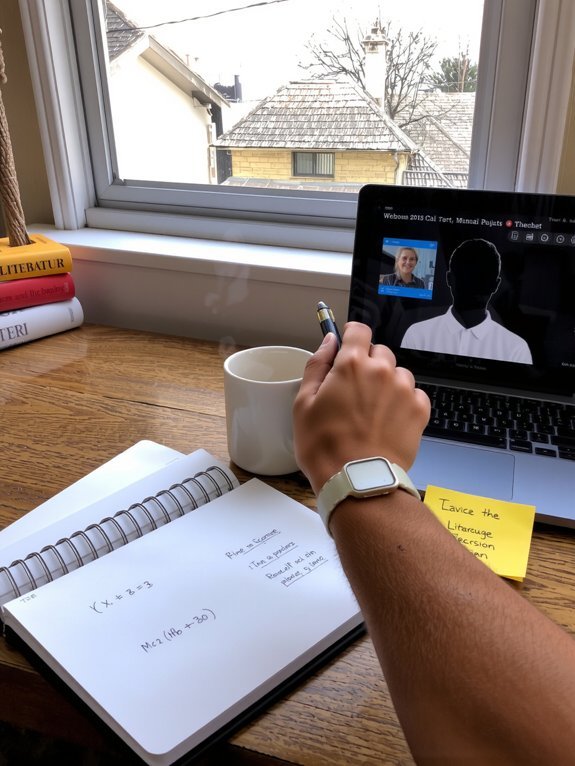
If you’ve ever felt your brain light up teaching one tiny concept while blanking on everything else, you’re already halfway to a niche; I’m that person who gets oddly thrilled explaining fractions with pizza slices. You’ll start by matching subject interest with what you actually love doing, not what sounds impressive. Sit with a notebook, jot topics that make you grin, then imagine students’ faces — confused, relieved, triumphant. Next, peek at market demand: scan listings, note gaps, listen to forums. Combine what excites you with what people pay for. Test with a short free session, smell the chalk (or hear the click), watch which questions spark energy. Keep refining, prune the awkward bits, and claim the corner you do best.
Crafting a Professional Tutor Profile

You’ll want a profile that names your exact subjects — no vague “tutoring available” here, list grades, test prep, and niche topics so students find you fast. Snap a clean, friendly bio photo, think natural light, simple background, smile like you actually like people; I promise it helps more than a wall of text. Put those two together, and you’ll look like the pro you are, not a mysterious homework ghost.
Clear Subject Specialties
When I first set up my tutor profile, I treated “subject” like a genre label on a Spotify playlist—vague, hopeful, and full of duplicates—and wonder why students swiped left; you’re better off being crisp. I tell you this because students search for someone who names the exact problem, not a vibe. List precise subject expertise: “AP Biology cellular respiration” not just “biology.” Offer subtopics, grade levels, and test prep. Show a quick subject assessment option — a 10-minute diagnostic, a problem set, or a short quiz — so they see progress before they commit. Use concrete tags, clear lesson goals, and a sample mini-plan. You’ll sound confident, save time, and attract the right students. Yes, it’s picky. It works.
Professional Bio Photo
One good photo can do more for your profile than a thousand perfect lesson plans. You want clients to trust you at a glance, so aim for professional appearance, crisp image quality, and a friendly vibe. Stand near a window, wear solid colors, smile like you actually enjoy teaching, and don’t forget tidy hair. I’ll admit I once wore a superhero T‑shirt—learn from my mistakes.
| Tip | Why it matters | Quick fix |
|---|---|---|
| Lighting | Shows you clearly | Face natural light |
| Background | Reduces distraction | Plain wall, plant |
| Outfit | Signals trust | Solid, neat clothes |
| Expression | Conveys warmth | Relaxed smile |
| Resolution | Looks polished | Use 1080p or higher |
A sharp bio photo gets clicks. Don’t skip it.
Setting Competitive Prices and Packages

You’ll start by scanning competitors’ listings, noting their subjects, credentials, and price tags so you know what listeners are hearing when they shop. I’ll show you how to turn that intel into clear, tiered packages—quick single sessions, weekly bundles, and VIP plans with extras—so clients can pick what fits their budget and your time. Keep it nimble, price with confidence, and don’t be afraid to tweak after a week of real bookings.
Research Competitor Rates
Start with a quick scavenger hunt: pull up five tutor profiles in your subject, open their rates, and jot them down on a sticky note or the Notes app — now you’ve got a tiny market map. I say that because the tutoring market isn’t mystical, it’s messy data you can read. You’ll do simple competitor analysis: record hourly rates, specialties, experience, and any add-on fees. Feel the clicks, squint at profiles, and smell the virtual coffee. Compare ranges, spot clusters, and mark outliers with a red pen (or emoji). Decide where you fit, not by ego, but by value and demand. That clarity lets you price confidently, attract the right students, and stop second-guessing every booking.
Build Tiered Packages
Three clear tiers make pricing easier to sell and easier for you to deliver, so I like to think of packages like a sandwich: basic bread, a tasty main, and a fancy sauce for the folks willing to pay more. You’ll label each tier with clear package benefits, so clients instantly see value. Start with a lean starter: one session, focused feedback, email follow-up. The mid tier adds weekly lessons, practice drills, and quick progress checks — warm, satisfying, no surprises. The premium tier sparkles: goal planning, recordings, priority booking, babysitting-level attention. Use tiered pricing to steer choices, nudge buyers toward your sweet spot, and avoid endless custom quotes. Price, test, tweak. Listen, adjust, then sell confidently — sell the sandwich, not the recipe.
Finding Students and Building a Client Base
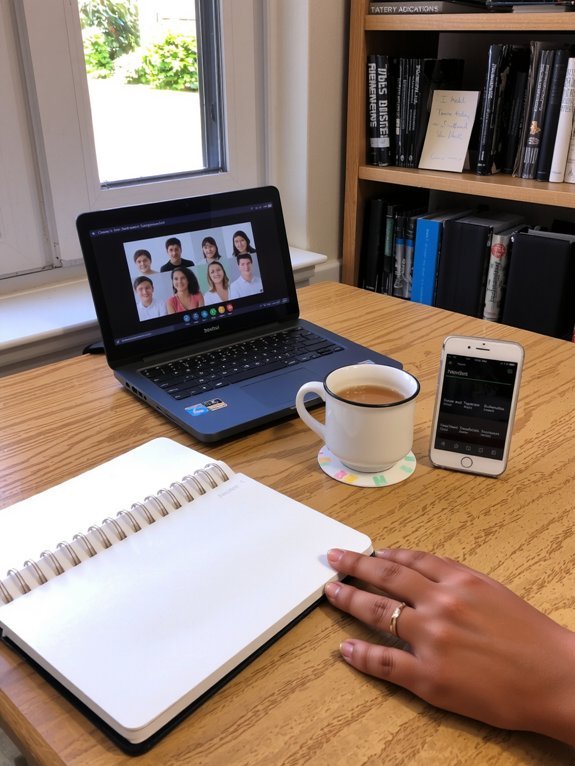
Anyone can find students if they learn to look in the right places and make a little noise about it—I did, after fumbling through awkward messages and one disastrous Zoom where my cat stole the show. You’ll pick a target audience, test marketing strategies, and shout where they listen. Post on neighborhood groups, niche forums, and school boards. Offer a free mini-session, grab attention with a quirky headline, then follow up fast. Track replies, refine your pitch, and celebrate small wins.
| Channel | Action |
|---|---|
| Social media | Post clips, testimonials |
| Marketplaces | Profile, reviews |
| Local groups | Flyers, talks |
| Referrals | Incentives, thank-you notes |
Designing Effective Lesson Plans

You’ve got students now — hooray — but a messy pile of enthusiasm won’t pay the bills unless you plan what to do with it, so let’s talk lesson plans. I keep it simple: clear lesson objectives at the top, one-line targets you can actually check. Then I sketch a warm-up, a core activity, and a wrap-up that proves progress — quick, visual, satisfying. Use props you can describe, tactile examples, or a quick whiteboard sketch; sensory hooks help student engagement fast. I speak plainly, set time limits, and build small wins, so confidence grows and they come back. It’s a mix of structure and improv, like jazz with a map — you lead, they follow, money follows.
Essential Tools and Tech for Online Tutoring

If you want to run sessions that feel slick instead of scattershot, good gear isn’t optional — it’s your stage crew. I’m telling you, start with a crisp headset, a webcam that flatters (not one that makes you look like a potato), and stable Wi‑Fi you can trust like a loyal dog. Pick tutoring platforms that fit your vibe, test screen share, and pin your lesson materials where students can see them. Use video conferencing tools with virtual whiteboards, recording, and mute controls—those features save your sanity. Keep a simple backup: phone hotspot, PDF copies, a spare charger. Light your face, clear your desk, breathe, then teach. Small upgrades make you look professional, calm, and worth every dollar.
Managing Payments, Scheduling, and Policies

Okay, so you’ve got your mic sounding like a radio host and your lighting making you look intentionally photogenic — great. Now lock down payment processing, pick payment methods people actually use, and don’t be vague. Use scheduling tools that sync calendars, send reminders, and stop ghosting clients. Write tutoring policies that are short, stern, and fair; I learned the hard way, yes, you will too. Draft client agreements outlining session length, cancellations, and late fees, then save copies like receipts from a breakup. State refund policies clearly, no gray areas, no drama. Use invoices, automated reminders, and a simple booking page. Run tests, role-play a client, sip coffee, and breathe — you’ve got this.
Scaling Your Tutoring Business

When I decided to stop trading hours for dollars and actually grow this thing, I treated scaling like moving from a cozy kitchenette to a commercial kitchen — louder, messier, and way more profitable if you don’t burn the soufflé. You’ll start with marketing strategies, bright visuals, branding approaches that smell like confidence, not corporate glue. Use online platforms to widen reach, test scaling techniques like group classes, packages, and service diversification so income isn’t a single bell curve. Track growth metrics, tweak relentlessly. Keep client retention high with feedback systems, small perks, and snappy follow-ups. Launch referral programs, chase networking opportunities, hire smart help when it hurts. It’s messy, fun, and doable — you’ll learn to love the heat.
Conclusion
You’ve built something real—like a cozy desk lamp glowing at midnight, papers spread, coffee cooling. Keep your niche sharp, your profile tidy, and your lessons snackable. I’ll cheer as you price smart, chase students, tweak plans, and click “confirm” on payments. Don’t fear small steps; they pile into a mountain. You’ll stumble, laugh, fix it, and grow. Tutoring can feel like magic and math—both practical, both miraculous. Now go teach.