
You think Poshmark’s just for decluttering, not cash — I get it, I used to too — but you can actually build a steady side income if you treat it like a tiny shop, not a garage sale. Picture crisp photos on a clean table, a snappy title that hooks, bundle discounts that make buyers grin, and fast replies that feel human; do those things, and listings start moving. I’ll show you the exact steps that turn clutter into consistent profit, starting with what to sell…
Choosing What to Sell: Spotting High-Value and Fast-Moving Items
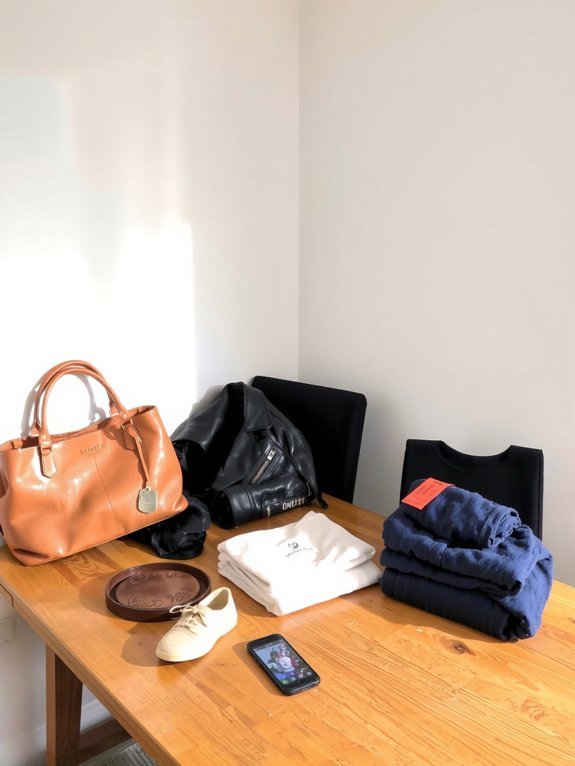
Where do you start when your closet looks like a thrift store collided with a fast-fashion sale? You pull everything out, feel the fabric—silk whispers, denim thumps—and sort into piles: designer, basics, stained rejects. Think like a buyer, not a hoarder. Check labels, research recent resale prices for trending fashion, and weigh condition against demand. Seasonal items sell faster; flip swimwear in spring, coats in fall. Snapnotes: zippers work, hems intact, no perfume ghosts. If it’s a cult brand or limited run, price boldly; if it’s mass-produced, bundle. Talk to your phone like it’s an accomplice, “This could go.” You’ll learn quick, trust instincts, and laugh at your past impulse buys—then make cash from them.
Preparing and Photographing Listings That Convert
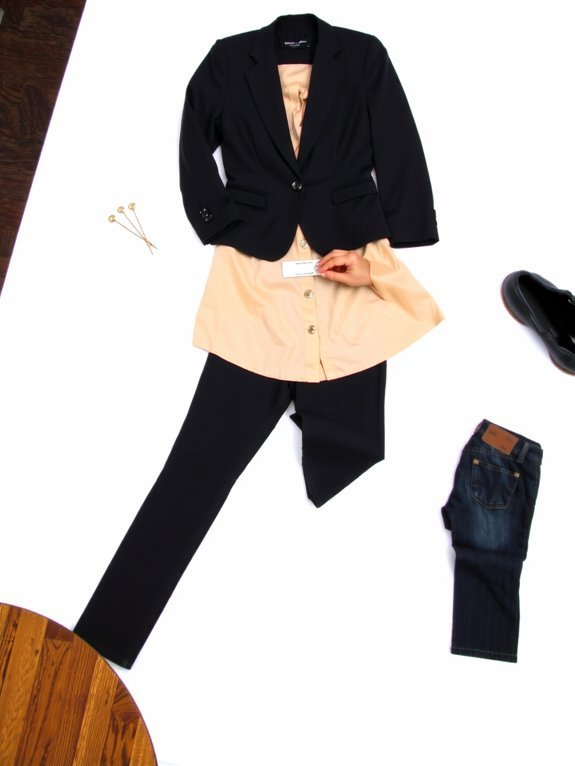
You’ll want to wash, steam, and style each piece like it’s headed to a magazine shoot — no lint, no wrinkles, fold or hang so the silhouette sings. I shoot near a window for bright, consistent light, use a clean background so colors pop, and take a few close-ups of tags and stitching (buyers love proof). Trust me, a tidy item and crisp photos sell faster than a clever caption, and you’ll thank me when offers start dinging.
Clean and Style Items
If you want folks to tap “Buy” before they’ve even met your listing, start by treating each piece like it’s auditioning for a close-up—clean it, steam it, and style it so it sings. I roll up my sleeves, use spot-cleaning techniques, gentle detergents, and a steamer that huffs out wrinkles like a small, polite dragon. You’ll smell fresh cotton, see crisp seams, notice the pop of color. I talk through styling tips aloud, pairing shoes, belts, and a scarf like I’m directing a tiny fashion show in my living room—cue dramatic pose, cue awkward cat cameo. Be honest about wear, tuck-in loose threads, press collars. Small fixes boost perceived value. Do this, and listings stop whispering and start commanding attention.
Bright, Consistent Photos
You’ve already made the shirt smell like sunshine and smoothed out the last wrinkle — now make it look irresistible on screen. You set it on a clean white backdrop, step back, and watch the fabric catch the light. Natural lighting is your best friend, so shoot near a window, flip the sleeves, angle the collar, and snap from three useful perspectives: flat lay, hanger, and a close-up of labels or texture. Keep the background consistent across listings, it builds trust. Do light photo editing to crop, straighten, and nudge exposure, but don’t overdo filters — buyers want true color. Tell a tiny story in the caption, toss in a witty line, and let clean, bright photos do most of the selling for you.
Pricing Strategies to Sell Quickly and Maximize Profit
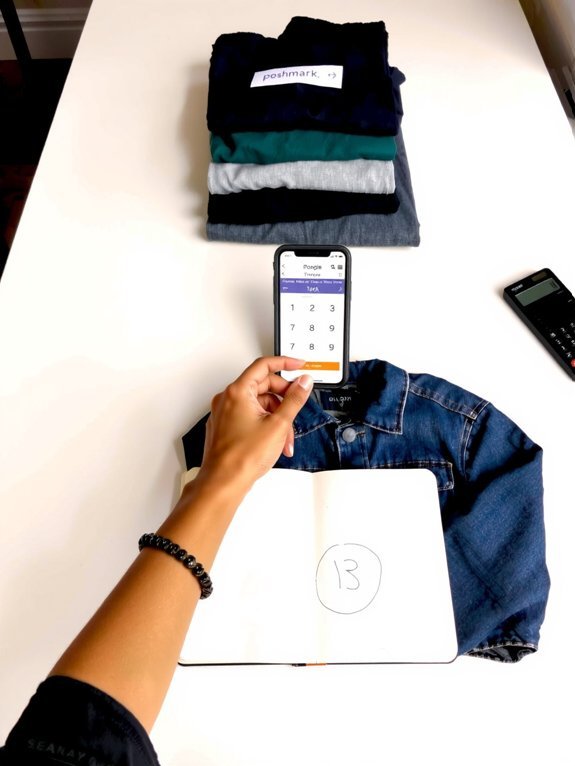
Because pricing isn’t magic, it’s a conversation—you set the tone, the buyer replies with a heart, then a purchase if you played your cards right. You watch listings, tweak numbers, and listen. Start with competitive analysis: scan similar items, note average sell prices, and mark outliers that flop. Use dynamic pricing—drop a bit after a few views, raise when interest spikes—you’re steering demand, not guessing. Offer rounded prices that feel fair, toss in occasional bundle discounts, and don’t be sentimental about that worn tee. Test quick sales with slightly lower tags, protect profit on rare finds. Track what sells fast, what sits, and adjust. You’ll learn the rhythm, trade ego for data, and enjoy cleaner pockets.
Writing Compelling Descriptions and Using Keywords

While I don’t promise magic, I do promise words that sell—so let’s make your listing sing and not snooze. You describe fabric, color, scent of thrift, the weight of denim in your hands, tiny button details, and you do it fast. Do keyword research like a detective, pick terms buyers type, sprinkle them naturally in title and bullets. Use persuasive language, but don’t lie; show how it feels to wear it, where it goes, who it flatters. Start with a one-line hook, follow with honest condition notes, then care instructions. Be conversational, add a quirky line—“yes, these jeans survived karaoke”—and end with size specifics and shipping promise. Clear, vivid, confident copy converts.
Using Poshmark Tools and Social Features to Boost Visibility

You’ve got to play the Poshmark social game, so start by sharing other closets and following sellers you admire — it’s like waving at neighbors, but with better outfits. Jump into Poshmark Parties, toss a few of your best listings into the mix, and watch traffic pop like popcorn; I’ll admit, I cheer a little when a bundle shows up. Do this regularly, keep it friendly and a bit cheeky, and you’ll turn casual scrollers into buyers.
Share and Follow
A handful of smart shares and a quick follow can flip your Poshmark closet from crickets to customers overnight. I tell you, social engagement is the grease that gets listings moving, so share your best shots, tap “follow” on active sellers, and say something real in comments — not just emojis, unless you’re charming. Picture fresh photos, the click of a share, a notification ding. I follow back the nice folks, they check my feed, sales happen. Use “Share to Followers” daily, rotate items, and follow users who love your niche; that’s community building in motion. Be polite, show personality, and don’t be shy about resharing evergreen pieces, you’ll get noticed.
Poshmark Parties
If you jump into a Poshmark Party with the same energy you bring to Friday-night snacks, you’ll see why these pop-up rooms are basically sales on caffeine — buzzing, bright, and loud with shoppers. You’ll want to show up, quickly, and look sharp. Use Poshmark events to drop your best items into themed rooms, follow Party themes, and pin listings right when the host calls for shares. I talk to buyers like neighbors at a block party, playful but direct, and I invite them to peek, ask, buy. Snap crisp photos, write short, punchy descriptions, and comment “❤” or “Loved!” to enlist attention. It’s social, it’s timed, and when you play it smart, your closet hums with sales.
Streamlining Packaging, Shipping, and Customer Service
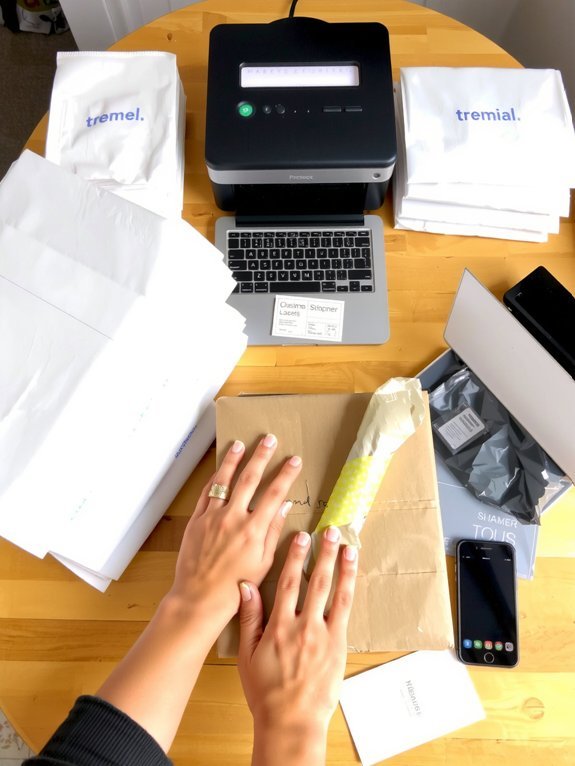
When orders start pinging your phone like a tiny jubilant drumline, don’t panic — breathe in, grab your tape, and let’s make this tidy. You’ll set out packaging materials neatly: tissue, poly mailers, branded tape, a sticker that says thanks (yes, people notice). Choose shipping options that balance speed and cost, print labels in bulk, and stash a scale by the door. Talk to buyers early, keep customer communication warm and brief, and reply like you mean it. State clear return policies so surprises don’t sting. Pack with care, snap a photo, and send tracking — it’s truth serum for worried shoppers. Smile, make packing rhythmic, and remember: neat boxes, fewer headaches, happier feedback.
Growing Repeat Business and Scaling Your Poshmark Side Hustle
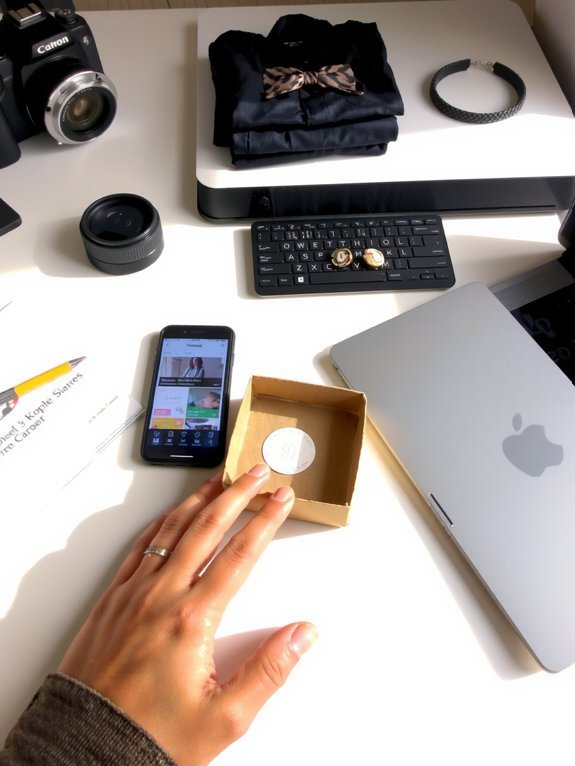
Once you’ve nailed packing and shipping, you’ll want buyers coming back like loyal regulars to your favorite coffee shop—same order, same grin, slightly better tip. I tell you straight: focus on customer loyalty with quick replies, handwritten thank-you notes, and surprise discount codes tucked into boxes. You build trust by being consistent, by photographing items under warm light so colors pop, by tagging sizes clearly, by replying with personality not templates. Brand building isn’t frill, it’s your storefront voice — the fonts, the signature scent, the cheeky packing slip line that makes people smile. Track repeat buyers, offer bundles, run a seasonal restock party. Scale gradually: hire help, batch tasks, automate where it frees time, and celebrate the small wins.
Conclusion
You can do this. I’ve watched closets turn trash into tiny fortunes, felt the thrill of a sold-notification like a slot machine ping, smelled the cardboard and packing tape, and I promise it’s not magic — it’s strategy. Pick items that zing, photograph like a pro, price with guts, and chat like a human. Do that, rinse, repeat, and you’ll have buyers coming back like caffeine addicts — happier, richer, and oddly proud.