You find an old Nintendo tucked behind a box of holiday lights and think, wait—this could pay rent. You’ll learn to spot stuff people want, check sold prices like a treasure-hunter with a spreadsheet, and craft photos and descriptions that actually sell; I’ll show the shortcuts that save time and stop returns, too. Stick around — once you know how to list like a pro, shipping and profits start to feel suspiciously easy.
Choosing What to Sell: Finding Profitable Items

If you want to make money on eBay, start by pretending you’re a treasure hunter in your own house—I’m serious, get down on your knees, open that closet, and sniff for nostalgia. I tell you, you’ll find odd socks, a cassette tape, maybe your high school jacket—those are clues. You’ll practice niche selection like a pro, picking a cozy corner of the market that fits your taste and patience. Don’t overreach. Touch items, smell the fabric, test zippers, imagine a stranger loving this relic. Item sourcing isn’t mystical; it’s patient hunting at yard sales, thrift stores, and grandma’s attic. You’ll learn to spot small flaws you can fix, and pieces worth photographing like they’re celebrities.
Researching Prices and Demand
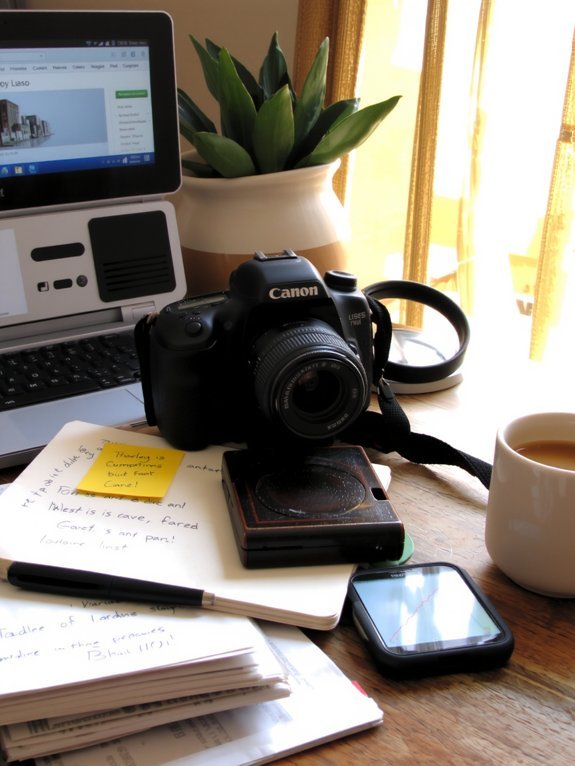
You’ve dug up the vintage jacket and that lonely cassette—good haul—but now you’ve got to figure what people will actually pay for it. Start by doing quick price comparison: search completed listings, note sold prices, jot condition notes, and smell the fabric like a detective (yes, really). Then run demand analysis: check how often items sell, watch watchers count, and peek at similar active listings. Don’t guess. Use filters, sort by sold, and screenshot rare matches. If shipping spikes or seasonal trends pop, factor them in. You’ll learn sweet spots where buyers bite, and where you’d cry into unsold boxes. I do this every time, like ritual coffee, because numbers save you from wishful thinking.
Creating Listings That Convert

Because buyers decide in seconds, your listing has to hit like a good first line — clear, confident, and impossible to scroll past. You’ll start by taking clean shots, bright light, neutral background; product photography tips matter, so zoom in on texture, show flaws, include scale for size — don’t guess, show. Then write compelling descriptions that answer questions before they’re asked: condition, dimensions, materials, brand history, and why this item will make their life better. Use short bullets, one or two playful lines, and a clear call-to-action. I like to imagine the buyer nodding, smiling, clicking “Buy it now.” Be honest, be specific, and proofread — typos kill trust. Good listings sell themselves.
Shipping, Packaging, and Handling Best Practices

You nailed the photos and copy, and now comes the part that actually gets the buyer their new treasure without it arriving like a sad, squashed souvenir. You pack like a tiny art conservator, wrapping corners with bubble, padding gaps with crinkled paper, choosing shipping materials that match the item’s fragility. Tape seams twice, shake the box—if anything rattles, add more cushion. Measure, weigh, and photograph the packed item before sealing, for peace of mind and proof. Be upfront about handling fees if you need time or special prep, explain them in the listing so buyers don’t grumble. Drop shipments at the post, schedule pickups, print labels neatly. Write clear addresses, trim excess tape, and breathe: your package now looks pro, safe, and ready to arrive smiling.
Managing Customer Service and Returns

You’ll want a clear return policy posted where buyers can’t miss it, like a neon sign over the checkout (I’m joking, but make it obvious). Answer messages fast, within a day or less, so buyers feel heard and you avoid escalation. When disputes pop up, stay calm, explain steps plainly, and offer fair fixes — you’ll keep ratings up and headaches down.
Clear Return Policy
If buyers are going to trust my listings, I make my return policy impossible to misunderstand—short, bold, and sitting where they’ll actually see it. I tell people exactly what to expect: days they’ve got, who pays shipping, and the condition returns must be in. That clear return policy shapes customer expectations, so you avoid late-night panic texts and mystery complaints. I use plain language, a pinch of humor, and a tidy bullet-like line right under the price, so shoppers don’t squint. When a box arrives damaged, you’ll know what to ask for, when to refund, and when to offer a discount instead. Clear rules save time, preserve ratings, and keep repeat buyers coming back, smiling.
Fast Response Times
A clear return policy gets us off to a calm start, but fast replies keep the peace when things go sideways. I tell you this because buyers hate silence, they imagine worst-case scenarios, and you look better when you answer fast. Use fast communication: short, kind messages, photo requests, shipping updates. Say what you’ll do, then do it. Timely responses stop small issues from ballooning, and they earn five-star feedback like magic. Keep canned replies ready, but personalize them—no robot tones. Ping notifications on, coffee nearby, fingers poised. When a return starts, confirm receipt, inspect, and refund or replace quickly, narrating each step. Calm voice, clear actions, and speed transform complaints into compliments, trust into repeat customers.
Handle Disputes Professionally
When a customer storms in with a complaint, don’t duck—lean in, breathe, and start talking like you actually care. You’ll use calm words, a steady tone, and clear communication strategies that defuse heat. Listen, repeat the issue, then offer solutions.
| Step | Action |
|---|---|
| Hear | Let them talk, nod, smell the coffee, stay present |
| Offer | Refund, replacement, or discount — pick practical options |
| Close | Confirm next steps, give timelines, smile (yes, you can hear it) |
You’ll document everything for dispute resolution, keep messages polite, and set return rules up front. Think of each return as choreography: precise moves, no drama, and you’ll walk offstage with your reputation intact.
Scaling Up: Inventory, Tools, and Automation
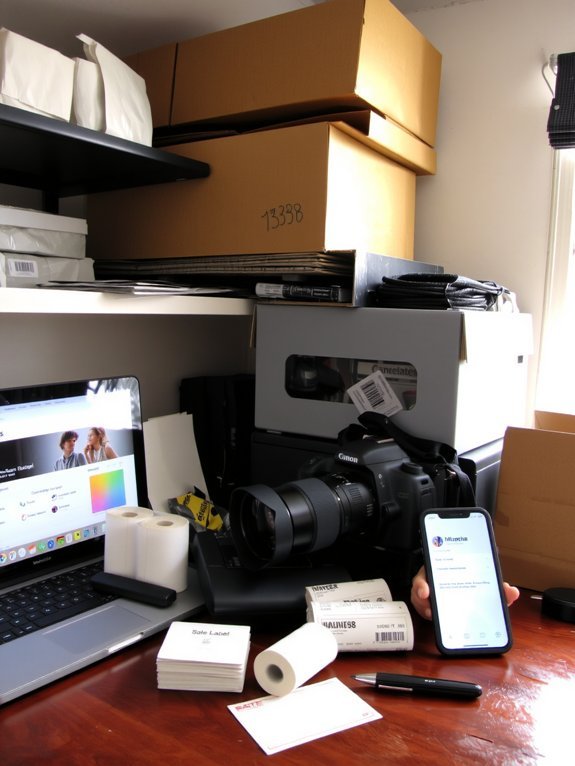
You’re ready to stop selling one-off treasures and start buying pallets, bulk lots, and steady sources, so I’ll walk you to the flea market, the clearance rack, and the wholesaler like a bargain-hunting sherpa. Use listing tools that paste photos and copy, batch edit prices, and spit out labels while you sip coffee and pretend you’re still relaxed. Then automate the boring stuff—messages, relists, tax reports—so you only get your hands dirty with the fun flippery.
Sourcing Larger Inventory
Since you’re ready to stop hunting single items and actually scale, let me walk you through how to flood your eBay listings without turning your garage into an episode of hoarders; I’ll show you where to find reliable stock, how to buy in bulk without getting scammed, and which simple systems keep things moving so you don’t drown in boxes. You’ll scout thrift store palettes, liquidation lots, and clearance racks, smell stale cardboard, feel the heft of a good find, bargain like it’s performance art. Bulk buying saves time and margin, but you’ll inspect samples first, ask for invoices, and set reorder rules. Use clear bins, numbered shelves, and a basic spreadsheet for inventory management. Start small, test styles, scale what sells, laugh at mistakes.
Listing Efficiency Tools
Even if you’re still tripping over boxes, get this: listing doesn’t have to eat your life — it should be a well-oiled machine that hums, pings, and spits out sales while you sip coffee. I’ll show you how to streamline with listing optimization techniques that actually work — clear titles, consistent photos, templates that don’t lie. Use bulk listing tools to upload dozens of SKUs, map categories, and paste variations without losing your mind. I walk the room, snap five steady shots, touch exposure, name files by SKU, then batch-upload while I make coffee again. You’ll save hours, avoid mistakes, and finally stop repeating the same boring steps. It’s tidy, smart, and yes, slightly addicting.
Automating Repetitive Tasks
If you want to scale without turning your life into a shipping-box shrine, start automating the boring stuff—because I promise, your future self will thank you while sipping something cold and legal. I’ve watched timers click, and coffee cool, while scripts relisted items, printed labels, and updated stock. You’ll set up task scheduling for listings, price tweaks, and feedback requests, then sit back and hear the good kind of ping. Use tools that watch inventory, sync across platforms, and nudge you when low, that’s true workflow optimization. I’ll admit I once mis-scheduled a batch at 3 a.m.—label printer woke the cat. Laugh, fix it, tweak rules, repeat. Automation frees time, reduces mistakes, and makes growth feel less like chaos.
Conclusion
You’ve got the eye, you’ve got the hustle, now do the work. Hunt stuff, research prices, list with bright photos and honest lines, pack like a pro, respond fast, and accept the occasional weird buyer (I’ve been there). Start small, reinvest, automate the boring bits, and watch it grow. You’ll learn by selling, smell of tape and cardboard will become comforting, and soon you’ll be the one giving tips—proud, slightly smug, and shipping another win.