I once sold a coffee-stained Instagram kit that made $120 in a weekend, which felt like finding spare change in a couch you forgot you owned. You’re going to learn how to spot the niches that actually buy, design templates that don’t need a manual, and package them so people click “add to cart” without thinking—I’ll show you the shortcuts and the tiny mistakes that cost sales, and yes, we’ll laugh at my early disasters.
Why Canva Templates Are a Profitable Side Hustle
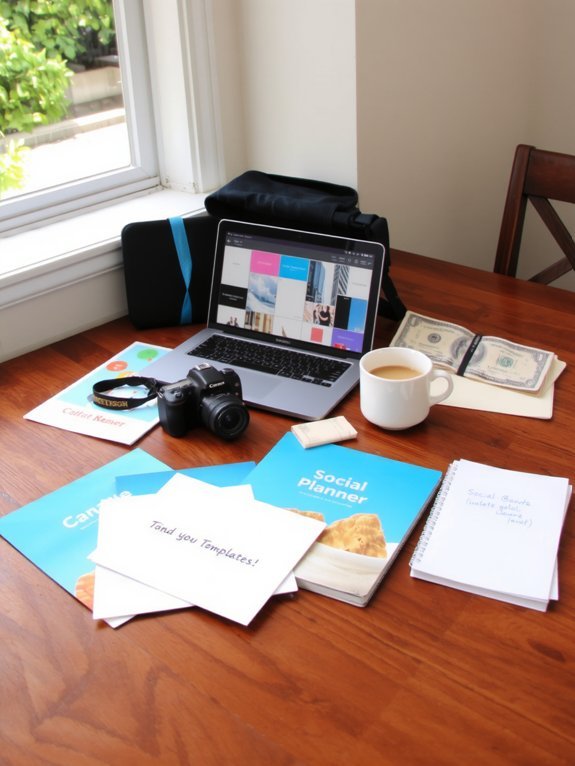
A few smart moves can turn a tiny idea into steady income, and I’ll tell you why Canva templates are one of them. You’ll love the Canva advantages: low startup cost, instant global reach, and tools that make design feel like brushing teeth — surprisingly satisfying. You’ll pick a niche, craft a clean layout, tweak colors, then hit export; customers click buy, download, and breathe a sigh of delighted relief. Template versatility means you can make planners, social tiles, pitch decks, even wedding invites, all from one clever file. I’ll be blunt: it’s not passive magic, but it’s repeatable, fun, and oddly addictive. You’ll earn while you sleep, or at least while you binge.
Researching Market Demand and Winning Niches

You’ll want to spot niches that actually sell, not the ones that sound cute on paper, so start by scanning Etsy, Creative Market, and Canva’s own template search for repeat winners and crowded listings. Then punch those niche ideas into keyword tools and search bars, listen for volume and trends, and watch which phrases light up with shoppers — it’s like eavesdropping, but legal and profitable. I’ll show you how to turn those high-demand keywords into templates that practically wink “buy me.”
Identify Profitable Niches
Three things decide whether a Canva template will sell: demand, competition, and your little twist — and I’m going to make you care about all three. You start with niche exploration, poking around small corners where people actually spend time — fitness coaches, Etsy sellers, podcast hosts — smell the room, watch colors and words they use. Then you run trend analysis, scanning socials, marketplaces, and tiny subreddits for what’s catching fire; jot screenshots, save links, sketch layout ideas on your phone. Don’t chase every shiny thing. Instead pick a tight niche, imagine a buyer scrolling at midnight, and build a template that stops their thumb. I test, tweak, ask friends, and ship fast — imperfect beats perfect, every time.
Analyze Keyword Demand
Once you start hunting keywords, the market stops being a rumor and becomes a map you can actually follow — I promise it’s more fun than it sounds. You’ll fire up keyword tools, watch search trends, and feel like a detective with a laptop and too much coffee. I tell you what to look for: steady volume, low competition, buyer intent words like “template” or “editable.” Tap filters, sniff out seasonal spikes, and jot winners on a sticky note. Picture scrolling through graphs, the green line nudging up, you grinning like a kid who found candy. Then test with one template, measure clicks and sales, tweak titles and tags. If it sells, scale it; if not, pivot fast and laugh about it.
Designing Templates That Buyers Actually Want
You’ll start by spotting market-driven ideas that actually sell — picture scrolling through a crowded Etsy feed, ears tuned to what people click and buy. Then you’ll match those ideas to a tight niche and audience, so your templates feel like they were made just for them, not slapped together at midnight. Finally, you’ll make everything easy to edit and delight to use, with clear layers, smart defaults, and a couple of cheeky sample photos so buyers can imagine their brand in seconds.
Market-Driven Template Ideas
Think like a shopper, not a designer—it’s the single best switch you can make when dreaming up templates. You’ll scan marketplaces, sniff out trending designs, and steal ideas legally by mixing styles you love. Picture scrolling at midnight, thumbs pausing on colors that pop, layouts that breathe, copy that sings—copy that sells. Offer seasonal themes for holidays, back-to-school, or slow summer weekends, ready to customize in minutes. Build packs: social posts, stories, and matching thumbnails, so buyers grab everything at once. Test thumbnails, tweak headlines, watch which mockups get clicks. I promise, quick swaps beat perfect polish. Make it tactile: clickable previews, bold contrasts, short directions. Sell usefulness first, prettiness second, and you’ll hear the cha-ching.
Niche and Audience Fit
Okay, now let’s get picky about who you’re actually making these pretty things for. You want buyers to sigh, click, buy. Start with niche selection: pick a clear market, feel their pain, smell their coffee, watch them scroll. Define your target audience — what they need, where they hang out, what colors calm them. Design with empathy, not ego. Test a sample, ask questions, iterate.
| Emotion | Scene | Action |
|---|---|---|
| Hope | Morning scroll, shaky hands | Offer calm templates |
| Relief | Deadline panic, microwave fumes | Fast-edit layouts |
| Delight | Confetti GIF, small victory | Celebrate with style |
| Trust | Clear instructions, warm tone | Include crisp guidance |
| Urgency | Last-minute launch, heartbeat | Create instant polish |
Make choices that feel right, sell like lightning.
Usability and Customization
How will anyone actually use these templates once they’ve bought them? You want buyers to open your file and breathe easy, not squint and sigh. Test template functionality: swap images, edit text, change colors, drag elements, and time how long it takes you. If it’s clunky, fix it. Think user experience like a tiny guided tour, with clear labels, locked layers where needed, and handy placeholders that smell like “done.” Speak directly in instructions—short lines, friendly tone. Offer a quick-start slide, examples, and a finished mockup so they can imagine results. I’ll be honest, I’ve ruined an aesthetic with one bad font choice, so I obsess over defaults. Make customization joyful, make editing fast, and buyers will come back for seconds.
Packaging Files, Formats, and Bonus Assets

One clean folder can save you from a week of awkward customer emails and a thousand tiny headaches. I tell you this because file organization is where projects either sparkle or implode. You’ll zip export-ready Canva links, add PNGs, JPEGs, and a layered PDF — crisp, labeled, no guessing. Don’t forget a README that shows quick start steps, color hexes, and font names; your buyer will thank you, silently, with fewer “how do I” messages. Template branding deserves a small brand-kit file: logo variants, color swatches, usage notes. Toss in bonus assets — mockups, icon sets, and a shortcut cheat-sheet — little gifts that feel like gold. Package it neatly, test the downloads, then breathe; you’re done, for now.
Licensing, Legal Considerations, and Usage Terms
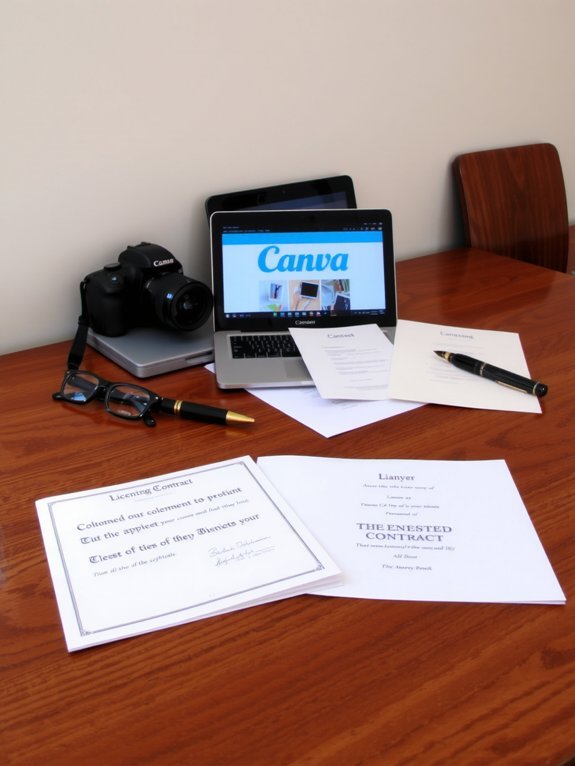
You’ve zipped the perfect folder, tested every download, and popped a cute README in there — now don’t blow it by skipping the fine print. I tell you this like a friend who once learned the hard way: set clear template licensing, write plain legal agreements, and state template ownership up front. Say who can use files, what usage rights they get, and any resale restrictions. Spell out buyer responsibilities—no rebranding as their own, no selling the source. Mention template attribution if you require credit, and link to relevant copyright laws so buyers can’t claim ignorance. Keep terms short, bold the big rules, and offer a simple contact line. It’s boring, yes, but it keeps your work safe and your sales tidy.
Where to Sell: Marketplaces, Your Website, and Bundles

Pick three places to start selling: a big marketplace, your own site, and a bundle shop—or you can mix and match like a buffet. You’ll get a marketplaces overview fast: big sites give traffic, reviews, and instant shoppers, but they take cuts and set rules. Your website advantages are control, branding, and higher margins, though you’ll hustle for visitors. Bundles sell like candy—stacked value, impulse buys, and tidy presentation.
| Venue | Perks | Quick Tip |
|---|---|---|
| Marketplace | Built-in audience | Optimize tags |
| Your Site | Full control | Build an email list |
| Bundle Shop | Higher perceived value | Curate themes |
| Hybrid | Diversified income | Cross-promote |
Start small, test listings, tweak visuals, and talk to buyers like they’re friends.
Pricing Strategies and Recurring Revenue Models

If you want buyers to keep coming back, don’t treat pricing like a toaster setting — test it, tweak it, and listen to the hum. I’d start by placing a premium pack next to a basic one, so price anchoring makes the basic feel like a steal, and your brain does the rest. Offer a low-cost subscription models option, monthly or yearly, for access to new templates, sneak peeks, and quick swaps. You’ll hear the cha-ching of steady cash, and feel less like a one-hit-wonder. Run time-limited trials, measure churn, ask customers what they actually use. Adjust tiers, add micro-upgrades, and throw in surprise freebies to delight. It’s smart, not greedy — recurring revenue with a wink.
Marketing Tactics to Drive Sales and Build a Brand

When I started selling templates I thought “build it and they’ll come” would work — spoiler, it didn’t. You need social media that pops, quick visuals, and steady content marketing to pull people in. I post tutorial reels, run email marketing with punchy subject lines, and test audience targeting like a mad scientist. Try influencer collaborations for reach, but keep negotiations crisp. Customer engagement matters — reply fast, ask for screenshots, celebrate wins. Your brand storytelling should smell like coffee and confidence, with consistent visual branding across every touchpoint. Launch promotional campaigns that sparkle, track results via analytics tracking, and ditch what flops. You’ll tweak, win small, and scale. It’s gritty, fun work, and yes, you’ll laugh at your own early mistakes.
Conclusion
You’ve got the tools, the taste, and a little stubbornness — good. Start small: research a niche, design one knockout template, list it, watch feedback trickle in. Promote it like you’re annoying-but-winning, tweak based on real buyers, then scale with bundles and repeat customers. I promise it’s doable. But don’t get comfy yet — there’s one tweak that flips “nice” into “can’t-live-without,” and finding it is half the fun.