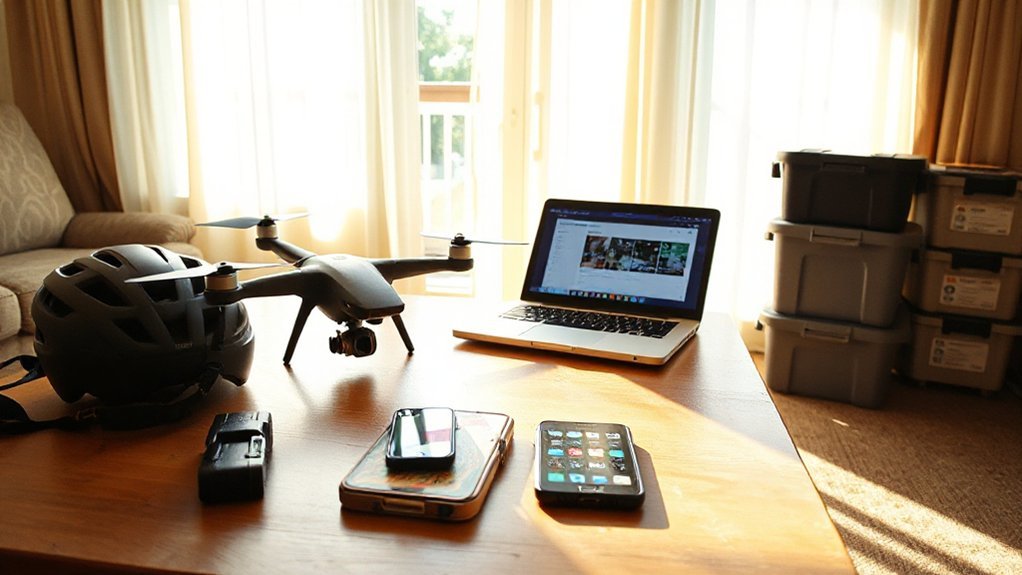
You probably have gear, tools, or gadgets that sit unused most of the time, and you can turn them into steady income with a few smart moves. Start by choosing items people actually need, make them look professional in listings, set fair prices, and protect yourself with clear rules and deposits. If you want practical steps to pick, price, and protect your rentals so they earn reliably, keep going.
Key Takeaways
- Identify high-demand, durable items (cameras, tools, party gear, seasonal equipment) that rent frequently and require minimal upkeep.
- Research local and platform pricing, set competitive rates, and adjust monthly based on occupancy and booking velocity.
- Clean, repair, photograph, and write clear listings with dimensions, usage tips, and concise rental terms to attract renters.
- Use booking software, require refundable security deposits, and document item condition with timestamped photos before and after rentals.
- Track income and expenses, automate or outsource cleaning/maintenance, and reinvest profits to expand inventory and increase revenue.
Why Renting Out Your Belongings Is Worth Considering
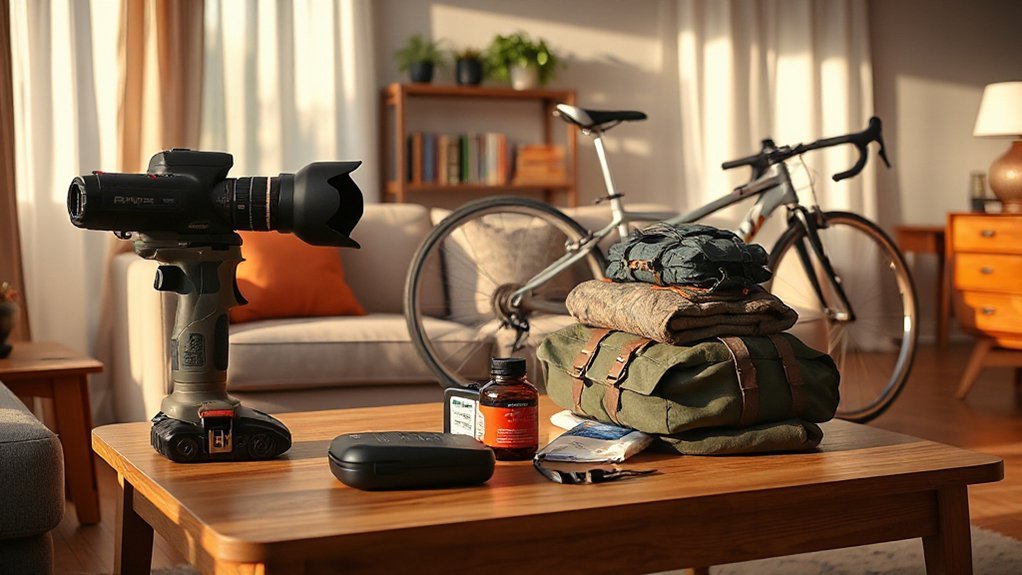
Because most items sit unused for long stretches, renting out what you already own can turn idle stuff into steady income with relatively little effort. You’ll see immediate financial benefits: extra cash covers bills, funds projects, or builds an emergency cushion without selling possessions. You control pricing, availability, and who borrows, so risk stays manageable. Renting also extends an item’s useful life and reduces demand for new goods, so your choice has a measurable sustainability impact you can be proud of. Set clear terms, take good photos, and use a reputable platform to minimize problems. Start small, track earnings and maintenance costs, and scale what works—you’ll quickly judge whether this income stream fits your lifestyle.
What Items Make the Best Rental Candidates
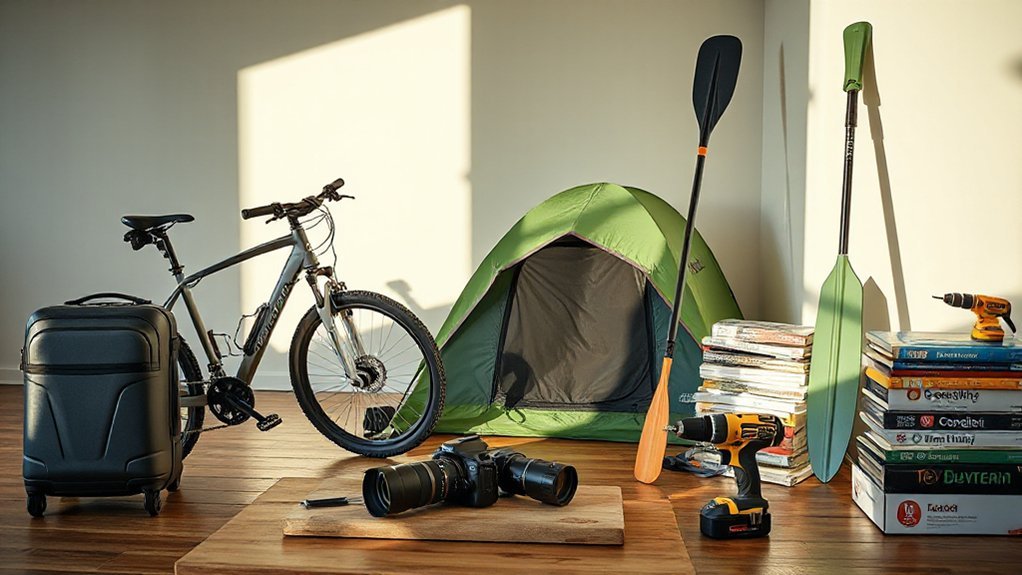
Think about items that people often need but don’t want to buy—high-demand gear like cameras, party supplies, or power tools are great starters. Pick things that are low-maintenance, durable, and easy to ship so you minimize hassle and costs. Also consider seasonal or high-margin items, since they can earn more during peak times without tying up your cash year-round.
High-Demand, Low-Maintenance
Start with items people need often and that require little upkeep—these are your best rental candidates. You want high demand items that stay useful and don’t eat your time. Pick gear that renters use repeatedly and that you can sanitize or inspect quickly. Use low maintenance strategies: durable finishes, simple manuals, and modular parts so repairs are fast.
- Power tools with replaceable blades/batteries.
- Baby gear (strollers, car seats) with washable covers.
- Event supplies (chairs, lighting) that stack/store neatly.
- Electronics like projectors with cleaned filters.
Price competitively, offer clear care instructions, and schedule brief turnarounds. When you focus on items people need often and that are easy to maintain, you maximize bookings while minimizing hassle.
Durable, Easy-To-Ship
If you want rentals that travel well and keep your workload low, choose items that are both tough and compact so they survive shipping and handling without constant repairs. Pick gear made from durable materials—metal tools, molded plastics, hard-case electronics—that resist dents, moisture, and wear. Favor items with standardized sizes and weights to cut packing time and postage costs. Create simple shipping strategies: sturdy boxes, labeled fragile points, return-label kits, and clear packing photos to reduce disputes. Offer lightweight bundles rather than bulky single pieces so you can serve more customers per shipment. Inspect quickly between rentals and replace worn padding, not whole products. By focusing on rugged, easy-to-ship inventory and smart shipping strategies, you’ll minimize downtime and protect your profit.
Seasonal, High-Margin
When demand spikes predictably, you can charge premium rates for items people only need briefly—holiday decorations, snow blowers, inflatable party gear, camping trailers, and specialty photography lenses are typical examples. You’ll target seasonal demand and convert idle assets into high margin items by matching timing with local needs. Choose durable, easy-to-maintain goods and create clear rental windows, cleaning protocols, and damage policies so turnover stays smooth.
- Snow blowers — winter-only but high daily rates.
- Inflatable party rentals — concentrated on weekends and holidays.
- Camping trailers — peak during warmer months, low storage cost per use.
- Specialty lenses — photographers rent for shoots, yields strong margins.
Price for scarcity, communicate availability, and protect value with deposits.
How to Research Market Demand and Price Competitively
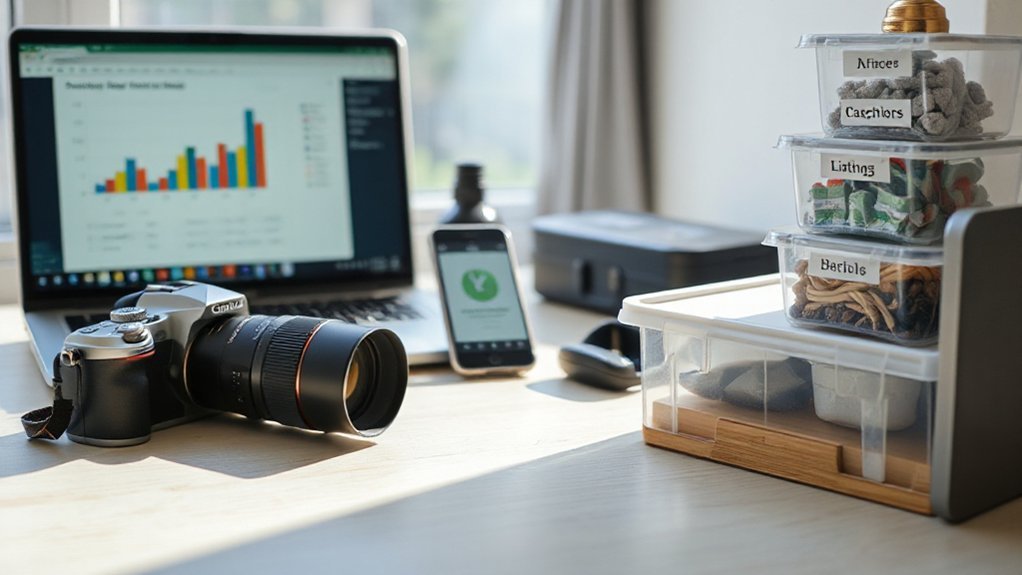
Although it takes some legwork, researching market demand and pricing competitively will protect your income and keep bookings steady, so begin by surveying where and how similar items rent in your area and niche. Use market research to track rates, availability, peak times, and customer reviews on platforms and local classifieds. Run a competitive analysis to spot gaps — higher-quality items, better availability, or bundled services you can offer. Estimate utilization rates and set weekday vs. weekend pricing, seasonal surges, and minimum rental periods. Test prices with small adjustments and monitor booking velocity and inquiries. Keep records, revisit pricing monthly, and be ready to undercut or premium-price based on condition and demand to maximize revenue without overpricing.
Preparing Your Items: Cleaning, Photos, and Descriptions

Start by making your item look and work like new: clean every surface, repair any damage, and replace worn parts so renters get a reliable product and leave positive reviews. You’ll boost bookings by focusing on item preparation and photo quality. Take crisp, well-lit shots from multiple angles, show accessories and any wear, and include a close-up of controls or connectors.
Make your item look and work like new: clean, repair, replace parts, and photograph clearly to boost bookings.
- Clean and sanitize, then photograph in natural light.
- Fix mechanical issues; list replaced or serviced parts.
- Write concise descriptions: dimensions, condition, and what’s included.
- Add usage tips, setup time, and recommended care.
Clear photos and precise descriptions lower questions, reduce disputes, and let you charge more. Do this once and save time on every rental.
Drafting Clear Rental Rules and Contracts

Because clear rules protect you, your items, and your renters, draft a concise rental agreement that spells out expectations, responsibilities, and consequences before anyone pays. You’ll set clear guidelines on pickup/dropoff times, permitted use, cleaning requirements, damage procedures, late fees, and security deposits. Use plain language and bullet points so renters can scan the terms quickly. Require ID, contact info, and a signed agreement — electronic signatures work fine. Specify who’s responsible for repairs or replacement, how disputes are handled, and when refunds apply. Keep a short FAQ section for common scenarios. Review local laws and adjust clauses for liability limits and insurance requirements. Enforce rules consistently: consistent enforcement builds trust and protects your income and property.
Choosing Platforms and Channels to List Your Items
You’ll want to weigh broad platforms with high traffic against niche sites that attract the exact renters for your item. Check each channel’s booking flexibility, fees, and payment processing so you’re not surprised by cancellations or delayed payouts. Pick platforms that match your target renter and give you reliable, transparent payment and scheduling tools.
Platform Reach Vs Niche
When deciding where to list your items, weigh broad reach against niche focus: large platforms give you exposure to many renters fast, while specialized sites connect you with people who specifically want what you’re offering. You’ll consider platform advantages like traffic, tools, and trust versus the precise targeting and community fit of niche markets. Choose based on item type, competition, and how much time you’ll spend managing listings.
- High-traffic platforms: fast bookings, more competition.
- Niche marketplaces: higher relevance, often better rates.
- Hybrid approach: list broadly but keep signature items on niche sites.
- Local networks: lower fees, easier logistics.
Balance visibility with relevance to maximize bookings and renter satisfaction.
Booking and Payment Options
Think about booking and payment options as the checkout and calendar for your rental business — they’ll shape how easily people book, how quickly you get paid, and how much trust renters place in you. Choose listing channels that integrate reliable booking software so availability syncs across platforms and you avoid double bookings. Prioritize marketplaces or self-hosted solutions that support multiple payment gateways, letting renters pay with cards, wallets, or ACH. Look for clear cancellation rules, deposits, and automated reminders to reduce no-shows. Test the user flow from search to confirmation and payout speed; a clunky checkout loses bookings. Finally, display security badges and transparent fees — they’ll boost conversions and signal professionalism, helping you rent more often with less hassle.
Managing Bookings, Communication, and Turnarounds
Before bookings pile up, set clear rules and a simple process so renters know what to expect and you can handle requests without scrambling. Use booking organization tools and communication strategies to keep everything predictable: calendar sync, standardized messages, and a checklist for turnovers. You’ll save time and avoid disputes.
- Confirm requests within an hour and send a short, friendly instruction email.
- Block time in your calendar for pickups, returns, and cleaning.
- Keep templated replies for common questions and add personal notes when needed.
- Use a checklist app to track item condition before and after each rental.
Consistent, prompt communication and a tight turnaround routine builds trust and boosts repeat bookings.
Protecting Yourself: Deposits, Insurance, and Liability
Because rentals expose you to damage, loss, and disputes, set up clear financial and legal protections from day one so you don’t pay the price later. Require refundable security deposits sized to cover typical damage and clearly state when and how you’ll withhold funds. Use detailed rental agreements that spell out condition, allowed use, return deadlines, and dispute steps; have renters sign them electronically. Carry appropriate liability and property insurance and check whether your homeowner or renter policy covers commercial use. Consider platform protection or endorsement riders for high-value items. Document item condition with timestamps and photos before and after each rental to support claims. Enforce payment Authorization holds and clear cancellation fees. These security measures reduce risk, speed resolution, and make renting profitable and sustainable.
Handling Maintenance, Repairs, and Item Replacement
Once you’ve set up deposits, agreements, and insurance, you’ll need a plan to keep items working, safe, and rentable—because wear and tear happens and quick fixes protect your income. Decide on maintenance strategies and document schedules so renters know expectations. Triage issues fast: minor fixes you handle, bigger problems go to pros.
- Inspect items between rentals to catch issues early.
- Stock basic supplies and list preferred repair options for common failures.
- Set clear replacement thresholds (cost vs. value) and update listings promptly.
- Use trusted vendors and keep receipts for reimbursement or insurance claims.
You’ll reduce downtime, protect value, and reassure renters by being proactive, cost-conscious, and reliable.
Scaling Up: From Casual Rentals to a Reliable Side Income
If you want to turn casual item lending into a dependable side income, start treating it like a small business: track earnings and expenses, standardize processes, and reinvest profits to grow inventory and reduce downtime. Set clear income goals so every decision ties to revenue targets. Use scaling strategies like automating bookings, outsourcing cleaning, and listing across multiple platforms to increase utilization without burning out. Price tiered packages and minimums to improve per-rental value. Document workflows for vetting renters, handling disputes, and scheduling maintenance so you can delegate. Monitor metrics — occupancy rate, average rental value, and turnaround time — and adjust inventory based on demand patterns. Reinvest profits into high-return items and smart marketing to steadily convert casual lending into reliable income.
Conclusion
Renting out your stuff can turn idle items into steady income with minimal hassle. Start small, pick high-demand, well-maintained gear, and create honest listings with great photos and clear rules. Use reliable platforms, require deposits or insurance, and communicate promptly to build trust. Track earnings, reinvest in repairs or replacements, and refine pricing based on demand. With consistent care and smart systems, you’ll grow reliable side income without sacrificing convenience or control.