


Most people don’t realize a recruiter spends only six seconds on a resume, which means design does half the work for you — and yes, you can charge for that magic. I’ll show you how to build a portfolio that makes strangers call you, price packages so clients don’t haggle, and add extras like LinkedIn tweaks that feel like dessert; picture a clean PDF sliding into an inbox, a client exhaling, money hitting your account — but first, you need one tiny habit.
Why Clients Pay for Professional Resume Design

Money talks, but design whispers “hire me” — and sometimes that whisper closes the deal. You know the scene: a hiring manager squints at a sea of text, then your layout lets their eyes breathe, they nod, they smile. You’re selling certainty, not just pretty pages. Clients expect clarity, polish, quick turnarounds; they want resumes that pass ATS filters and make humans lean in. You keep one ear on client expectations, the other on design trends, blending readable fonts, smart white space, a splash of color that doesn’t scream. You tweak margins, test PDF exports, and explain choices in plain language, because confidence sells. You’ll charm skeptics, save time, and make money while staying proudly picky about bad type.
Building a Portfolio That Converts Prospects Into Clients
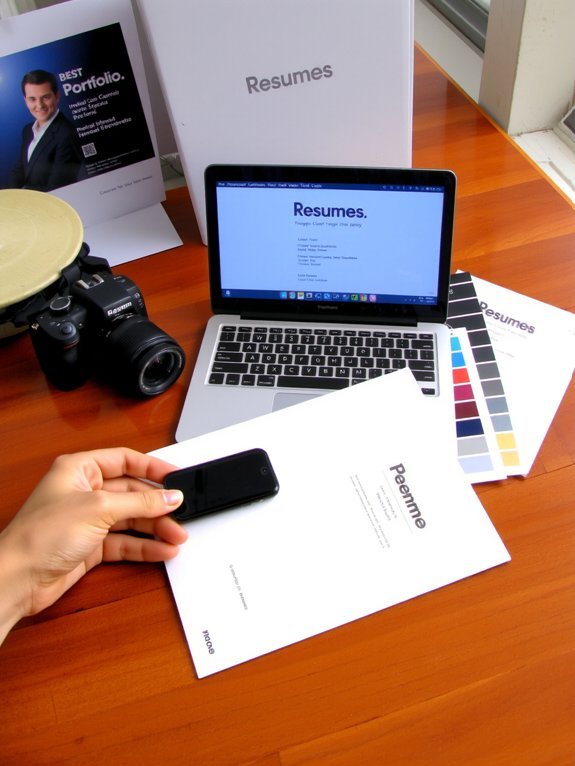
Portfolio is your storefront, your handshake, your opening line — and yes, it has to sing before a client even reads a word. I’ll show you how to stage it so prospects convert. Start with curated portfolio examples, three-to-five hero pieces, each with before/after images, a brief problem statement, and measurable results — numbers sell. Use current design trends subtly: clean hierarchy, readable fonts, tasteful color pops, not a disco of icons. Photograph printed resumes, show screen captures, and record a 15-second walkthrough video, so they can hear the paper, see the spacing, feel the rhythm. Craft captions that explain choices, drop a witty aside, and end with a clear CTA: “Book a sample tweak.” Simple runway, big impact.
Pricing Strategies and Packaging Your Services

Okay — you’ve staged the portfolio like a boutique window, clients are peeking in, and now they’re lingering. You’ll price like a pro, not like a bargain bin. Do a quick competitive analysis, sniff out common rates, spot gaps, then set service tiers that make choices obvious. Offer a basic resume refresh, a mid-level rewrite with keyword optimization, and a premium package with cover letter, LinkedIn polish, and a 30-minute coaching call. Name them clear, add one bold feature in each, and stack prices so the middle looks smart. Use anchor pricing, limited-time extras, and an easy refund policy. Keep packaging crisp, photo-sharp, and brag-ready — people buy clarity, not confusion.
Finding Clients: Marketplaces, Networking, and Cold Outreach
When you’re ready to turn those shiny packages into paying clients, you’ve got to go where people actually hang out — and I’m not talking about the void of missed DMs. I poke around online platforms like Upwork, Fiverr, and niche boards, scanning profiles like a hawk. You’ll craft sharp listings, load eye-catching samples, and set clear turnarounds — smell the coffee, feel the click. Then get social: local meetups, alumni groups, and industry Slack channels. I’m blunt in DMs, polite in person. Cold outreach works when it’s personal, short, and useful. Don’t sleep on referral programs; incentivize fans with discounts or finders’ fees. Track every lead, follow up, rinse, repeat. Clients come from persistence, charm, and decent coffee.
Adding Value With Extras: Linkedin, Cover Letters, and Career Coaching
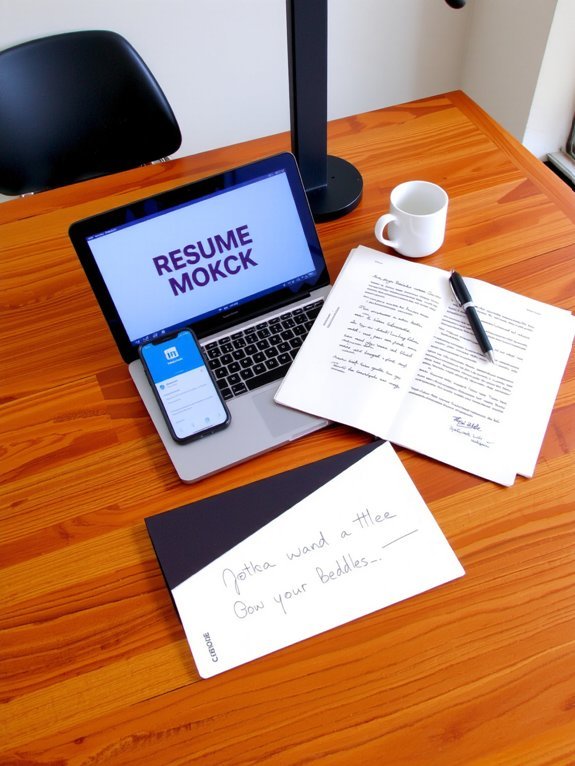
Alright, you’ve got clients booking slots and your inbox humming — now let’s make each project worth more than a pretty PDF. You’ll sell LinkedIn optimization as a bolt-on, tidy headline, punchy summary, and keyword tuning that pops on recruiter searches; show before-and-after screenshots so prospects salivate. Offer Cover letter templates, customizable, ATS-safe, and readable aloud to prove rhythm. Add short coaching calls, grit-and-goal sessions, and interview run-throughs where I poke fun at nerves and hand you scripts that sound human. Price bundles, not hours, and photograph wins—screens, testimonials, celebratory confetti GIFs. You’ll feel clever charging more, clients will buy the certainty, and you’ll sleep better knowing you turned resumes into career-launching kits.
Conclusion
I’ve watched a client’s dull one-page become a bright, interview-magnet résumé, like turning a lonely sandwich into a five-star meal—clients notice the spice, and you get the tip. You’ll build a portfolio that sells, price packages that make sense, chase prospects where they live, and add LinkedIn and cover-letter options that earn repeat business. Start small, iterate fast, and enjoy the chaos—your design can change someone’s Monday morning for the better.


