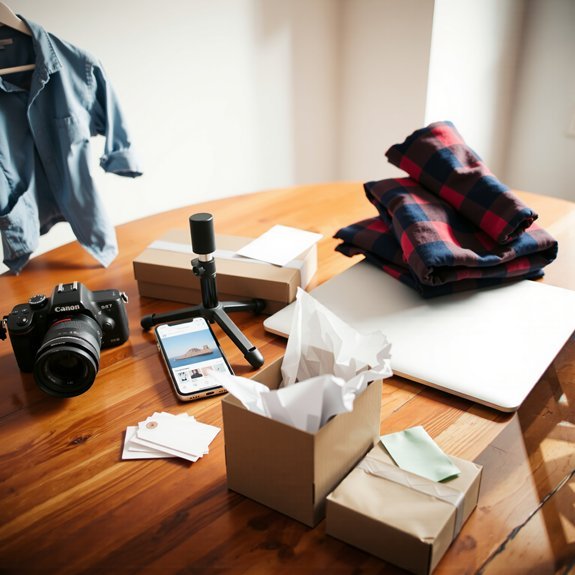
You’ll feel like a treasure-hunting pirate who accidentally found a mint-condition Gucci belt in a pile of grandma sweaters—true story, I swear—so you’ll want to know how to turn that thrill into steady cash. I’ll show you what to spot fast, where to buy, and how to list like a pro, with practical steps you can use this weekend, but first we’ll clear the most common rookie mistakes that kill profit.
Why Flipping Thrift Store Finds Is a Smart Side Hustle
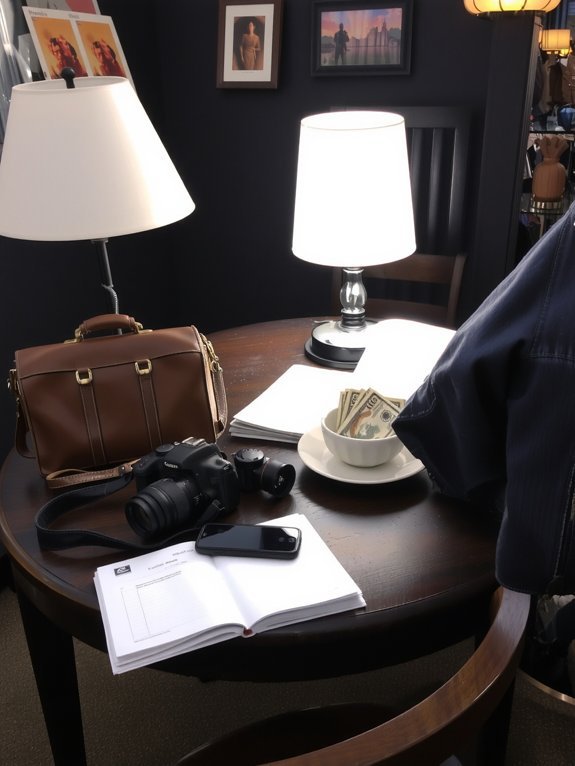
Because I like finding hidden treasures where other people see dust, flipping thrift-store finds became my favorite side hustle fast. You’ll learn the rhythm: scan aisles, sniff old books (just kidding, mostly), lift a lamp, feel the cool metal, imagine it gleaming on a shelf in someone else’s home. You’ll see profit potential in a crooked frame or a jacket with character, and you’ll turn small buys into tidy margins. It’s hands-on hustle, not a get-rich fantasy; you’ll clean, photograph, list, ship, repeat. Do it right, and that steady loop becomes sustainable income that cushions bills and sparks joy. Trust me, you’ll laugh at your rookie mistakes later, after the sales roll in.
What Items Consistently Resell Well
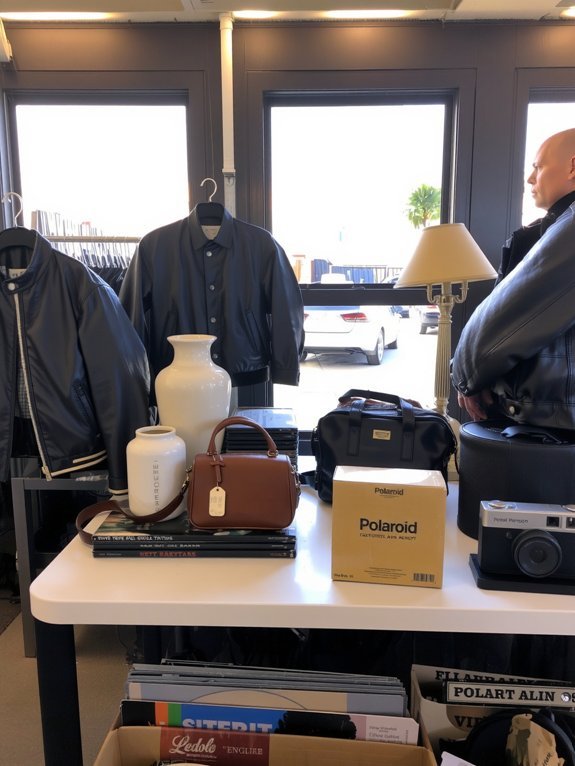
Boxes of weird stuff, if you know what to look for, can turn into steady cash — and yes, I mean the weird stuff. I walk aisles eyeing vintage clothing, fingers skimming faded prints, imagining photoshoots. You’ll spot collectible toys in dusty corners, small plastic fortunes waiting. I flip couch frames and lamps, furniture flips that clean up nice. I test cords for electronics resale, a quick spark means profit. You’ll arrange home decor on a table, styling it like a tiny showroom, people buy the vibe. I bag designer handbags when seams hold. I tap sports memorabilia for niche fans, signatures sell. Musical instruments get tuned, sound checked, then listed — it’s satisfying work, trust me.
How to Research Prices Quickly and Accurately

You can smell the thrift-store coffee and fabric softener as you lug a vintage lamp to the counter, and that’s when you have to get serious about price — fast. You’ll pull out your phone, tap a few online tools, and do a quick price comparison. Scan UPCs, search completed listings, eyeball condition notes, then decide.
| Source | Speed | Trust |
|---|---|---|
| eBay completed | Fast | High |
| Facebook Market | Quick | Medium |
| Niche forums | Slower | High |
Don’t overthink it; trust patterns. If three comps cluster, that’s your number. If they scatter, list slightly below midpoint, add clear photos, honest notes, and a one-liner about flaws. You move fast, you win.
Where to Source the Best Inventory Locally
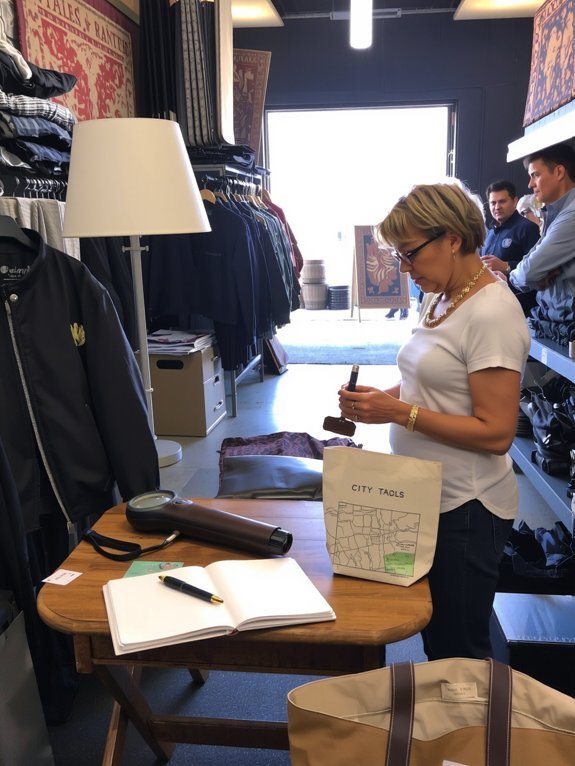
When I’m hunting for inventory around town, I treat every Saturday like a low-stakes treasure hunt — the thrift-store air smells like dryer sheets and old paperbacks, my phone buzzes with alerts, and I’m ready to pounce. You’ll hit local thrift chains first, learn their markdown rhythms, and chat up staff like you’re making friends, not shady purchases. Don’t skip estate sales, garage sales, and church bazaars; they’re gold mines if you show up early and look sharp. Scout neighborhood Facebook groups, follow sellers on Instagram, set search alerts, and use simple sourcing strategies: map routes, rotate stops, and keep a small toolkit in the car. Bring cash, comfy shoes, and a curious eye — taste beats trends sometimes.
How to Inspect Items for Profitability in Minutes
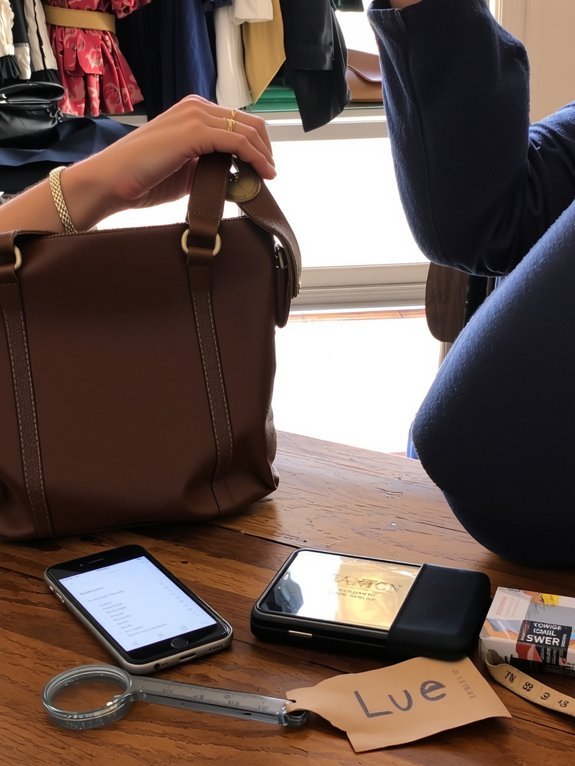
You’re at a cluttered rack, fingers brushing fabric and metal, and you can tell a real designer piece from a copy in under a minute by checking labels, stitching, and hardware. Give a quick condition sweep next—look for odor, stains, loose seams and missing parts, tap zippers and press buttons so you don’t buy trouble. Trust your nose and your eyes, ask one quick question if you need to, and move on if it doesn’t pass the sniff-test or the stitch-test.
Quick Authenticity Checks
Ever wonder how a five-minute glance can turn a dusty jacket into cash? I walk you through quick brand recognition tricks—logo shape, stitch pattern, hardware feel—then I show how to do rapid authenticity verification without a magnifying glass. You’ll run your fingers over labels, sniff leather (yes, really), compare fonts to phone images, and tug zippers to feel solid metal. I talk you through spotting lazy stitching, odd tags, or off-color lining, all in a brisk, confident tone—no PhD required. I joke about my own thrift-store mistakes, because laughing saves grief. By the time you’ve spent a coffee break, you’ll know if it’s legit or a lost cause, and you’ll move on with purpose.
Rapid Condition Assessment
Although it looks like a casual riffle through racks, I treat every item like a tiny business deal, and in five minutes flat I’ll decide if it’s a winner or a curbside donation. You’ll learn a fast condition evaluation that’s part detective work, part speed dating. Smell for mildew, run fingers over seams, snap zippers, check tags and lining—sound like a ritual? Good. Flip shoes, wiggle soles, light-bend glassware to spot chips, tap electronics for loose parts. I mutter a quick price-versus-repair math in my head, then tally time and parts. This rapid assessment keeps you from falling in love with junk. Be brisk, be bold, and laugh when you pass on something pretty that won’t pay.
Low-Cost Cleaning and Repair Techniques That Add Value
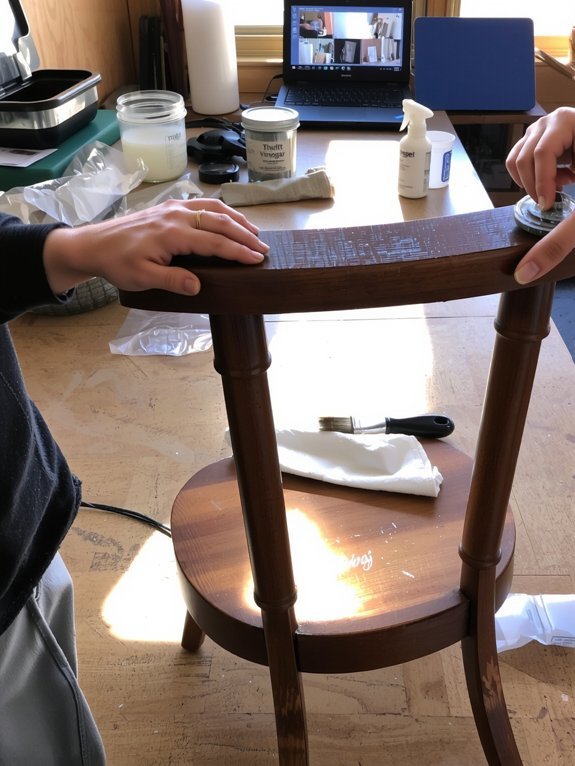
When I spot a thrift-store gem that’s a little tired, I get a tiny thrill — and a pocket full of elbow grease. You’ll want basic cleaning supplies, a few repair tools, and a little courage. I scrub grimy brass until it sings, steam wrinkles out of linen, and dab away stains with baking soda and vinegar like a tiny kitchen alchemist. Tighten wobbly chair legs, replace missing knobs, glue seams, and sand scratches; small fixes make buyers breathe easier. I talk to the piece, half-joking, while I work — it listens better than most people. Finish with a neutral polish, photo-friendly staging, and honest notes in the listing. Simple, cheap, satisfying. You’ll sell stories, not just stuff.
Pricing Strategies to Maximize Profit and Turnover

You’ll start by checking comparable listings, scanning photos, titles, and final sale prices like a detective with a coffee stain on your shirt. Then you’ll price for turnover — nudge the number low enough to sell fast, but not so low you cry into your packing peanuts. I’ll help you spot the sweet spot where quick sales and tidy profits meet, no drama, just cold hard cash.
Research Comparable Listings
Ever wondered why that vintage lamp you scored for five bucks sits in my listings for thirty-nine? I check comparable pricing, scan market trends, and play detective. You’ll learn to hunt similar items, note condition, and time your posts. I tap apps, squint at photos, and scribble notes on napkins — it’s oddly satisfying.
| Item | Condition | Avg Price |
|---|---|---|
| Lamp | Good | $35 |
| Jacket | Like New | $45 |
| Vase | Fair | $18 |
| Book | Mint | $12 |
| Chair | Used | $60 |
Compare sold listings, not just active ones. Adjust for flaws, add clear photos, list descriptive keywords, and price to tempt buyers without giving away the joke.
Price for Turnover
One simple trick I swear by: price for turnover, not ego. I tell you this standing over a battered jacket, fingers smelling of thrift dust, counting potential buyers in my head. You’ll price to move, not to stroke your pride. Scan market trends, glance at comps, then shave a bit — fast sells free up cash. Lower margins per item, higher profit margins overall, got it? You flip more, you buy more, you learn more. Say you list a lamp slightly under similar ones, watch the clicks, the message: “Is it still available?” Cash in days, not months. Be bold, be nimble, adjust prices like a dancer, and chuckle when a slow hearted item finally earns its keep.
Best Platforms and Listing Tips for Different Item Types
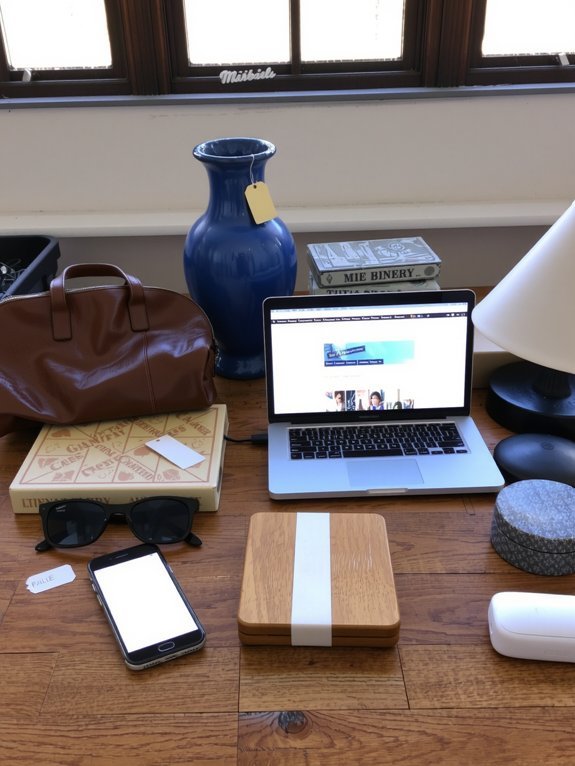
When I spot a vintage leather jacket at a thrift aisle, my heart does a weird little flip—because knowing where to list it can mean the difference between pocket change and a nice dinner out. You’ll learn platform selection and listing strategies fast: clothes on Depop or Poshmark, electronics on eBay, furniture on Facebook Marketplace. Photograph textures, smell the leather, note patina, write tight descriptions that sell a story.
| Item Type | Best Platform | Quick Listing Tip |
|---|---|---|
| Clothing | Depop/Poshmark | Styled photo, measurements |
| Electronics | eBay | Test, include specs |
| Furniture | FB Marketplace | Show scale, damage |
| Books | Amazon | ISBN, condition |
| Collectibles | Etsy | Close-ups, provenance |
Pick the right stage, then perform.
Managing Inventory, Shipping, and Returns Efficiently
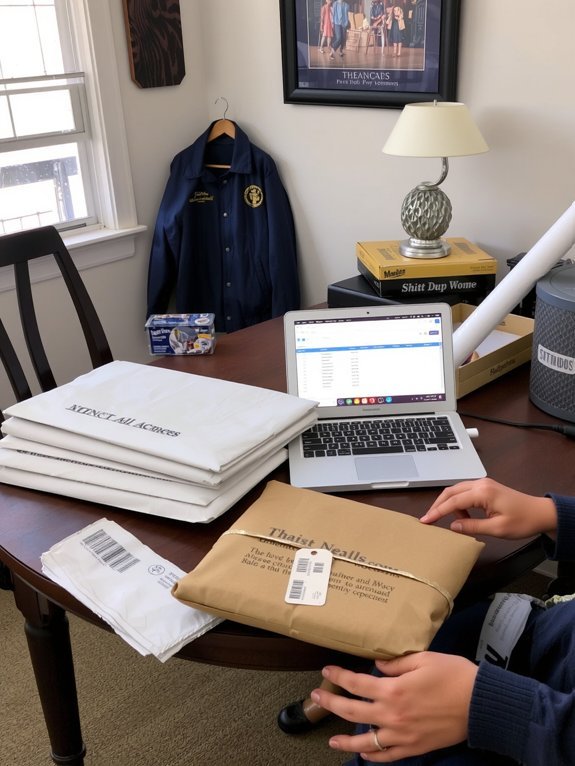
You’ll want a tidy system, labels that you can read without squinting, and a photo folder that won’t betray you at 2 a.m. I’ll show you how to batch-pack like a pro, tape the stubborn seams, print shipping labels in a minute, and avoid those “where’s my package?” texts. Then we’ll set up a simple returns routine that’s fair, fast, and keeps your ratings shiny — no drama, just cash.
Organize Inventory Systematically
A small, fierce system beats chaos every time — trust me, I’ve learned that the hard way after a week of sticky price tags and mystery boxes that smelled faintly of mothballs. You’ll want tight inventory categorization, labeled bins, and a spreadsheet that doesn’t lie. I sort by type, size, and resale window, touch each item, sniff once (yes, really), then decide keep, list, or donate. Use clear storage solutions — stackable crates, vacuum bags for textiles, shoe racks for small goods — and photograph items where they live. Tagging with SKU stickers feels tedious until it saves your evening. I talk to my workspace like it’s a stubborn friend: “Behave.” It listens, eventually, and your profits will too.
Streamline Shipping Processes
If you want to keep profits from dissolving into postage and late-night panic, let me show you how to tighten your shipping game from cluttered chaos to slick assembly line — no cape required. I walk you through a tidy table, clear bins, labeled packing station, and the satisfying snap of bubble wrap. Stock up on shipping supplies, tape, poly mailers, and a cheap scale, so you won’t guess at costs. I batch orders, print labels in a run, and hum like an unpaid factory foreman. Use tracking systems that auto-update buyers, and stash return info in every package. Tell your future self thanks, with fewer mistakes, less stress, and more time to hunt treasure. You got this.
Scaling Your Flipping Operation Without Losing Quality
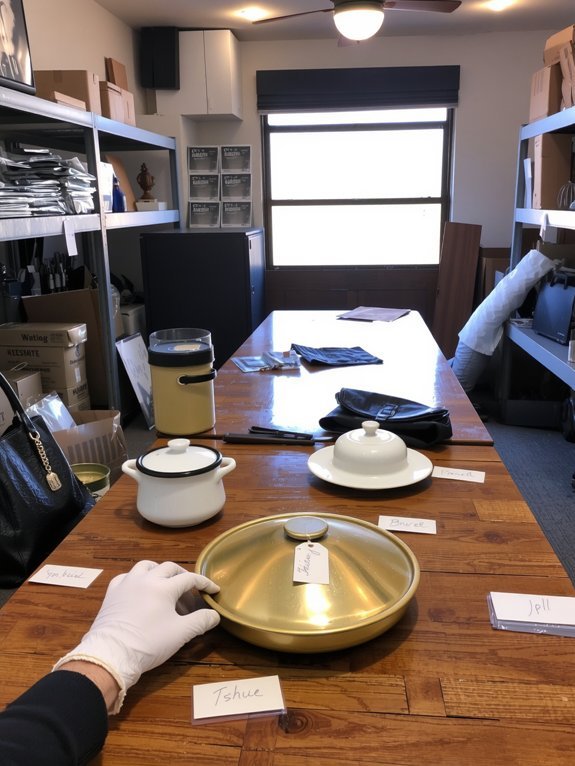
When I decided to stop treating thrift flipping like a hobby and start scaling, I learned fast that growth feels a lot like juggling hot coffee and a stack of fragile vintage plates—exciting, jittery, and liable to end in a loud crash if you’re not careful. You’ll need sharp scaling techniques, and ruthless quality control. Start small: batch listings, set a staging table, photograph in daylight, tag flaws honestly. Hire a helper when your arms ache, teach them your checklist, taste-test the packing tape (yes, really). Automate repetitive tasks, but inspect every item before it ships. Keep a returns folder, learn from each snag, tighten standards, don’t let speed dilute your reputation. Scale smart, keep standards high, and laugh when you spill coffee.
Conclusion
You’ve got the eye now, so go hunt like it’s 1920 and thrift like it’s tomorrow. I’ll be blunt: buy smart, sniff for authenticity, snap crisp photos, price to sell, and list fast. Touch the fabric, jiggle the hardware, imagine the buyer unboxing it — that’s how you spot winners. Start small, track every sale, ship with care, and reinvest profits. I’ll cheer from the checkout line; you’ll turn clutter into cash.