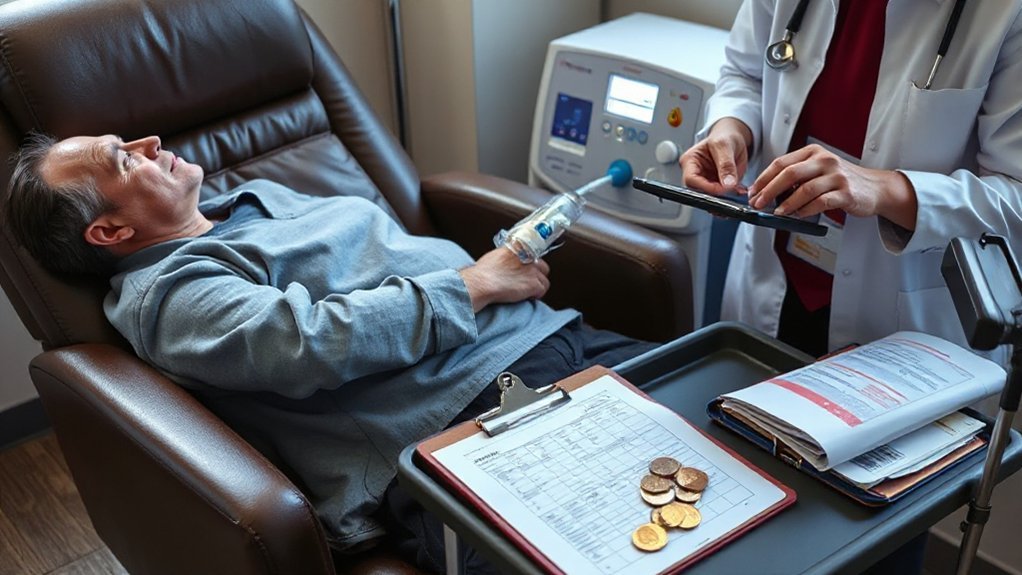
You can earn extra cash by donating plasma regularly, and knowing how payments, eligibility, and scheduling work helps you decide if it’s worth your time. Compensation varies by center, donor status, and promotions, and you’ll want to balance frequency with your health to maximize income. Before you sign up, learn about typical rates, bonus structures, and what each visit involves so you’re prepared to make the most of every appointment.
Key Takeaways
- Expect $20–$75 per visit, varying by center, location, and promotional bonuses.
- New-donor and referral bonuses can significantly raise first-month earnings.
- You can donate every 48–72 hours, enabling multiple weekly payments if eligible.
- Compensation often depends on weight and donor status; bring ID and meet health checks (BP, hemoglobin).
- Maximize earnings safely by tracking offers, scheduling regularly, staying hydrated, and following post-donation care.
What Plasma Donation Involves and Who Qualifies

When you donate plasma, a technician draws blood from your arm, separates the plasma by a machine called a plasmapheresis device, returns your red cells and other components, and then patches the needle site — the whole visit typically takes about 60–90 minutes. You’ll answer health questions, show ID, and have a brief physical exam to confirm eligibility requirements like weight, age, essential signs, and recent travel or medication restrictions. The plasma donation process repeats regularly—usually twice weekly with a 48-hour gap—so you’ll plan around recovery and hydration. Staff monitor you throughout, and you should report any dizziness or unusual symptoms. Follow center rules on eating, fluids, and medications to stay eligible and safe.
Typical Payment Rates and How Compensation Is Calculated
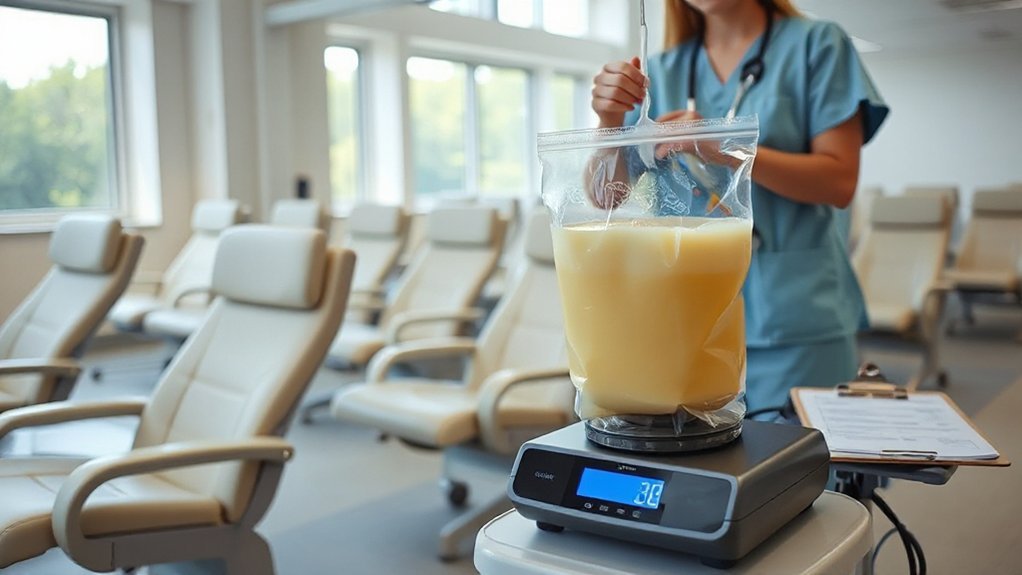
Payment for plasma donations usually ranges from about $20 to $75 per visit, depending on the center, location, and any current promotions. You’ll see payment variability from city to city and between national chains and independent centers. Compensation factors include your donor status (new or returning), weight or plasma volume, promotional bonuses, and referral incentives. Some centers use tiered rates that increase with frequent visits or cumulative donations; others offer flat rates plus occasional sign-up bonuses. You’re paid either via prepaid card, cash, or electronic transfer, and centers document each visit for eligibility and rate calculation. Before donating, check posted rates and ask how they calculate pay so you can plan which center and timing maximizes earnings.
How Often You Can Donate and Scheduling Strategies

You can usually donate plasma every 48 to 72 hours, but centers and local regulations set exact limits you’ll need to follow. Plan donations around your work and recovery time, spacing visits to avoid fatigue and stay eligible for bonuses. Use online scheduling and weekday mornings when centers are less busy to maximize convenience and payout opportunities.
Donation Frequency Rules
Because plasma centers follow strict safety guidelines, you’ll need to know how often you can donate and plan accordingly. Centers set frequency limits to protect your health and maintain donation eligibility; for most donors that’s typically twice a week with at least 48 hours between visits. Your eligibility can change based on weight, hematocrit, medications, or recent illnesses, so staff will check you each visit. Keep records of your donation dates and any deferrals the center issues. If you hit a temporary deferral, follow guidance before returning; repeated deferrals can affect long-term eligibility. Know that different centers or countries may set other limits, so always confirm local rules. Following these frequency rules keeps you safe and eligible for steady payments.
Scheduling Tips and Timing
Now that you know how often centers typically allow donations and why rules matter, plan your schedule to match both eligibility windows and your life. Treat each donation appointment like a small commitment: book consistent days and times that fit work, school, or family obligations so you build a routine and avoid missed visits. Use centers’ apps or call ahead to check scheduling flexibility — many offer waitlists, cancellations, or evening slots. Track your last donation date and required interval in a calendar with reminders so you don’t accidentally show up early. If you travel or your routine shifts, contact the center to confirm eligibility and reschedule. Prioritize restful sleep, hydration, and meals before appointments to maximize acceptance and minimize downtime.
Bonus Programs, Referral Offers, and Seasonal Promotions

You’ll want to know what kinds of bonus programs centers run — sign-up bonuses, visit streaks, and tiered payouts are common. Check referral reward details so you understand who qualifies, how much you’ll get, and when the cash or credit is paid. Keep an eye on seasonal promotions, since timing can boost earnings during holidays or donor shortages.
Bonus Program Types
Plasma centers often layer different bonus programs—sign-up bonuses, referral offers, and seasonal promotions—to boost donations and reward repeat donors, so it helps to know how each works and when to take advantage. You’ll commonly see sign-up bonuses for new donors that pay extra after a few qualifying donations; check bonus eligibility requirements like minimum visits and time windows. Weekly or monthly loyalty bonuses reward consistent donors, stacking with base pay. Seasonal promotional incentives appear around holidays or high-demand periods, offering higher per-visit bonuses or gift cards. Some centers run targeted campaigns for specific blood types or first-time returners. Read terms carefully, track qualifying dates, and plan visits to meet thresholds without overdonating. Knowing program types helps you maximize overall earnings.
Referral Reward Details
After understanding how sign-up and loyalty bonuses stack, look at referral rewards to boost earnings with minimal extra effort. You’ll often get a flat bonus when someone you refer completes a required number of visits or first donation. Check each center’s referral program rules: eligible referrer/referee status, timing, and payout method. Use contacts who haven’t donated recently and explain requirements so referrals qualify. Track pending and paid referrals in your app or account; some centers hold bonuses until verification. Referral income can meaningfully increase your earning potential without extra donations, especially if centers offer repeat referral caps or limited-time boosts. Always confirm limits and expiration dates so you don’t miss available referral bonuses.
Seasonal Promo Timing
When centers run seasonal promo periods—like holidays, summer drives, or back-to-school pushes—they’ll often increase bonuses, referral payouts, or run limited-time referral boosts, so plan your donations and recruitment around those dates to maximize income. Track center newsletters, social pages, and email alerts so you don’t miss promotional events. Prioritize donation slots during peak bonus windows and time referrals to sign up when seasonal bonuses are highest. Keep records of offer terms and deadlines, and confirm payout methods so you get credited. Balance frequency with health and eligibility rules; don’t overdo it. Use promo periods to boost earnings, not risk disqualification.
- Excited to score bigger payouts
- Confident you nailed referral timing
- Relieved by clear promo calendars
- Motivated to plan smartly
Maximizing Earnings While Staying Healthy and Safe

If you want to maximize earnings without risking your health, plan visits, track bonuses, and prioritize recovery between donations. You should follow a healthy lifestyle—sleep well, eat iron- and protein-rich meals, and stay hydrated—to meet eligibility and reduce rejection risk. Schedule donations to hit promotional windows and regular pay cycles, but never rush if you feel unwell. Keep a simple log of dates, compensation offers, and any reactions so you can spot patterns and optimize timing. Always observe safety precautions: use reputable centers, report symptoms, and follow staff instructions for needle care and post-donation rest. If you notice persistent fatigue, dizziness, or bruising, pause donations and consult medical advice before returning.
What to Expect During a Donation Visit
Because the process is routine and staff guide you step-by-step, you’ll quickly get comfortable with a donation visit. On your first visit, you’ll complete paperwork, a health screening, and a brief physical—blood pressure, hemoglobin, and questions about recent travel or medications. Staff explain the donation process, answer questions, and help you relax. The plasma draw takes about 45–60 minutes; you can read, listen to music, or rest. Afterward, you’ll get snacks and fluids, and staff will monitor you briefly to verify you feel okay.
- Relief knowing you passed health checks
- Pride in helping others while earning money
- Slight nervousness before the needle, then calm
- Satisfaction from a short, productive visit
Follow staff instructions and hydrate before and after.
Conclusion
Donating plasma can be a reliable way to earn extra cash if you meet eligibility requirements and pace yourself. Track pay rates, bonuses, and referral offers, and schedule donations every 48–72 hours to optimize income without risking your health. Stay hydrated, eat well, and follow center guidance to avoid complications. With careful planning and consistency, you can maximize earnings while donating safely and making a valuable contribution to patients who need plasma.