


You’re about to turn a knack for spotting stray commas into real income, and yes, you can do it from your kitchen table with a mug that’s seen better days; I’ll walk you through the exact skills, niches, and tools that pay, show how to build a portfolio that actually converts, and give simple pricing tactics so you stop undercharging like a scared intern—stick around, because once you see how clients think you’ll start picking them off like low-hanging fruit.
What Proofreaders Do and What Clients Need
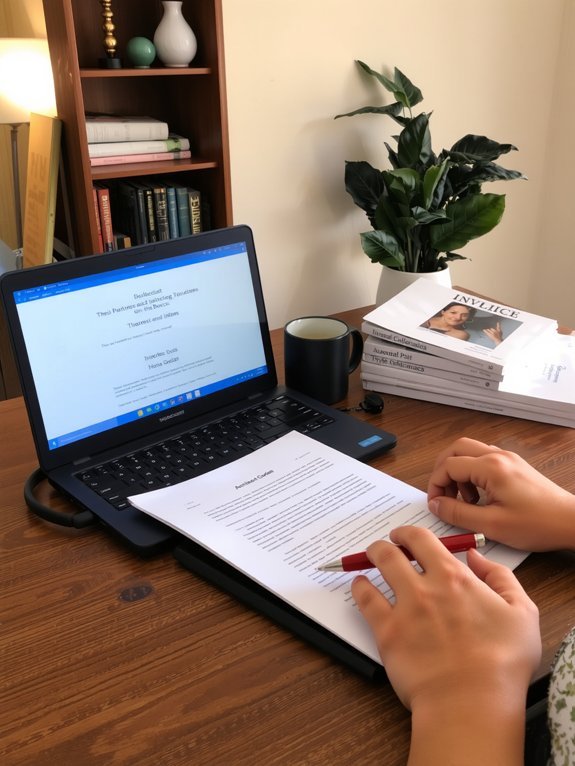
If you’ve ever skimmed a document and muttered, “Who wrote this?” then you already know why I do what I do: I catch the little betrayals — the missing commas, the stubborn tense shifts, the sentences that trip over their own feet — and I make them behave. You’ll learn proofreading basics fast, watching me mark up a page like a detective with a red pen. I point out clarity issues, fix punctuation, and flag inconsistent facts. Clients want reliability, speed, and clear communication; their expectations shape which drafts you touch, and how. You’ll set boundaries, quote a fair rate, and deliver tidy files. It’s hands-on, satisfying work — you tidy chaos, earn respect, and get paid.
Essential Skills and Style Knowledge to Develop

Think of grammar and style as your toolkit and your secret handshake — you’ll need both to get paid and to sleep at night; I teach you how to wield them without sounding like a walking rulebook. You’ll learn punctuation proficiency, the tiny clicks and pauses that make prose hum, and how to spot a comma splice before coffee. I show you tough-love edits, give you hands-on drills, and make style guides feel less like law and more like helpful friends. You’ll train for style consistency, matching tone, hyphenation, and formatting so clients don’t frown. I’ll walk beside you, scissors in hand, polishing sentences until they shine. We’ll laugh at odd typos, celebrate small victories, and build muscle memory.
Niche Opportunities: Books, Academic, Business, and Web Content

When you know your way around commas and cadence, different markets start to sing — and each one pays its own tune. I’ll walk you through niche markets you can grab: cozy novels that need rhythm, dense academic papers craving rigor, crisp business reports that demand polish, and lively web content yelling for hooks. You’ll learn which proofreading specialties match your ear, your patience, your caffeine tolerance. Picture me squinting at footnotes, then swapping to punchy headlines — you switch hats fast, you keep momentum. Charge by project, by hour, or by word, experiment, brag a little, learn client lingo. Each niche smells different, feels different, pays different — good news, you can pick where you belong.
Tools and Software That Make Proofreading Faster

You want to finish faster and cleaner, so I’ll show you the grammar and style checkers that save time and the productivity tools that keep you organized. Picture me nudging your screen, as I toggle between a crisp, red-underlined sentence and a tidy task list that actually respects your coffee breaks. Stick with me, we’ll make your edits sharper, your workflow smoother, and your clients happier—no magic wand required.
Grammar and Style Checkers
Five seconds with a good grammar checker can save you an hour of squinting at commas and wondering if “affect” or “effect” just became your enemy; I say that as someone who’s lost arguments to both. You’ll load a draft, watch red and green highlights bloom like warning lights, and feel oddly triumphant. Use grammar tools to catch tense slips, split infinitives, and those pesky agreement gremlins. Pair them with editing software that tracks changes, suggests tone tweaks, and lets you accept fixes with one confident click. Don’t blind-trust them, though — they miss nuance, and they’ll flag deliberate stylistic choices like a tattletale. I read, I decide, I keep the smart suggestions, and I pocket the rest like spare change.
Productivity and Organization
Once my desk stops looking like a paper hurricane, I flow. You’ll want that same calm, because neatness fuels speed. Use a timer app for time management, set 25–50 minute sprints, and resist the doom-scroll urge. Keep a simple kanban or checklist for task prioritization, color-code urgent edits, and archive finished files in named folders that sing to your brain. Sniff-test documents (yes, literal paper smell when you print), open clean windows, and mute notifications — sound matters. Learn keyboard shortcuts, templates, and a reliable PDF editor, they shave minutes into money. I joke about my sticky-note addiction, but automation and tidy workflows let you proof faster, earn steadier, and keep your sanity intact.
Building a Portfolio and Demonstrating Your Expertise

Portfolio time — think of it as your proofreading demo reel, minus the moody lighting and dramatic music. You’ll craft a crisp portfolio presentation, showcasing expertise with real before-and-after samples, short blurbs, and client-friendly notes. Show variety, keep it tidy, sound human.
| Sample type | Why it matters |
|---|---|
| Blog edits | Fast rhythm, casual tone |
| Academic | Precision, citations glow |
| Fiction | Dialogue, pacing fixes |
| Business | Clarity, ROI-friendly copy |
| Landing pages | Conversion, sharp CTAs |
You’ll narrate choices, point out tricky fixes, and let clients peek at your process. Include testimonials, short case studies, and a downloadable PDF. Keep visuals clean, fonts readable, and file sizes small. You want credibility, not clutter — professional, approachable, ready to work.
Finding Clients: Marketplaces, Cold Pitching, and Networking
You’re not going to sit around waiting for clients to find you, I’m telling you that now — marketplaces like Upwork and Fiverr put your profile in front of hungry buyers, but they also feel like a crowded bazaar. I’ll give you tight cold-pitch templates you can copy, paste, and personalize fast, so you sound confident without sounding like a robot. Then we’ll walk through networking moves — the quick coffee lines, the LinkedIn note that actually gets read, the tiny favors that turn into steady work.
Freelance Marketplaces Overview
If you want clients fast, marketplaces are the obvious starting line — think bustling digital bazaars where every listing smells faintly of desperation and espresso. You’ll scroll, click, and squint at profiles, learning which freelance platforms host steady work versus tire-kickers. I’ll warn you: prices vary wildly, and client expectations can be vague, or oddly specific — like “native English, love commas, hate Oxford.” Pitch smart, pick niches, and set clear rates. Bid on jobs that match your skill, send crisp samples, and follow up without being clingy. Win a few small gigs, collect reviews, then raise your price. Treat the market like a café: chat, trade cards, leave a strong impression, don’t hog the table.
Cold-Pitch Templates
Ever wonder why some cold emails get a meeting and others disappear into the void? I’ll tell you: you nailed the subject line, you mention something real about their work, and you ask one clear, tiny favor. Use cold email strategies that center personalized outreach, not copy-paste guilt trips. Below’s a quick template teaser, use it.
| Goal | Hook | CTA |
|---|---|---|
| Quick intro | Refer to recent post | Ask for 10 min |
| Proof of value | One-line sample edit | Offer free trial |
Write like you hear the reader breathing. Open with a compliment, point out a tiny fix, show how it helps, then close with a single, low-friction ask. Keep it small, human, and useful — they’ll reply more than you expect.
Professional Networking Strategies
Cold emails that get a meeting are great, but let’s widen the net — you can’t live off one neat subject line. I’ll walk you through where to meet clients besides inbox limbo. Go to networking events, not just for name tags, but for real chatter, coffee breath, handshake warmth. Scan the room, find the person who looks like they hate typos, say hi. Then hit online communities: forums, Facebook groups, LinkedIn threads where writers hang out. Drop helpful edits, not pitches, and watch DMs light up. Use marketplaces for steady gigs, but keep nurturing contacts. Follow up, bring cookies metaphorically, show work samples fast. Be bold, be human, be the proofreader people remember.
Pricing Strategies: Per Word, Per Hour, and Project Rates

When you’re setting prices, think of yourself as a food truck chef sizing portions — you want customers to feel full and happy, and you don’t want to run out by noon. I recommend testing per word pricing for steady, straight work, hourly rates when complexity spikes, and project rates for packaged jobs that need a neat bow. You’ll eyeball rhythm, skim richness, and smell deadline pressure — then pick the model. Competitive pricing keeps you visible, not starving. Quote clearly, include revision limits, and say no when a job smells like scope creep. Be playful in pitches, firm in contracts, and track time like a hawk. You’ll learn fast, adjust, and keep the cash steady, like a favorite lunch crowd.
Setting Up a Home-Based Workflow and Workspace

Pricing is only half the meal; now you’ve got to set up the kitchen. You’ll claim a corner in your home office, buy a decent chair, and tune lighting so your eyes don’t beg for mercy. I love a tidy desk, you’ll love fewer distractions. Build a workflow: intake, edit, proof, deliver — repeat. Keep snacks. Keep water. Here’s a quick glance:
| Task | Tool | Time |
|---|---|---|
| Intake & brief | Email/form | 10–15 min |
| Edit pass | Track changes | 30–90 min |
| Final proof | Read aloud | 10–20 min |
Label folders, set templates, use a timer, and back up files automatically. Small rituals—coffee, five deep breaths—make work feel like a craft, not a scramble.
Managing Clients, Contracts, and Revisions Professionally
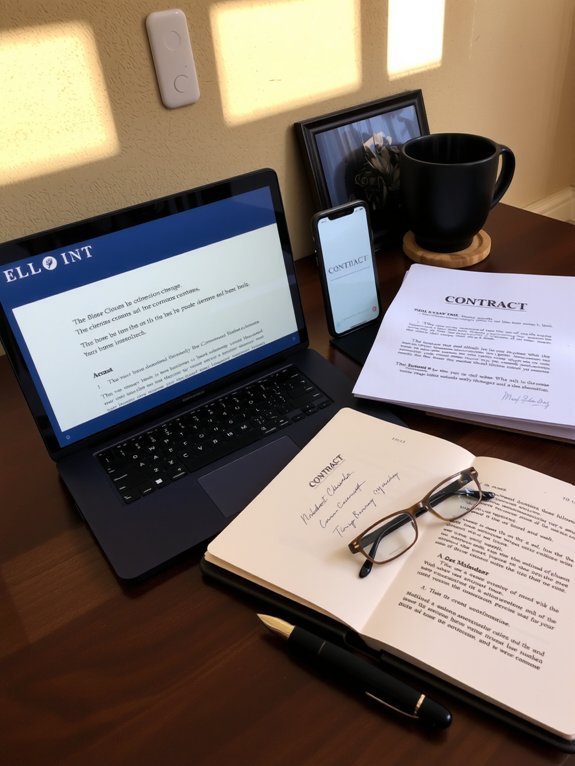
You’ll want to pin down a clear scope and deliverables so nobody’s guessing what gets fixed, when, or how it’s handed back — think checklist, not tarot cards. I’ll walk you through contract essentials and terms you should insist on, with a few plain-English clauses that actually protect your time and wallet (no legalese nap needed). And when clients ask for “one last pass,” you’ll learn how to manage rounds of revisions with polite firmness, a stopwatch, and the occasional joke to keep things friendly.
Clear Scope and Deliverables
If you want clients to treat you like a pro and not a glorified spell-checker, start by locking down a crystal-clear scope that everyone can actually read without nodding off; I promise it’ll save you blood, sweat, and endless “Can you just…” emails. You’ll write a tight scope definition, list deliverable expectations, and describe file types, turnarounds, and revision limits. Say it simply, say it once.
| What I promise | What you get |
|---|---|
| Word count range | 1,200–1,500 |
| Style guide | AP or client file |
| Revisions | Two rounds, tracked |
When a client opens the doc, they should smell coffee, not confusion. Clear bullets, bold deadlines, and a short yes/no checklist keep you calm, paid, and respected.
Contract Essentials and Terms
One solid contract can save you from a week of messy emails and the kind of client calls that make you stare at your coffee until it goes cold. I’ll say it plain: pick contract types you actually need — freelance agreement, retainer, or per-project — and spell out scope, rates, deadlines, and deliverables. You’ll list payment terms, file formats, and ownership, you’ll add a simple cancellation clause that doesn’t look lawyer-y. Use negotiation tips like anchoring your fees, offering one small concession, and asking for confirmation in writing. Keep revision limits brief but fair — don’t gatekeep kindness. Sign digitally, send a friendly follow-up, and breathe; contracts are maps, not prison sentences, and you’re the guide.
Managing Rounds of Revisions
When clients send back files with more red than a traffic accident, breathe, smile, and treat the revision round like choreography — you lead, they follow, nobody trips over the props. I tell clients up front how many rounds are included, what counts as revision feedback, and when extra work costs extra dough. You read comments aloud, sip coffee, and mark changes with calm, deliberate clicks. If they wander off scope, you point, kindly but firmly, to the contract. Offer timed turnarounds, version labels, and a short summary of edits, so expectations stay honest and sane. Use friendly check-ins: “Want this tightened or kept loose?” Say no to scope creep, yes to clarity. Keep records, send invoices, and celebrate the clean final draft.
Growing Your Income: Scaling, Specialization, and Passive Revenue

Because you’ve already learned the basics, it’s time to get a little greedy—strategically, of course. You scale up with smart scaling strategies: raise rates for niche work, hire an editor partner, or batch-edit similar projects to speed throughput. Specialize where you love the smell of print or the cadence of legalese; clients pay more for expertise, and you’ll enjoy the work. Build multiple revenue streams—retainers, course sales, templates, and affiliate tools—so one slow month doesn’t make you panic. I’ll show you how to package services, create a tiny course, and draft a simple template in an afternoon; it’s oddly fun, like folding money. Keep testing offers, automate invoices, and protect your time. Grow steady, not frantic.
Conclusion
You can do this. I’ve watched newbie proofreaders turn kitchen-table hustle into steady income, and you will too. Nearly 60% of freelancers report earning more than they expected in year one — that’s real. Set a tidy workspace, learn one style guide like the back of your hand, price confidently, and say no to vague briefs. Polish samples, track edits, and enjoy the tiny victory of a perfectly clean sentence. Now go proofread.


