Did you know pet owners spend over $100 billion a year on pet care? You can grab a slice of that cash by walking dogs, feeding cats, and showing up like the calm, reliable human every pet secretly wants, and yes, you’ll learn to clean a vomit pillow with dignity. I’ll show you how to set rates, snag clients, handle meds and scary behavior, and grow repeat business—so keep going if you like being paid to pet puppies.
Why Pet Sitting and Dog Walking Is a Great Side Hustle
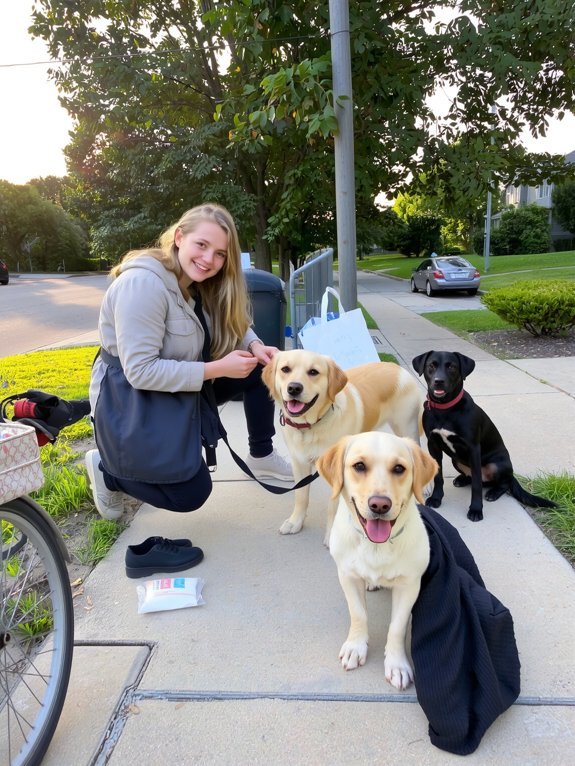
If you’re craving extra cash but don’t want to sit through another boring online course, try walking dogs and pet-sitting instead — you get paid, you get fresh air, and you get ridiculous amounts of unconditional affection. You’ll love the side hustle benefits: flexible hours, instant mood boosts, and exercise you actually enjoy. Picture leash in hand, wet nose against your knee, sun on your face, and a grateful text from a pet owner detailing their relaxed pup. You’ll learn pet owner expectations fast — timely updates, safe handling, and little things like favorite treats. I promise it’s doable, even fun. You’ll hustle, earn, and come home tired in the best way, fur on your clothes.
Setting Your Rates and Pricing Packages

When you start pricing your pet-sitting services, think like a business owner and a neighbor who knows how much kibble costs — not some mysterious guru. You do a quick competitive analysis, snoop gently on local rates, and scribble numbers while the dog drools on your shoe. I tell clients straight: base walk, add-on pup play, overnight stay. You’ll test pricing strategies—flat fees for walks, tiered packages for busy weeks, discounts for repeat bookings. List clear inclusions: feeding, meds, photos, porch time. Say your price confidently, don’t apologize. Track time, mileage, treats you buy, and adjust monthly. Be fair, be savvy, and yes, charge enough to pay yourself and still buy that fancy kibble.
Building a Professional, Trustworthy Profile
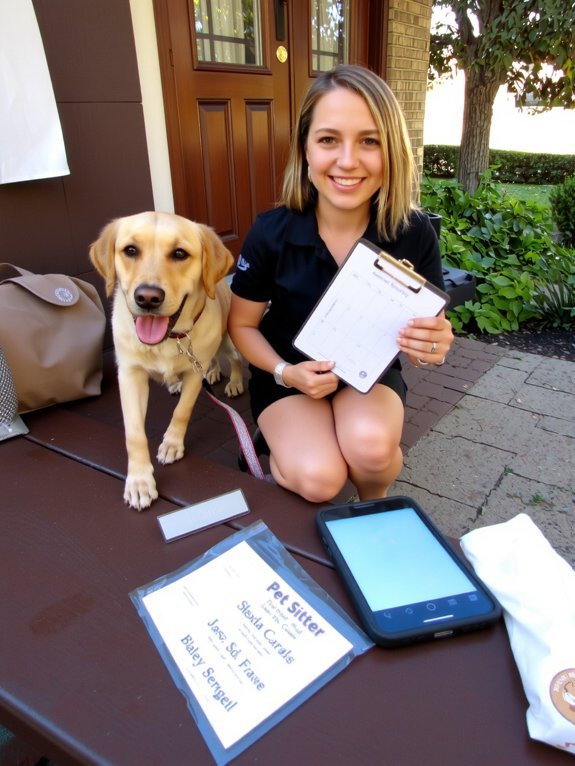
Because trust starts before you knock on the door, you’ve got to build a profile that reads like a friendly neighbor who also happens to be a responsible grown-up. I keep it simple: a clear profile picture, short bio, and honest client testimonials. You’ll sound human, not robotic. Mention vet training, walking style, favorite treats—smell of wet fur, jingling tags, confident leash hand. Be warm, but crisp.
| What to show | Why it works |
|---|---|
| Bright profile picture | Instant likability |
| Short bio | Quick trust bridge |
| Services list | Clarity sells |
| Availability | Avoids surprises |
| Client testimonials | Social proof, real relief |
Write like you’d want someone watching your own dog—steady, funny, ready.
Finding Clients: Apps, Local Marketing, and Referrals
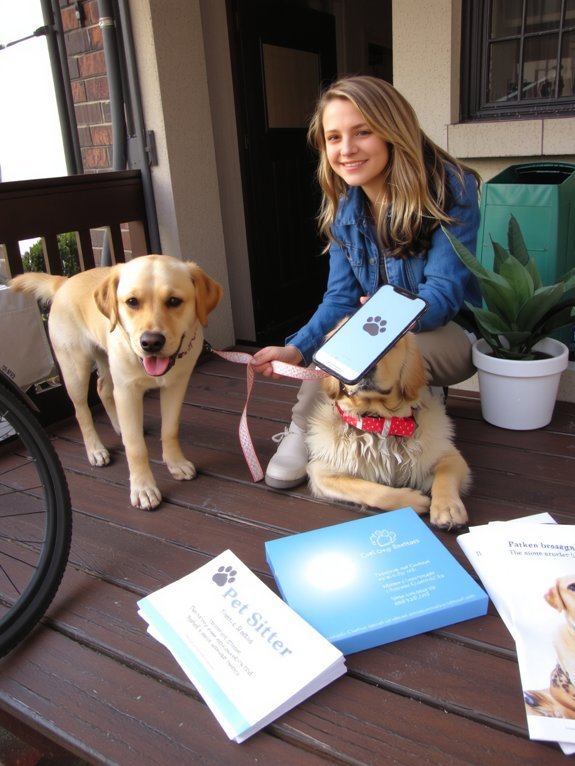
You’re going to grab clients in two fast ways: sign up on pet-sitting apps that put your smiling face in front of pet parents, and work the neighborhood with flyers, coffee-shop chalkboards, and a few polite door-knocks. I’ll show you how to pick the best apps, write a profile that actually gets bookings, and craft local posts that make people call—yes, even Karen at the groomer. Stick with me, we’ll make your calendar look full and your treat jar look worryingly empty.
Use Pet-Sitting Apps
If you’ve ever scrolled past cute dog photos and thought, “I could get paid for this,” good news: you can—via apps that put pet owners and sitters together faster than a Labradoodle at the treat jar. I tell you, pet sitting platforms and mobile applications are your fast lane. You’ll tap profiles, read sniff-worthy reviews, and book gigs between sips of coffee. Set a crisp bio, upload bright photos, list services, and prompt a quick intro message—people love warmth, not mystery. You’ll get alerts, map routes, and confirm drop-in visits with a thumb. Payments clear without awkward cash handoffs. Start small, earn steady rave reviews, then watch requests stack up. It’s efficient, low-overhead, and oddly addictive.
Local Marketing Tactics
Three simple tactics beat shouting into the void: flyers, neighborhood networking, and a little old-fashioned charm — and I’ll show you how to use each one without embarrassing yourself. You’ll post crisp flyers at vet clinics, chat up neighbors at community events, and wink at social media without sounding like a spam robot. Touch paper, smell ink, say hi. Offer a free 15-minute intro walk, bring treats, collect testimonials.
| Tactic | Action | Quick Tip |
|---|---|---|
| Flyers | Pin at shops | High-traffic spots win |
| Networking | Attend events | Bring treats, ask names |
| Social media | Post videos | Show pets, not price |
| Referrals | Reward clients | $10 off next walk |
Do it daily, be visible, stay human, and clients will come.
Insurance, Contracts, and Legal Basics
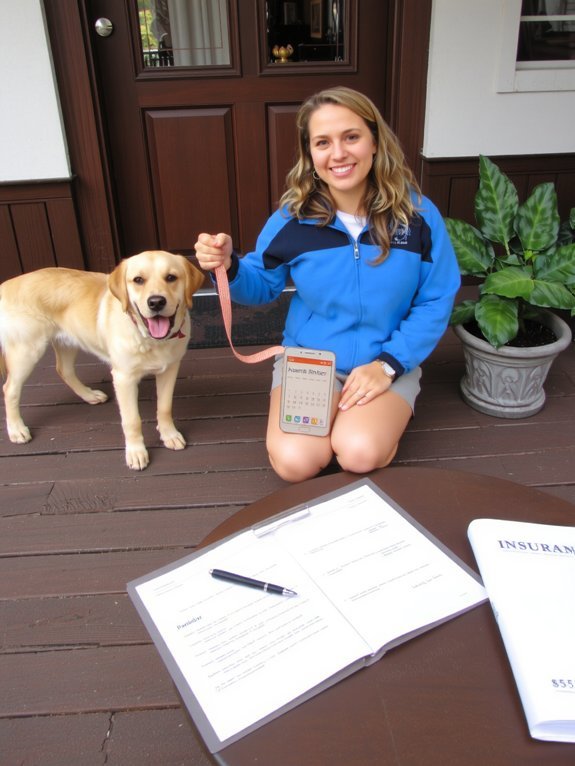
When I started pet sitting, I figured charm and a steady hand were enough; I learned fast that charm won over pets, but paperwork keeps me sleeping at night. You’ll want liability coverage, plain and simple — it protects you if a dog bolts, a cat scratches a guest, or someone trips over a leash you left on the porch. I sign pet care contracts before the first meet-and-greet, they spell out feedings, meds, keys, and emergency vets, no awkward guessing. Get basic business licenses, check local ordinances, and consider bonded services so clients trust you with their homes. Keep copies, scan everything, and run a short intake chat that’s part contract, part coffee date. Legal basics aren’t sexy, they’re sanity.
Handling Safety, Health, and Behavior Issues
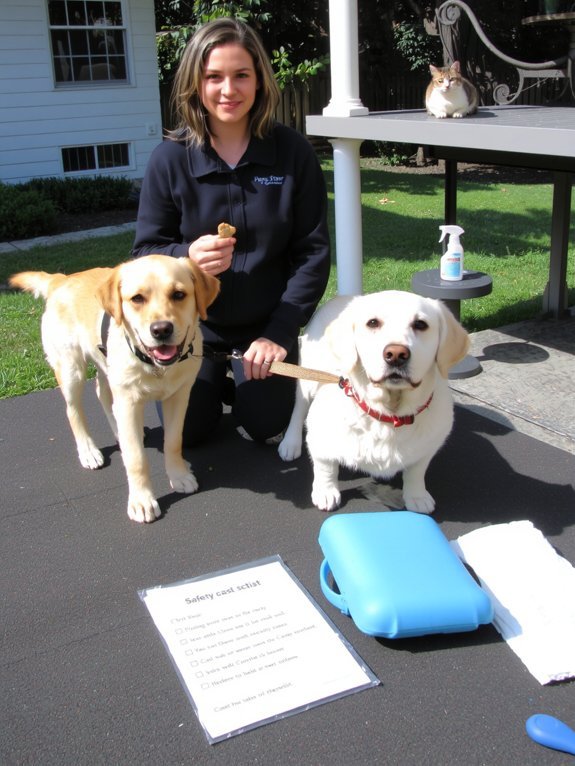
You’ll keep walks safe by shortening routes when the pavement’s hot, using a sturdy leash, and watching for loose dogs or sudden traffic — think of it like babysitting with paws and more sniffing. Learn the quick signs of illness, like drooling, lethargy, or a sudden limp, so you can call the owner or vet before a small problem becomes a disaster; I’ll show you what to look for. And when a pet snaps or guards, stay calm, create space, use a firm no, and have a backup plan — you’re the steady human in the room, not a superhero, but you’ll handle it.
Preventing Injuries on Walks
If you’re going to be out there with a leash in one hand and a coffee gone lukewarm in the other, you’d better know how to keep both of you intact; I’ve nearly face-planted into a poodle chasing a squirrel, so I speak from bruised-knee experience. Stay sharp on leash safety, use a sturdy clasp, short lead in crowds, and check for frayed webbing. Watch footing, terrain awareness matters—rocks bite, wet grass hides holes. Keep pet hydration handy, offer water before collapses happen. Respect weather considerations: bake-proof paws in summer, layered jackets for shivers. Read pet behavior, that tail twitch is a red flag. Carry a compact first aid kit, learn basic wound care, and say aloud, “Easy, buddy,” like you mean it.
Recognizing Illness Signs
How do you know the dog’s limp is just dramatic flair and not a trip to the emergency vet? You watch, you smell, you feel for heat, you time breaths. Symptom recognition matters, and illness prevention starts with small habits: noting appetite, energy, coughs, sneezes, vomiting. Trust your gut, and document.
| Sign | What to notice |
|---|---|
| Limp | Favoring a paw, yelps, swelling |
| Appetite change | Skipping meals, drooling oddly |
| Respiratory | Fast breaths, coughing, wheeze |
| GI upset | Vomit, diarrhea, painful belly |
Speak calmly to the owner, give exact observations, and suggest vet follow-up when signs persist. You’ll look smart, stay safe, and keep clients smiling.
Managing Aggressive Behavior
When a dog snaps, growls, or suddenly corners you, don’t freeze like a deer in headlights—breathe, back away slowly, and take in what’s really happening. I’ll tell you like a pro who’s tripped over toys: spot aggressive triggers—food guarding, sudden touch, strangers—and read the whole body, tail, hackles, mouth. Stay calm, speak low, move predictably. Use calming techniques: avert gaze, slow pats under the chin if allowed, toss treats to create space. If a dog lunges, turn sideways, shield your limbs, and call the owner, confidently, not panicked. Get a muzzle or towel ready for transport, and always document incidents. You’ll keep clients happy, dogs safer, and your wallet intact — you’re competent, not reckless, and that sells.
Growing Your Business and Encouraging Repeat Clients
Once you’ve nailed the basics—happy pets, on-time arrivals, and fewer chewed shoes than promised—you’re ready to grow, and yes, that’s the fun part where you get to be part marketer, part therapist, and full-time animal whisperer. You’ll build client loyalty with little rituals: text photo updates, a favorite treat on arrival, and a calendar reminder for birthdays. Those tiny touches turn first-timers into repeat business, simple as that.
| Service Perk | Frequency | Outcome |
|---|---|---|
| Photo updates | Daily | Trust boost |
| Loyalty discounts | After 5 visits | More bookings |
| Personalized notes | Post-visit | Emotional connection |
Keep a tidy follow-up routine, ask for reviews, and wink at their dog — you’re unforgettable.
Time Management and Managing Multiple Pets
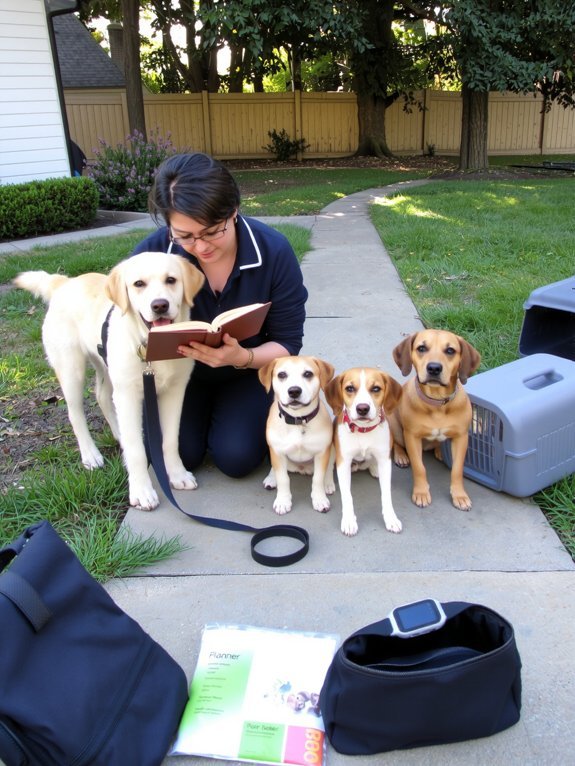
Juggling three leashed dogs, a cat who only tolerates you for treats, and a terrarium that screams “don’t overwater me,” you’ll need a plan that’s part choreography, part crowd control. I’m going to tell you how to juggle without dropping anyone. First, create routines, set time blocks, and build in scheduling flexibility for clients who freak out about weather. Prioritizing tasks matters: meds and potty breaks before cuddle time. Use checklists, apps, and a clipped verbal script—“Lucy, sit. Now, Milo, meds.” Walk routes should loop efficiently, snacks in separate zip bags, leashes clipped to a belt. Shift with a quick reset: towel, water, note for the owner. You’ll move faster, stay calm, and look like a pro—even when you smell faintly of wet terrarium moss.
Conclusion
You’ve got this — start small, stay reliable, and let every wag, purr, and relieved client testimonial do your marketing for you. I’ll be blunt: treat it like a mini business — clear rates, solid contracts, insurance, and the patience to handle a nervous Yorkie at 6 a.m. Offer perks, ask for referrals, and automate bookings so you don’t drown. Build trust, keep learning, and soon you’ll be busier than a squirrel at a peanut festival.