
I once snagged a free latte and a $25 payout just for pretending to be a confused customer—think of it as paid eavesdropping, but legal and with better snacks. You’ll learn to spot tiny details, jot discreet notes, snap a few photos, and answer a checklist without sounding like a robot, all while actually enjoying the walk-in, the smell of coffee, the cashier’s awkward smile; I’ll show you where to find legit gigs, what gear to bring, how payments work, and how to avoid the scams that’ll waste your time.
What Mystery Shopping Involves and What to Expect

If you’re picturing yourself sneaking around stores in a trench coat, you’re partly right—only the trench coat is usually a nice sweater and the sneaking is just paying very close attention. You’ll learn mystery shopping basics fast: observe staff, clock times, test service scripts, and capture tiny details, like the coffee’s smell or a squeaky cart wheel. I’ll tell you the expectations overview straight—reports must be precise, deadlines tight, photos clear, and honesty non-negotiable. You get paid per visit, sometimes reimbursed for purchases, sometimes not. It’s part detective work, part customer service boot camp, and yes, occasionally embarrassing when you ask for the manager twice. You’ll leave with notes, receipts, and a quiet grin.
Where to Find Legitimate Assignments
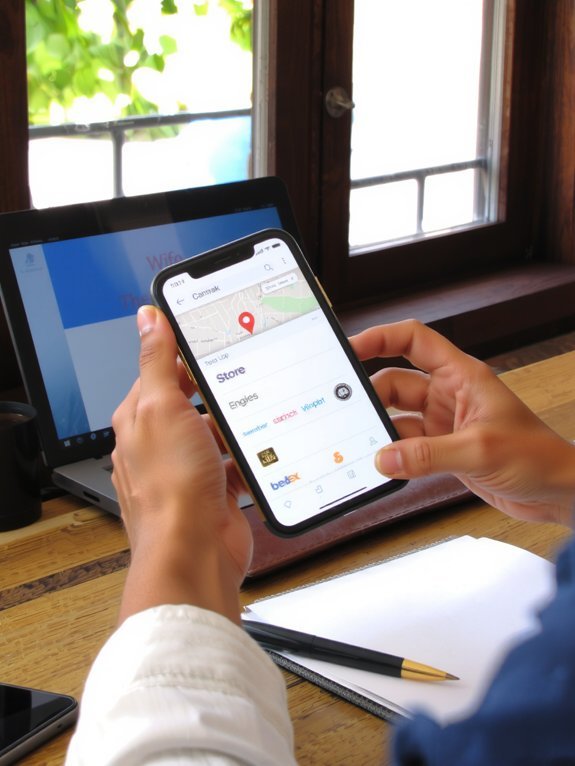
While you’re scrolling job boards and dodging sketchy “mystery shopper” emails, I’ll save you time: start with established companies, not random strangers in a Facebook group. I mean it — go to known mystery shopping websites, sign up, verify your profile, and read reviewer notes like you’re checking a recipe before baking. Turn on assignment alerts so gigs come to your inbox, not just your nerves. Check corporate programs, retail chains, and restaurant chains’ vendor pages; they often list approved firms. Ask for sample contracts, phone a rep, and smell the coffee—literally, if you’re verifying a café. Keep receipts, take crisp photos, and trust your gut: if it feels off, walk away. You’ll thank me later.
Essential Skills and Tools for Success
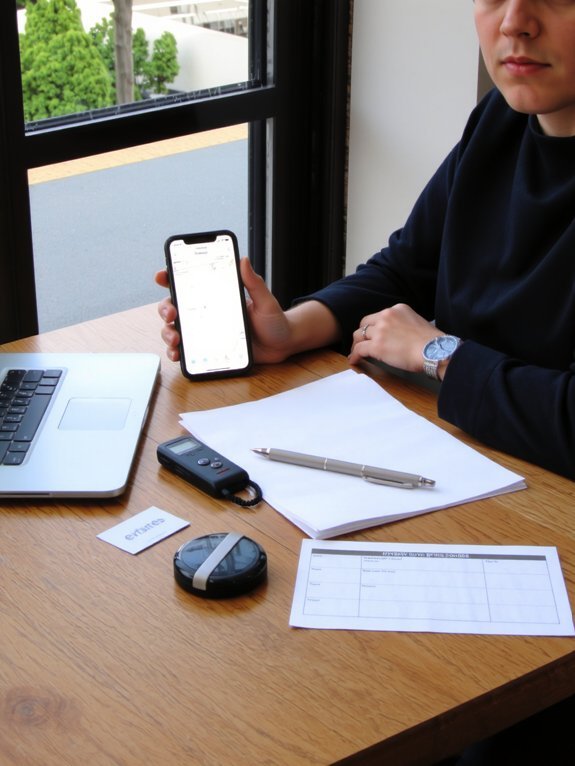
Three things make the difference between a paycheck and a paperweight: sharp observation, airtight notes, and the right gear — and I’ll show you how to get them without becoming a gadget hoarder. You’ll train your senses, notice how a floor smells, how staff handle a smile, and score customer service moments that others miss. Take notes like a surgeon, precise, quick, readable.
| Skill | Tool |
|---|---|
| Observation | Smartphone camera |
| Note-taking | Compact notebook |
| Timing | Stopwatch app |
| Discretion | Neutral clothing |
You’ll practice attention to detail daily, rehearse friendly lines, and learn to be invisible when needed. I’ll keep it fun, honest, and practical — you’ll leave assignments richer, not exhausted.
How to Prepare for and Complete Assignments
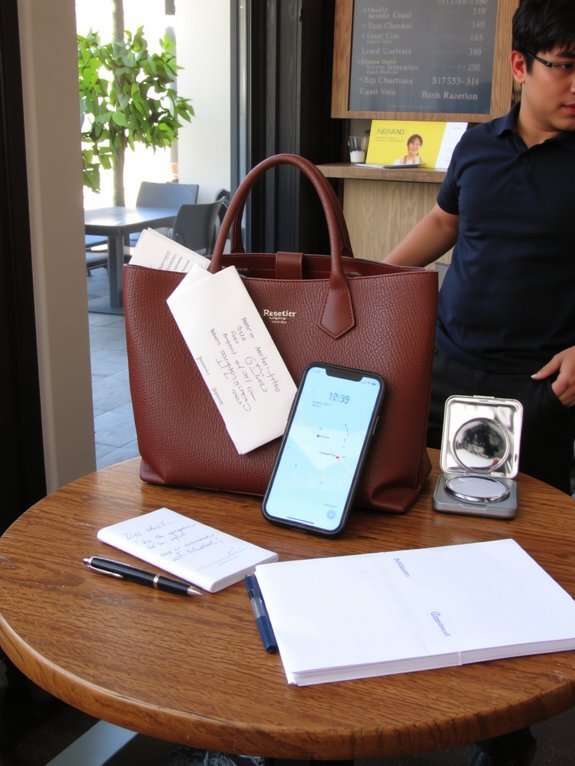
You’ve got the brief, so read it like it’s treasure map — note times, tasks, and any photo rules before you leave the house. Bring a sharp pen, your phone camera, and a quiet eye, because you’ll need to capture smells, sounds, receipts, and tiny details that others miss. When you report back, be precise and honest, spell out what you saw, and don’t be afraid to say, “I’m nitpicky, because that’s the job.”
Know Assignment Requirements
If you want to get paid and not flub a report, start by reading the assignment like it’s a treasure map—slow, with a pencil, and maybe a tiny dramatic gasp when you spot the clues. I tell you, I circle the due date, note required photos, and underline tricky bits. Check assignment guidelines first, then parse task expectations like a detective with a notepad. Ask questions if anything’s fuzzy, don’t pretend you understood. Pack props you’re allowed, rehearse your cover line, breathe into the scene. Visualize the route, the store lighting, the smell of coffee, the staff pace. When you arrive, stick to the script but stay observant. Trust the map, trust your instincts, and keep it tight.
Document Findings Accurately
While I’m sneaking receipts into my pocket and pretending not to stare at the display, I make a point of writing everything down fast and true, because sloppy notes mean no pay and a lot of awkward “remember what happened?” texts later. You’ll want a small notebook or phone app, a pen that doesn’t quit, and nerves of mild steel. Jot timestamps, dialogue snippets, smells, textures, the clerk’s exact words, even the squeak of your shoes. That raw stuff feeds report writing, keeps your memory honest, and boosts data accuracy. Don’t paraphrase wildly, quote when you can, and snap photos where allowed. Then proofread before submission, crisp and ruthless—errors kill credibility, and credibility pays.
How Payment Works and Tracking Your Earnings
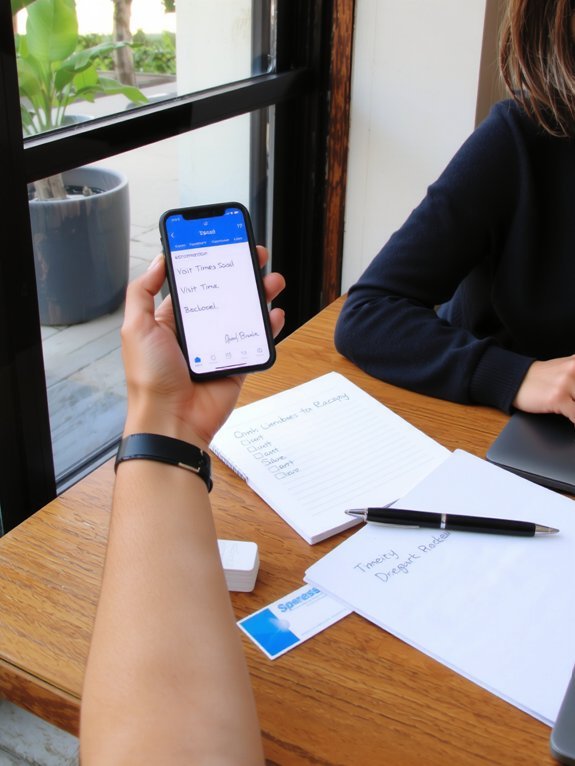
Let’s get this cash-talk out of the way: payments for mystery shopping usually arrive one of three ways — a direct deposit, a check, or a prepaid card — and knowing which one you’ll get saves you from mailbox anxiety and weird, pocket-crumb surprises. I’ll tell you how payment methods work, and how to handle earnings tracking without losing your mind. Set up a spreadsheet, or use an app, note job date, fee, reimbursements, and receipt photos. Mark pending versus paid, reconcile bank or card deposits, then archive proof. If a client says “payment sent,” don’t assume—check your account. I keep a weekly ritual: coffee, laptop, quick audit. It’s boring, but it pays.
Red Flags and How to Avoid Scams
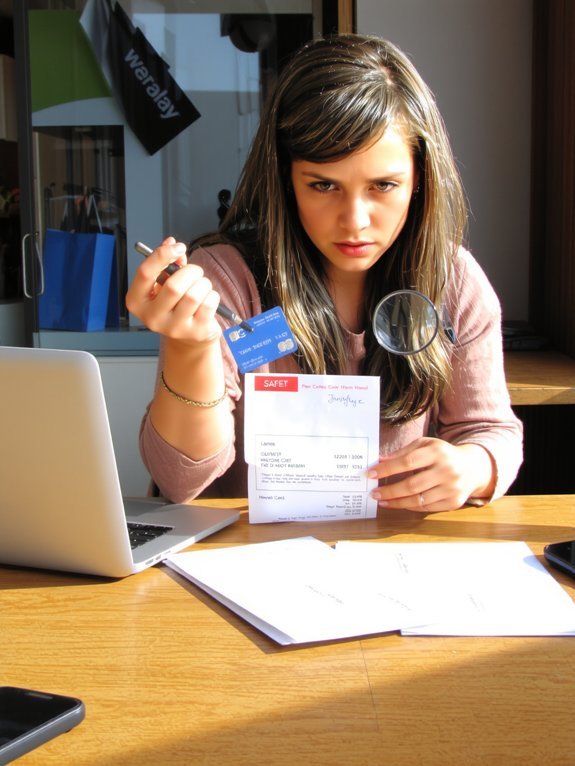
Three things will usually give a sketchy mystery shop away: asks for money up front, promises crazy pay, or wants your personal info like it’s a Tinder bio. I’ll tell you the red flags, and how to dodge scam tactics without sounding paranoid. Trust your gut, check reviews, and call the company if something smells off.
| Warning sign | What to do |
|---|---|
| Upfront fees | Walk away, report it |
| Unreal pay | Verify rates, ask peers |
| Vague company | Demand contact info |
| Personal data requests | Refuse, redact details |
| Pressure to act fast | Pause, research |
Keep screenshots, use official portals, and say no. You’ll spot scams faster than you think.
Conclusion
You can do this—no fancy degree, no secret handshake. I’ll be honest: it’s awkward at first, slipping into a café booth pretending to be a regular, eyes peeled, pen ready, camera tucked like a spy; you’ll feel silly, then sharp. Stick to legit sites, read briefs, take crisp notes, submit on time, and the money follows. It’s flexible, surprising, and oddly addictive—kind of like dessert you didn’t know you needed.