
You can turn fast, accurate typing into cash without dressing up or pretending to be a “data guru,” and I’ll show you how to do it smart—where jobs hide, what tools actually help, and how to avoid scams. Picture a neat desk, earbuds on, fingers flying over keys while you clip receipts into tidy rows; it’s practical, oddly satisfying, and pays better than you think. Ready for the real steps?
Why Data Entry Is a Viable Side Hustle and Career Path

If you’re juggling a full-time job, school, or the delightful chaos of adulting, data entry’s the quiet, reliable sidekick you didn’t know you needed; I’ll say it straight—this work pays for groceries, rent bumps, and the occasional guilty-pleasure latte without requiring a college degree or a tuxedo interview. You’ll like the clear rhythm, the click of keys, the small wins when rows align. The data entry benefits show up as steady pay, predictable hours, and career flexibility that lets you carve time for life. I’ve sat with spreadsheets at midnight, laughed at my typo, then fixed it — satisfying, oddly zen. Start simple, build speed, take tiny risks, and watch those hours turn into a dependable income stream.
Where to Find Legitimate Data Entry Jobs
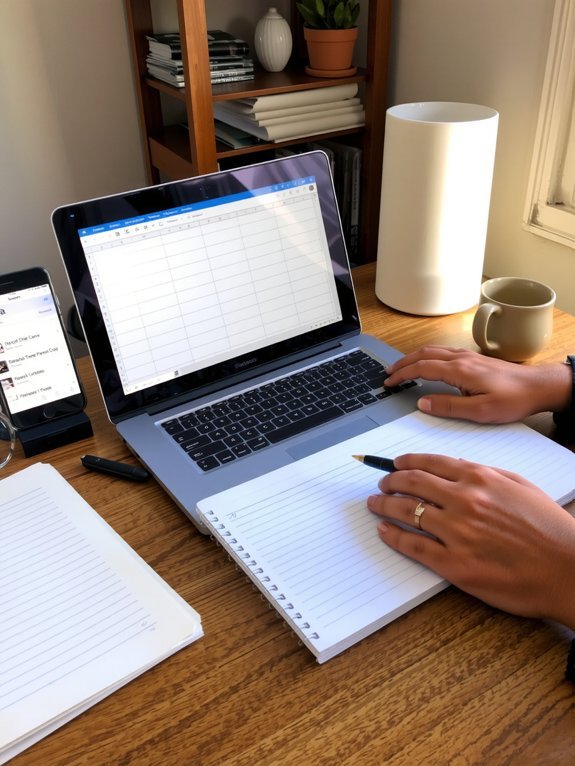
Where do you actually find the legit gigs that pay decently and don’t vanish into the internet ether? I’ll tell you: start on reputable freelance platforms and niche job boards, not sketchy Craigslist ads. Scan Upwork, Fiverr, and PeoplePerHour, filter by repeat clients and strong reviews, sip coffee, and read profiles like a detective. Check industry-specific job boards for transcription, medical billing, and remote admin roles—those listings often pay steadier. Network in LinkedIn groups, toss a friendly message to hiring managers, and post a clear sample task so clients know what you do. Trust your gut: if a posting promises crazy pay for little work, walk away. Save screenshots, track applications, and follow up—consistency wins.
Essential Skills and Speed-Building Techniques

Because speed without accuracy is just noisy typing, you’ve got to build both together — and I’m going to make you enjoy the process, grudgingly. I show you drills that sharpen typing speed, and tiny hacks that train your fingers to remember the keys like a tune. You’ll practice short bursts, rest, then repeat, feeling the rhythm in your wrists, hearing the clack-clack settle into music. I nag about posture, but I joke while I correct you, because bad habits die laughing. Attention accuracy is nonnegotiable: proofread aloud, use consistent formats, and tally totals to catch stray digits. You’ll time yourself, track progress, and celebrate small wins. Stick with the routine, and clients will notice.
Must-Have Tools and Home Workstation Setup

You’ve built speed and accuracy like a stubborn muscle, so now let’s outfit the room where that muscle works. I’d start with a chair that hugs your spine, an adjustable desk that lets you stand, and a monitor at eye level — workstation ergonomics isn’t optional, it’s your back’s life preserver. Lay a soft wrist rest, get a quiet keyboard with tactile keys, and buy noise-cancelling headphones so you can pretend the neighbor isn’t drumming.
On the tech side, install essential software: spreadsheet tools, a reliable OCR app, backup and password managers, and a quick macro recorder. Keep cables tidy, lighting warm but bright, and a water bottle nearby. Little comforts keep focus, and focus earns dollars.
How to Price Your Services and Negotiate Rates
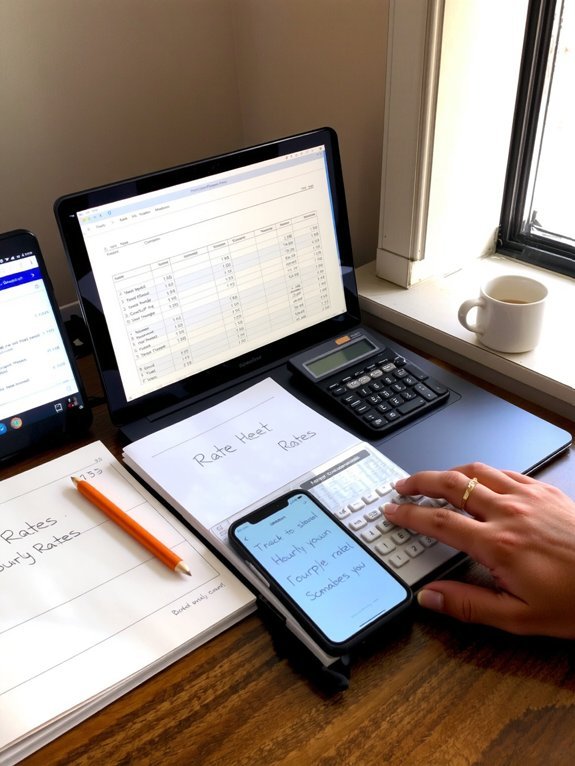
You’ll want to start by calculating a baseline rate that covers your time, expenses, and a sane margin for mistakes — I’m talking coffee, software, and the occasional “oops” refund. Then price different project types differently: hourly for messy cleanup, flat fees for simple batches, and premium for rush jobs, so clients know what they’re buying and you don’t undersell yourself. When they haggle, stay firm but fair, state clear terms — scope, revisions, deadlines, and payment schedule — and watch how fast respect (and invoices) start rolling in.
Calculate Your Baseline Rate
If you want to stop guessing and start charging what you’re worth, let’s build a baseline rate that actually pays the bills — not just covers the coffee. Start by listing your monthly costs — rent, software, a decent chair that doesn’t scream regret — then add desired profit and billable hours; that’s your baseline calculations, plain and simple. Test it on a timer: do three typical tasks, average the time, multiply by volume. Add a buffer for interruptions and revisions. Tell clients this rate confidently, then track wins and losses, so you can make smart rate adjustments later. I promise, once you see numbers on a spreadsheet, bargaining feels less scary and more profitable.
Price by Project Type
Because every job wears a different hat, price by project type so you’re not selling octopus rates for a goldfish task. You’ll map tasks — clean CSV imports, OCR cleanup, or messy legacy transcription — to tiers based on project complexity, then pick hourly rates or flat fees that match. Picture yourself squinting at a scrambled spreadsheet, stopwatch in hand, tasting stale coffee; that’s a higher tier. Light copy-paste? Lower tier, humming kettle, quick payoff. Tell clients the tier, scope, and estimated hours, so expectations line up. Don’t undercut yourself to win a gig you’ll resent. Offer a rate range, show what’s included, and keep it simple. You’ll look professional, earn respect, and make your work worth the coffee.
Negotiate With Clear Terms
A good contract is your best friend, stubborn and honest and smelling faintly of printer ink; I tell clients exactly what I’ll do, how long it’ll take, and what’s not on the table, then I stick to it. You’ll set prices by scope, not by vague promises, and you’ll use negotiation techniques that feel fair, firm, and a little sly. I sketch deliverables, deadlines, revision limits, and payment milestones on the page, then read them aloud like a magician revealing the trick. Say your rate, pause, smile, then listen. Use clear communication, write it down, and don’t cave to pressure. If a client balks, offer alternatives: smaller scope, higher cadence, or staged billing. You’ll leave confident, paid, and smelling slightly of ink.
Time Management and Productivity Strategies
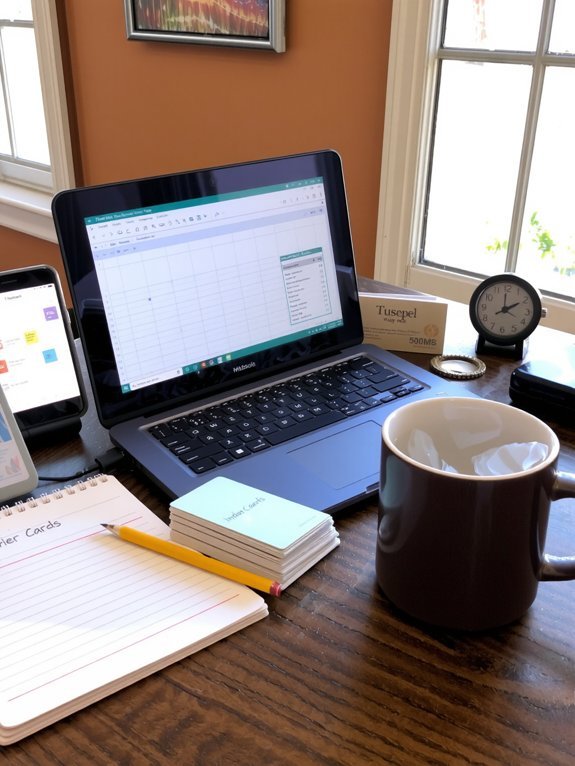
You’ll start by hunting down the tasks that actually pay the bills, then give them a big, priority sticker and do those first while the brain’s fresh. I’ll show you how to batch similar entries so you’re not switching gears every five minutes—think one rhythm, fewer mistakes, faster cash. And yes, we’ll shut down distractions (I mean the phone, not your cat), set timers, and make your work feel less like a slog and more like a focused sprint.
Prioritize High-Value Tasks
When I sit down at my keyboard, coffee steaming, inbox blinking like a tiny neon sign, I sort tasks the way a chef trims fat—fast, ruthless, and with an eye for what pays the bills; you’ll learn to spot the juicy bits. You’ll use efficient task management, and prioritization techniques that make deadlines beg for mercy. Scan for high-value work: paying clients, time-sensitive entries, error-prone files that need your laser focus. Say no, or defer the rest. Block short, intense windows, set a visible timer, and treat interruptions like flies at a picnic. Triage grows muscle memory; you’ll feel it in your shoulders, in calmer breath, in fatter paydays. Be practical, be picky, and enjoy the small victories.
Batch Similar Work
Ever tried chewing one bite of a sandwich, then switching to soup, then back to the sandwich and felt mildly unhinged? I have, and you don’t want your brain doing that with data. Batch similar work, you’ll group like tasks—names, invoices, or address cleanups—so your hands and eyes get into a rhythm. Use batch processing techniques, set clear chunks, and treat each chunk like a mini-shift. I time 25 minutes, breathe, then scan for errors with fresh eyes. Efficient data organization matters: folders named, templates ready, validation rules on. You’ll move faster, make fewer mistakes, and feel oddly satisfied, like finishing a puzzle. Trust me, batching is boringly brilliant, and your wallet will thank you.
Minimize Distractions
If you want to get through a stack of tedious forms without your brain staging a revolt, lock the door—figuratively or literally—and cut the noise. I tell you, I’ll clap for you if you silence your phone, close tabs, and shove tempting snacks out of reach. Try simple focus techniques: a 25-minute sprint, a timer ticking like a tiny coach, then a short break. Do a mini digital detox each day, shut off notifications, watch the light change, feel your shoulders drop. Make the room cool, the chair firm, the keyboard familiar. Say out loud, “Two hours, then cake,” and mean it. If your mind wanders, gently steer it back. You’ll hit rhythm, earn cash, and actually enjoy the hum of progress.
Red Flags and How to Avoid Data Entry Scams
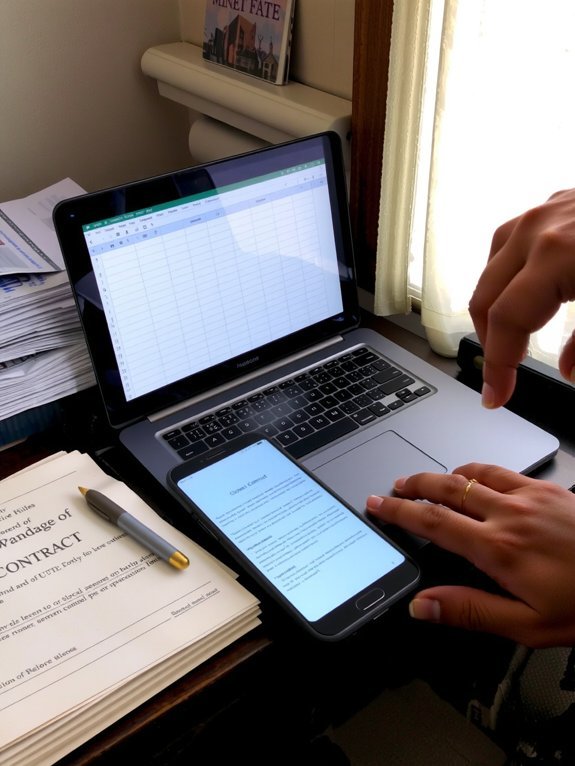
Curious how so many “data entry gigs” smell like a too-good-to-be-true yard sale? You’ll learn quick: watch for scam indicators like upfront fees, vague job descriptions, and promises of insane pay for tiny effort. I’ll tell you the deception tactics I’ve seen — fake testimonials, urgent pressure, and requests for personal banking info — and how to duck them. Trust your gut, pause, and google the company name, reviews, and BBB listings. Ask for a written contract, a real contact number, and sample tasks before you give anything. If they push, walk. Keep copies of correspondence, use secure payment methods, and set boundaries. You’ll stay safe, earn honest money, and keep your sanity intact.
Conclusion
You can do this. I started where you are — cramped desk, cheap lamp, shaky Wi‑Fi — and learned fast: 86% of employers say accuracy beats speed on first hire, so focus on clean work. Set a steady pace, sharpen your typing, pick solid platforms, and don’t take the first sketchy offer. Charge what you’re worth, document everything, and treat every file like your reputation. Do that, and the paychecks will follow.