


You can turn pet-sitting into steady cash without losing your soul, I promise—just quick walks, cozy naps, and the occasional drama with a yappy chihuahua. Picture yourself jingling keys, filling water bowls, snapping cheery update photos, and earning tips for remembering the meds—tiny victories that add up. I’ll show you how to price smart, build trust, and market like a pro, so you keep pets purring and your calendar full, but first—what kind of pet scares you most?
Why Pet Sitting Is a Flexible Income Option

Because you can set your own hours, pet sitting feels like a choose-your-own-adventure for income—no cubicle, no boss breathing down your neck. You get to stroll into mornings with coffee, leash in hand, decide on a midday cat nap instead of rush hour, and still make rent. Flexible hours mean you squeeze work around life, not the other way around. You’ll learn quick how a purring cat, a wagging tail, and a confident smile sell trust better than a glossy ad. I’ll admit, you’ll fumble walks at first, step in mud, laugh it off, and keep going. That messy, real rhythm builds credibility, steady clients, and a work life balance that actually feels like living.
Setting Competitive Rates and Fee Structures
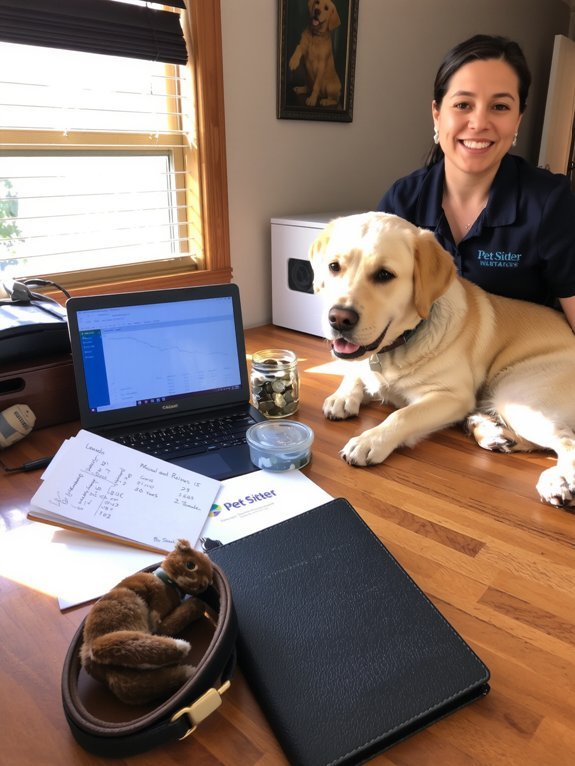
You’ve built rapport with neighbors and learned to laugh when a lab coats you in mud—great. Now set rates that make sense, not excuses. Do market research: check local listings, note weekend surcharges, holiday spikes, and mileage fees. Do competitor analysis, jot prices on a notepad, sip coffee, and see where you fit—premium, budget, or somewhere clever in between. Factor time, travel, number of pets, meds, and messy adventures. Offer base walk-and-feed, add-ons for grooming or overnight stays, and a clear cancellation fee that doesn’t sound like ransom. Test prices, listen to clients, tweak. Say your rates confidently, with that smile clients can almost hear. You’ll earn respect, repeat bookings, and fewer soggy trousers.
Creating Trustworthy and Professional Listings
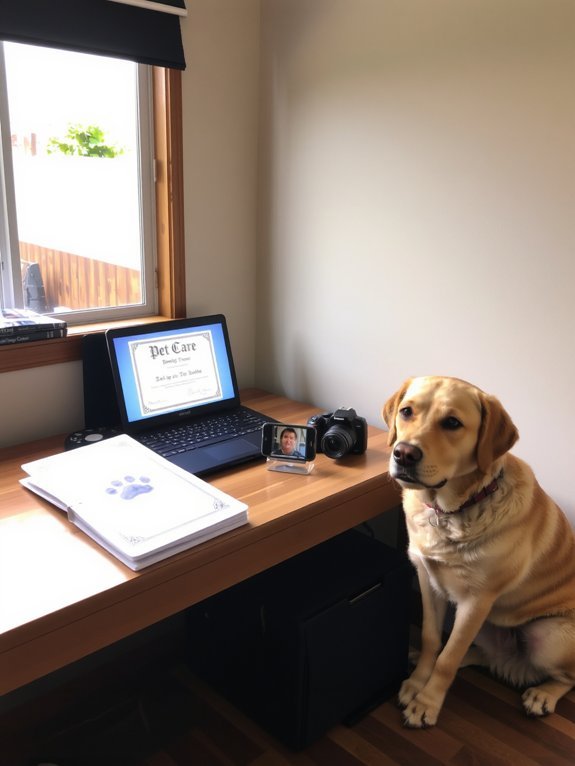
When I write a listing, I act like I’m introducing myself at a neighborhood block party—friendly, honest, and not afraid to tell the story behind the smile. You’ll hear my voice, see clear photos of me with calm dogs, and read short, true scenes: morning walks, puzzle-toy victories, confident nail trims. Use pet sitter profiles to showcase certifications, references, and a tiny, funny anecdote that shows you’re human. For listing optimization, pick strong headlines, sprinkle keywords, and format bullets so busy owners scan fast. Be specific about availability, rates, and communication style, don’t promise miracles. Honest photos, neat grammar, and a warm, confident tone build trust. Think like a neighbor, not a sales pitch, and people’ll call.
Essential Supplies and Pet-Care Routines
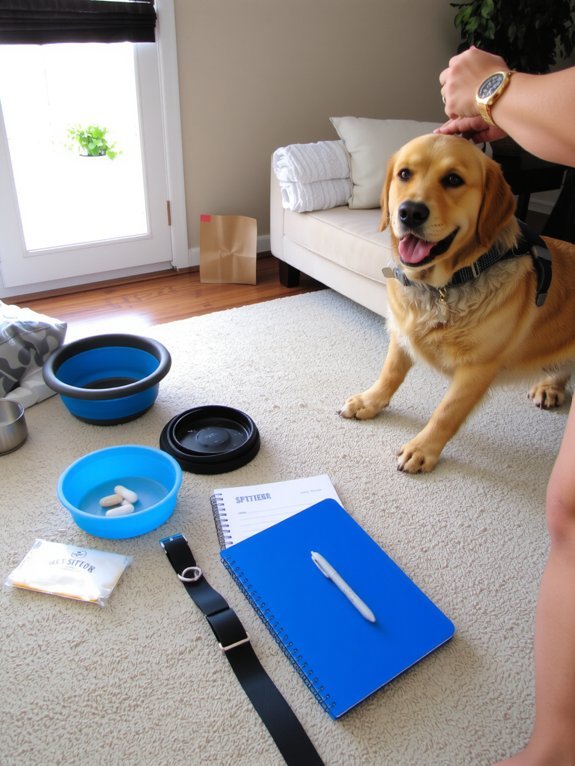
You’ll want a compact basic care kit—leash, scoop, spare meds, treats that smell like heaven—so you’re never caught fumbling while a dog gives you the side-eye. Use a daily routine checklist, tick boxes with purpose, and call it your tiny command center for walks, feedings, playtime, and litter maintenance. I’ll show you how to pack smart and run clean shifts that make clients grin and pets purr.
Basic Care Kit
One neat kit, packed into a tote, will save your sanity and your clients’ rugs. I toss in pet care basics and essential items like collapsible bowls, measured food scoops, a spare leash, and a tiny first-aid kit. I add tasty treats, stain wipes with a citrus zing, and a lint roller that fights fur like a tiny broom. I carry a small towel that smells like lavender, because everyone deserves calm fur. I keep a flashlight, waste bags, contact cards, and a damp cloth for matted paws. When I arrive, I pull out the kit, snap the zipper, and get to work—confident, slightly heroic, a little smudged with kibble, but totally in control.
Daily Routine Checklist
Three things start my visits right: a quick scan, a sniff check, and a smile for the pet who’s convinced I’m an underpaid celebrity. I jot timings, check bowls, and confirm pet feeding instructions, no guessing. You’ll carry spare kibble, treats, leash, poop bags, and a towel that’s seen better days. Walks follow the posted exercise schedules, leash clipped, pockets jingling, dog delighted. For cats, I refresh water, scoop litter, and offer a toy like it’s a peace treaty. You’ll log meds, note moods, and text a brief “all good” with a photo—owners adore proof. End each visit with one last sniff check, a pat, and a quick tidy, then move on, pockets lighter, heart fuller.
Handling Different Types of Pets and Special Needs
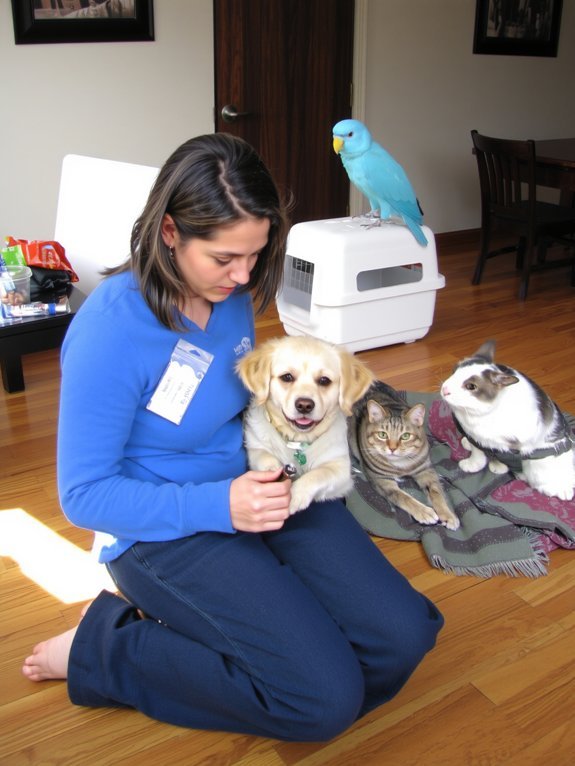
If you’ve ever walked into a client’s home and been greeted by a chorus of barks, a suspiciously judgmental cat, and a parrot who thinks your name is “Snack,” you know pet sitting isn’t one-size-fits-all — and that’s the fun part. You’ll meet exotic animals that need heat lamps and quiet, senior pets who move slow and love routine, and clients with special needs pets requiring meds or gentle lifts. Watch body language, ask about triggers, and address behavioral issues with calm consistency. Keep a checklist, practice injections or pill-pockets at home, and carry treats that smell like heaven. Be honest about limits, communicate clearly, and you’ll build trust, repeat bookings, and stories that make you grin (and occasionally duck).
Safety, Insurance, and Legal Considerations
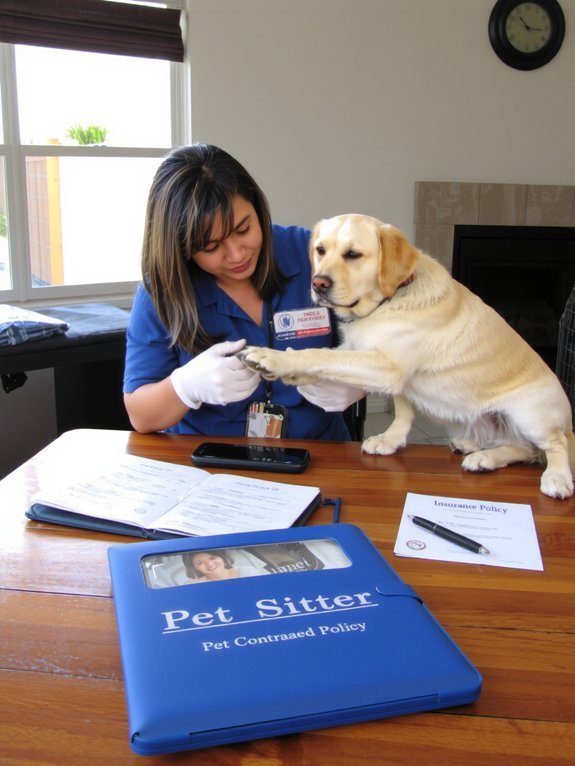
Because pets don’t come with instruction manuals and clients usually aren’t reading yours, you’re going to want rules, paperwork, and backups before you ever step through a front door — trust me, nothing kills a sunny walk faster than a frantic 2 a.m. call about a missing escape-artist ferret. You’ll set safety measures: double-checked harnesses, secure gates, and a pocket flashlight that’s seen better nights. Draft pet contracts, clear on meds, keys, and payment, then watch your stress level drop. Get liability coverage, it’s boring but saves your skin. Create emergency protocols, vet contacts, and a meet-up plan if someone bolts. Say what you’ll do, and what you won’t. Be blunt, be prepared, and keep a bandage in every pocket — you’ll thank me later.
Building Client Relationships and Repeat Business
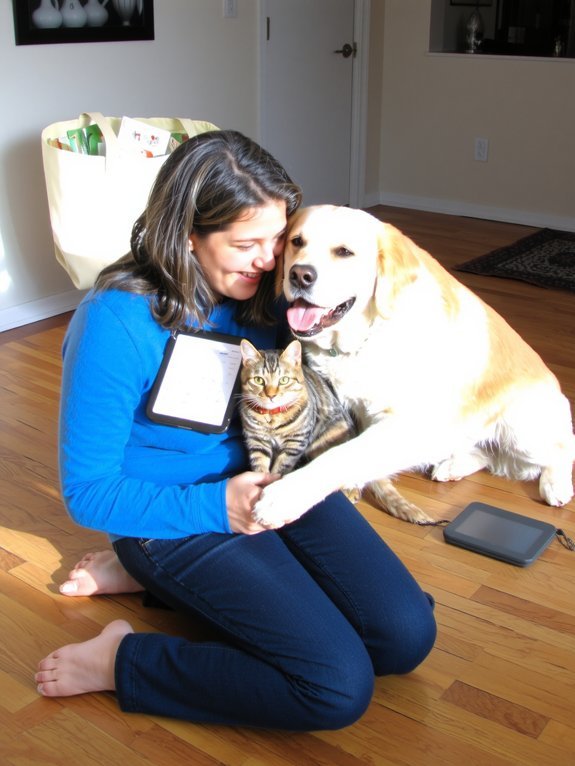
When you show up smiling, smelling faintly of kibble and confidence, you’re already halfway to a repeat client; the other half comes from proving you’ll treat their furball like family and their home like sacred ground. I keep notes, I snap a quick photo, I send a tiny voice memo after each visit — short, cheerful, specific. Good client communication means prompt texts, clear invoices, and asking the odd weird question, like “Does Mr. Whiskers prefer tuna or theatrics?” You build trust with consistency, small surprises, and honest mistakes owned fast. Offer simple loyalty programs — a free walk after five, a discounted holiday sit — and watch referrals bloom. Be reliably human, slightly goofy, and wonderfully professional.
Marketing Strategies to Attract Local Pet Owners
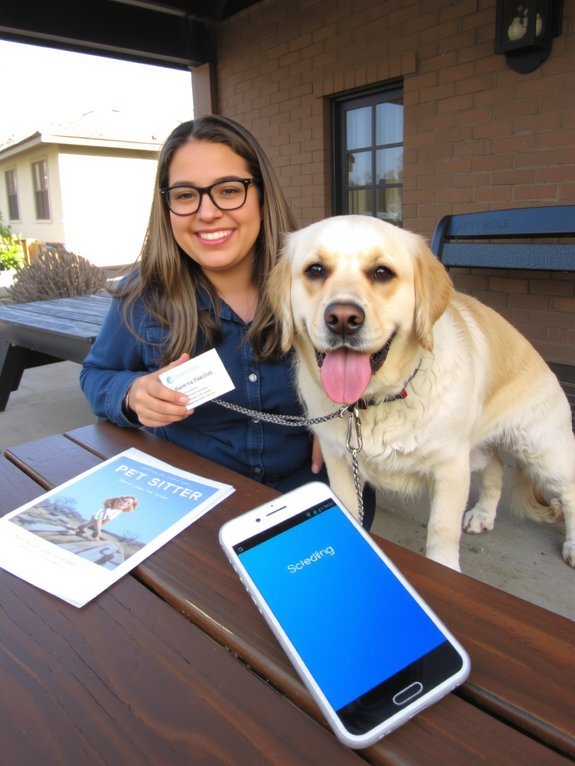
Okay, you’ve earned those repeat bookings, now go sell yourself — politely, loudly, and with treats. I’d walk into the dog park, hand out business cards that smell faintly of kibble, and actually talk to people. Post clear photos, short videos, and quick client testimonials on social media, tag neighborhoods, use local hashtags, and respond fast — like you’d fetch a ball. Pair up with groomers, vets, and pet stores for flyers, referral deals, and cross-posts; those local partnerships are gold. Offer a free 15-minute meet-and-greet, bring treats, and mention your insurance. Be visible, friendly, consistent, and slightly theatrical. Say what you do, show results, make them laugh, and make it easy to book. You’ve got this.
Scaling Up: From Solo Sitter to Small Pet-Care Business
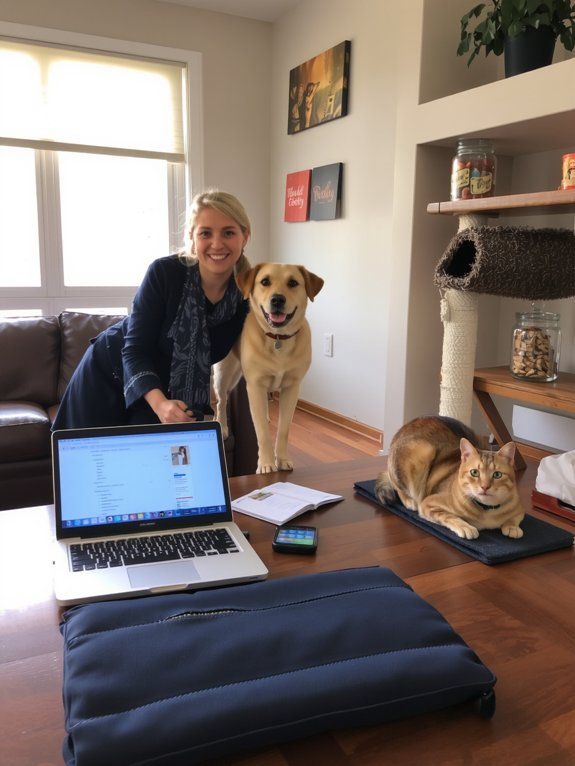
You’re ready to stop juggling leashes alone, so let’s talk hiring reliable help who shows up on time, loves dogs like they’re tiny roommates, and can follow your exact feeding-and-medication choreography. Then we’ll expand your menu—think overnight stays, grooming add-ons, and weekday daycare—so you’re not trading hours for dollars, you’re selling peace of mind. I’ll show you how to recruit, train, and price those services without turning your kitchen into an office (again).
Hiring Reliable Help
Once you’ve outgrown doing all the walks and litter scoops yourself, it’s time to put on your grown-up hat and hire help—preferably someone who actually likes dogs more than they like coffee. You’ll want candidates from reliable sources, not just your neighbor’s cousin who “loves animals.” Post clear gigs, run short phone chats, then meet in person with a dog and a cat present, watch how they react to a wag and a hiss. Ask for vet recommendations, check references, verify vaccination knowledge, and do a quick trial walk. Train them, give a written checklist, and set pay, boundaries, and emergency rules. Trust, but verify — you’re building a team, not auditioning actors for a soap opera.
Expanding Service Offerings
Hiring someone who won’t melt at the sight of a muddy lab was a big win, but now you want more than just walks and litter scoops — you’re thinking bigger, and so am I. You can add pet grooming, overnight stays, and specialty care, and charge for expertise, not just time. Upsell with package deals, train staff, and brand your van with a clever logo; clients love a tidy uniform and the scent of fresh shampoo.
| Service | Benefit |
|---|---|
| Dog walking | Daily exercise, reduced anxiety |
| Pet grooming | Clean coats, happier pets |
| Overnight care | Peace of mind, routine maintained |
| Training support | Better behavior, repeat bookings |
Scale slowly, keep standards high, and enjoy the chaos.
Conclusion
You’ve got the playbook now — think of yourself as the neighborhood’s Mary Poppins with a leash: reliable, a little magical, and always on time. You’ll set fair rates, pack treats, and send selfie updates that make owners cry happy tears. Start small, learn fast, charm pets and people, then scale when your calendar refuses to stop filling. Do this right, and you’ll be cashing checks while smelling like wet dog and victory.


