


They say anyone with a red pen can edit—let’s test that, and I’ll show you what actually pays. You’ll learn to spot messy sentences like a chef spots a burnt crust, fix tone without killing voice, and pitch with confidence so clients stop ghosting you; I’ll walk you through portfolios, rates, and the exact phrase that wins jobs, but first, let’s clear one tiny misconception that’s quietly costing you clients.
What Skills Clients Look For
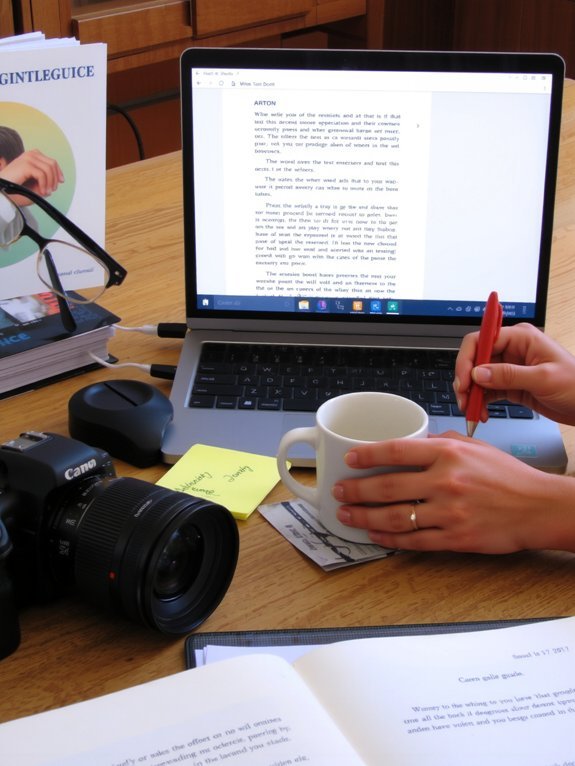
Think of me as your mercilessly honest editor friend — I’ll tell you what clients actually want, not what your English teacher once praised. You need razor-sharp communication skills, plain and quick, so clients understand timelines, edits, and why you rejected their favorite comma. They want obsessive attention detail, the kind that spots a missing serial comma in a midnight PDF. Show you can explain changes, calm panicked authors, and send annotated files that smell like care. Be punctual, polite, and ruthless with sloppy prose. Read aloud, click tracks, flag inconsistencies, deliver clean drafts that feel like polished silver. Say when you can’t, and offer a fix. I’ll grumble, you’ll improve, clients will cheer — and pay.
Building a Portfolio That Sells

You want clients to see your sharpest work first, so I tell you to lead with projects that sparkle and actually solved a problem. Show niche-specific examples — a clean line edit for a memoir, a punchy marketing rewrite for a tech startup — and write short, clear project notes that say what you did, why, and what changed. Don’t over-explain; let the results, a quick before-and-after snippet, and a confident one-liner sell you.
Showcase Your Best Work
Portfolio time — the part where your work stops being a rumor and starts being a paycheck. You pick the clearest before-and-after edit, crop to the sharpest paragraph, and build a portfolio presentation that sings; you want clients to nod, not squint. Include client testimonials next to projects, short, specific, believable — names, results, a tiny quote that zings. Show samples as downloadable PDFs, quick page flips, or a tidy gallery with captions that smell like confidence, not sweat. Tell a little story for each piece: the problem, your move, the happy ending. Sprinkle in a line of self-aware humor — you’re professional, but human. Finish with a call to action: “Want this for your copy?”
Niche-Specific Examples
If you’re aiming to sell your services instead of just showing them, niche-specific examples do the heavy lifting — they turn vague “editing skills” into something a client can actually picture using. Think like a grocery store shelf: label samples clearly. Show healthcare editing with redlined patient leaflets, academic editing via tightened abstracts, marketing copy with punchy headlines, technical writing by clarifying manuals, and creative writing through polished openings. Add e commerce content that converts, non profit publications that feel human, travel writing that smells like rain on pavement, legal documentation cleaned for readability, and podcast transcripts made scannable. You’ll narrate each sample briefly, mention the problem, your fix, and the outcome — concrete, tidy, persuasive. Simple, vivid, sold.
Clear Project Descriptions
Because clients don’t buy vague boasting, I show them exactly what I did, why it mattered, and what changed—fast. You’ll read a short scene: me, keyboard clicking, coffee steaming, client on Zoom saying, “We need clarity.” I list the project scope in plain bullets, then name deliverables, deadlines, and real metrics. You’re showing what tools you used, the pain you fixed, and the before-and-after you created. Say “reduced turnaround from five days to two,” don’t blab. State client expectations up front, then explain how you met or reset them. Keep it tight, sensory, useful. A clear description sells competence, calms nerves, and makes hiring you feel like the smart, obvious choice.
Setting Your Rates and Payment Terms

When you’re ready to charge for your time, don’t flinch — decide what you’re worth and say it out loud, like ordering coffee with confidence. I’ve run a quick competitive analysis, tasted the market like a picky barista, and set pricing strategies that don’t insult me or scare clients off. You’ll pick hourly, per-word, or per-project, state turnaround times, and list revisions — crisp, visible, non-negotiable. Ask for deposits, stagger payments, or use milestones; get invoices out smelling of professionalism, not desperation. Say payment methods, late fees, and cancelation rules. Speak plainly in contracts, then follow up with a friendly text: “Ready when you are.” Be firm, be fair, and watch steady cash flow replace awkward negotiations.
Finding and Pitching to Clients

Hunting clients feels like dating in a crowded café — loud, a little awkward, and best approached with a game plan and good coffee. You’ll stand, scan, and smile, but don’t just hope someone notices. Do targeted client outreach: research publications, agencies, indie authors, then send short, personalized pitches that show you read their work, point out one clear edit idea, and offer a quick sample. Use effective networking too, but ditch business-card awkwardness; comment on panels, DM after webinars, and follow up with value, not just “hi.” Be playful in your opener, crisp in your ask, and always include rates or a time estimate. I’ll admit I’ve flubbed follow-ups; learn from me — be persistent, polite, precise.
Tools and Workflow for Efficient Editing

You’ve hunted down the clients and sent your clever little pitches — now you need a system that won’t make you cry into your coffee at 2 a.m. I keep a clean desk, a noisy kettle, and reliable editing software that highlights my sins in neat colors. Open files, track changes, leave cheeky comments, save backups before I do anything dumb. Use a simple project management board, timelines pinned like sticky notes, deadlines that ping me awake (the kind that shame you into action). I split tasks: read, edit, fact-check, polish. I batch similar jobs to stay in rhythm, close tabs when focus matters, breathe, and then cut. Clients get tidy drafts, I get paid, and the kettle gets cold—again.
Specializing to Stand Out
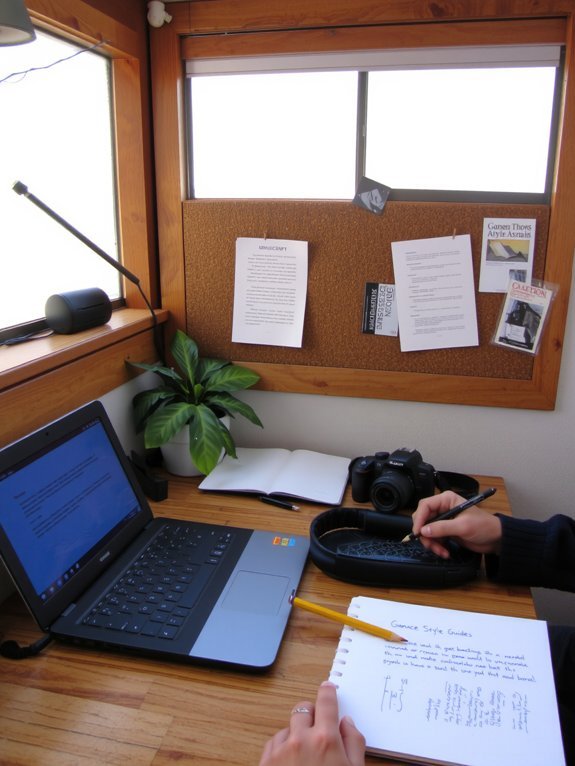
A handful of niches will save your sanity and your bank account, so pick one like you’re choosing a favorite mug — something you’ll reach for every morning. You’ll feel the heft, the warm rim, that click of habit. I say this because targeted specialization turns you from “editor” into an expert clients hunt for, plain and simple. Lean into formats or subjects you love — medical copy, sci‑fi manuscripts, grant proposals — and list the tidy reasons why on your site. Offer unique offerings, like a style guide teardown or sample pass, so prospects see value fast. You’ll smell coffee, open files, mark sentences with clear intent. Be bold, be a little weird, and let your niche do the talking.
Growing Your Business and Repeat Work

Once you’ve carved a niche, don’t sit back like a cat on a sunny windowsill — get up and tend the plants, water the leads, and let repeat work grow. I tell you, client retention beats cold outreach, it’s cozy, lucrative, and less awkward. Send thank-you notes, ask for feedback, offer fast turnarounds, and sprinkle in referral programs like confetti. Build rituals: monthly check-ins, bundled rates, small freebies that smell like care. Keep a simple CRM, track birthdays, remember pets’ names if needed — humans respond to warmth. Here’s a tiny table to feel the pulse:
| Heartbeat | Habit | Reward |
|---|---|---|
| Call | Check-in | Trust |
| Note | Feedback | Loyalty |
| Gift | Referral programs | New leads |
| Speed | Consistency | Repeat work |
Conclusion
You can do this. I’ve seen beginners turn picky commas into steady paychecks, so don’t say you need a degree — you need hustle, tools, and taste. Picture yourself at a sunlit desk, coffee steam, file after file getting cleaner; send a sharp pitch, set fair terms, and keep one loyal client longer than your houseplant survives. It’s messy, rewarding work — and yes, you’ll get paid. Start today.


