
You’ll learn to turn listening into cash, one clear audio clip at a time—think headphones, fast fingers, and coffee-stained notes. I’ll walk you through what clients want, the gear that saves hours, and the shortcuts that make your typing sing, while you build a profile that actually gets hired. It’s practical, a little cheeky, and yes, you’ll mess up at first—stick with me and you’ll see how to scale this into steady pay, starting with one smart gig.
What Transcription Work Involves and Who Hires Transcribers

If you like eavesdropping for a living—and who doesn’t, secretly—transcription is basically that, but legal and with a paycheck. You listen, you type, you rewind, you curse the tiny cough, and you turn spoken mess into readable sense. The transcription process is part muscle memory, part detective work; you’ll hunt accents, chase timestamps, and polish dialogue until it shines. Clients range from podcasters to researchers, business folks to academics, each with different client expectations about speed, timestamps, and verbatim rules. You’ll learn to ask crisp questions, set turnaround times, and deliver clean files that make them smile. It’s gritty, oddly satisfying work, and yes, you’ll sometimes feel like a conversational archaeologist.
Types of Transcription: General, Medical, Legal, and More

Think of transcription like a buffet of niches, each plate smelling different and promising its own kind of payoff. You’ll tackle general transcription first — interviews, podcasts, meetings — the everyday stuff where ears and timing matter, and you learn to catch the flavor fast. Then there’s medical transcription, salty with jargon, where accuracy can change outcomes; you’ll taste anatomy and prescriptions, steady and exact. Legal transcription demands crispness, a courtroom hush, filings and depositions, every comma worth money. Beyond those, specialized transcription waits: academic lectures, market research, captions for videos — odd spices that pay well if you like them. I’ll nudge you toward trying a few plates, see what sticks, laugh at mistakes, then sharpen your order.
Skills and Equipment You Need to Get Started
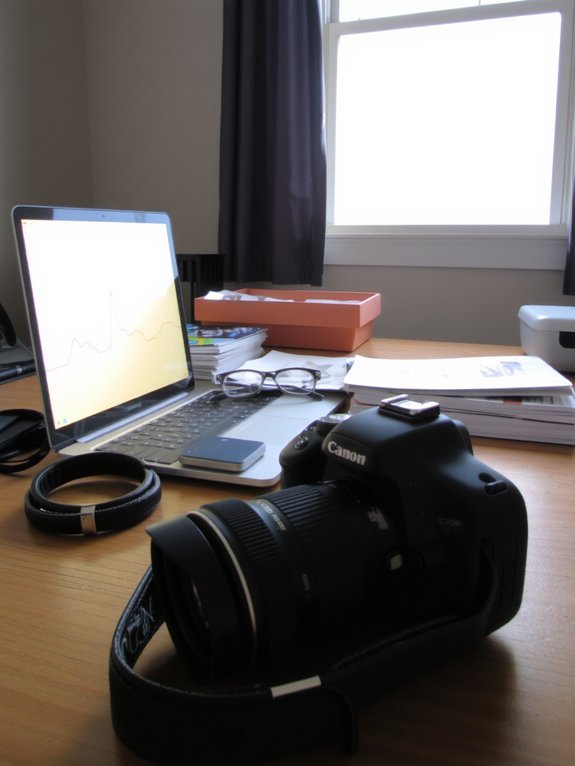
You’re about to learn the exact skills and gear that’ll turn your ears and keyboard into cash, and I’ll be blunt—some basics separate the pros from the stumblers. You’ll need sharp listening, fast accurate typing, great grammar instincts, and software like a foot pedal, noise-cancelling headphones, and a reliable transcription program that won’t quit on you mid-file. Stick with me, I’ll show what to practice, what to buy, and how to set up a comfy, click-free workstation that actually lets you concentrate.
Essential Transcription Skills
Headphones on, coffee within reach, fingers hovering over the keys — this is where the transcription life begins, and yes, it’s as much about gear as it is about grit. You’ll need sharp listening comprehension, because audio’s messy, people mumble, and context saves you. Boost your typing speed, aim for accuracy, not glory; shortcuts cost clients. Learn punctuation rules, speaker IDs, timestamps — they’re tiny scaffolds that keep chaos readable. Train patience, because long files are like marathons with plot twists. Cultivate research chops; names and jargon show you cared. Practice transcription etiquette: meet deadlines, ask clarifying questions, own mistakes and fix them fast. I’m blunt because it’s honest: hone these skills, and you’ll turn noise into paychecks.
Required Hardware & Software
Gear matters — but not in the way gadget ads pretend; it’s the small, reliable stuff that saves your sanity when audio goes sideways at 2 a.m. I tell you this because you’ll need to meet basic hardware requirements: a fast, stable computer, comfy noise-canceling headphones that hug your ears, and a responsive foot pedal if you want speed. Add extra RAM, an SSD, and a backup drive so you don’t cry over lost files.
For software options, choose a solid transcription app, a good text editor, and reliable audio players that let you slow, rewind, loop. I prefer tools with hotkeys, clear waveforms, and auto-save. Test setups, tweak levels, and brew coffee. You’ll thank me.
Best Platforms and Marketplaces to Find Transcription Jobs

If you want steady work without hunting classifieds forever, start where the clients actually hang out: marketplaces and niche platforms that connect audio to paychecks. I’ll walk you through spots that matter, where freelance opportunities meet niche markets, and where you can actually hear money jingling — metaphorically, sadly.
| Platform | Best For | Vibe |
|---|---|---|
| Rev/TranscribeMe | Quick gigs | Fast-paced, low-fuss |
| Upwork/Fiverr | Varied contracts | Competitive, flexible |
| GMR/3PlayMedia | Specialized tech | Higher-bar, steady |
You’ll sign up, sample audio, prove you’re human. Then you’ll snag clips, lace headphones on, and type the world down. It’s gritty, rhythmic work, but the right platform makes it strangely satisfying — like solving a noisy puzzle.
Setting Your Rates and Understanding Pay Structures
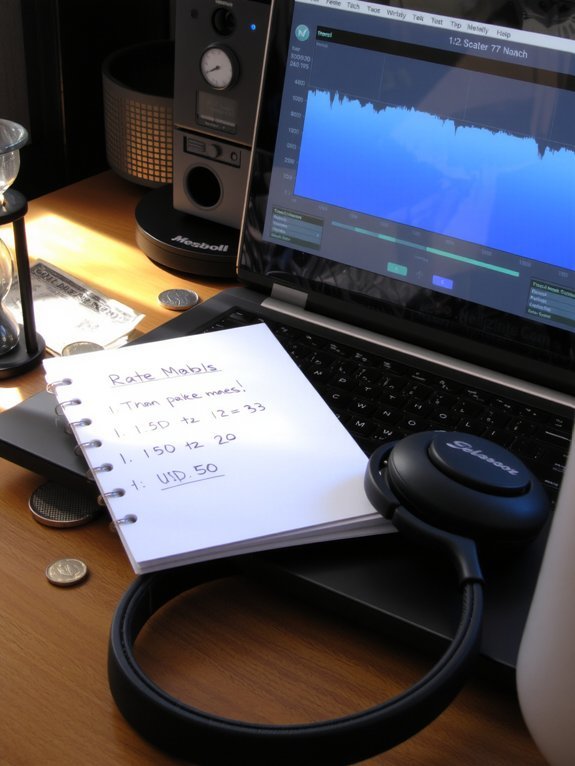
Because pay can feel like a mystery box, you’re going to want clear rules up front, and I’ll help you pry it open without breaking a nail. You’ll learn to set rates that reflect skill, speed, and the time you spend untangling mumbled interviews. Start with an hourly baseline or per-audio-minute rate, test it, then adjust. Expect clients to push; practice rate negotiation like a quick dance, firm but polite. Demand pay transparency in contracts, ask about turnaround, edits, and bonuses. Track actual minutes, revisions, and weird audio that eats time. Say no to mystery jobs. I’ll remind you, gently: low rates teach bad habits. Charge fairly, defend your time, and your bank account will thank you.
Productivity Tools, Shortcuts, and Accuracy Techniques

When the audio starts and your coffee’s still warm, you want tools that make you feel like a transcription ninja, not a frazzled decoder of muffled whispers. I use a foot pedal, noise‑canceling headphones that hug my ears, and a text expander that spits out common phrases so my fingers rest more, not less. Try productivity hacks: set 25‑minute sprints, mute notifications, mark timestamps fast. Lean on shortcuts, like custom hotkeys and playback speed bumps, they’re tiny muscle wins. For accuracy techniques, slow tricky sections, replay twice, and use spellcheck plus context searches — Google is your co‑pilot. I proofread with fresh eyes, read aloud, and save versions. It’s tidy, efficient, sometimes humbling, always satisfying.
Tips for Landing Higher‑Paying Clients and Building Reputation

You’ve got the gear, the focus routine, and the habit of replaying that whisper three times until it sings — now let’s make that skill pay better. I’ll tell you what worked for me: pick a niche, learn its jargon, and mention it upfront. Clients like clarity, they hate surprises. Set clear client expectations — deadlines, turnaround tiers, and revision limits — and say them like you mean it.
Show samples, not excuses. Offer a fast 10‑minute trial clip, then deliver clean, time‑stamped transcription. Ask for testimonials, and collect them into a tidy page. Reputation management is daily: respond fast, fix mistakes, thank people, and document wins. Charge what you’re worth, but keep the coffee warm and the edits swift.
Scaling Up: From Side Hustle to Reliable Transcription Income

If you want this to be more than a cute side gig, treat it like a tiny, stubborn business that refuses to play dead — I did, and my mornings stopped smelling like instant coffee and regret. You’ll map scaling strategies, set hourly targets, then ditch guesswork for systems. I batch files, tune templates, and keep a checklist that hums. Say no to scatter, yes to niche clients who pay more. Raise rates slowly, add premium turnaround, and hire an editor when your inbox cries. Track metrics, watch income growth, celebrate small wins with a silly dance. I give deadlines, you meet them. That shift turns sporadic gigs into steady paychecks, and yes, better coffee follows.
Conclusion
You’ve got the skills, you’ve got the gear, you’ve got the grit — now get paid for it. Hone your ear, sharpen your fingers, polish your profile. Pitch smart, work clean, reply fast. Take tougher jobs, demand fair rates, collect five-star reviews. Track time, use shortcuts, protect your sanity. I’ll cheer when you land that first big client, groan with you over bad audio, and celebrate when this side hustle becomes your steady paycheck.