


You’ll learn to get paid for noticing tiny things—how a cashier greets you, whether the napkins are actually stocked, that weird lemon scent in the lobby—and then turn those observations into cash, fast; I’ll show you where legit gigs hide, how to craft a sharp shopper profile that gets invites, what to pack for a slick undercover visit, and how to avoid the scams that want your bank info, but first imagine slipping a receipt into your pocket with a satisfied smile and a payout notification pinging your phone—curious?
What Mystery Shopping Involves and Who Hires Shoppers
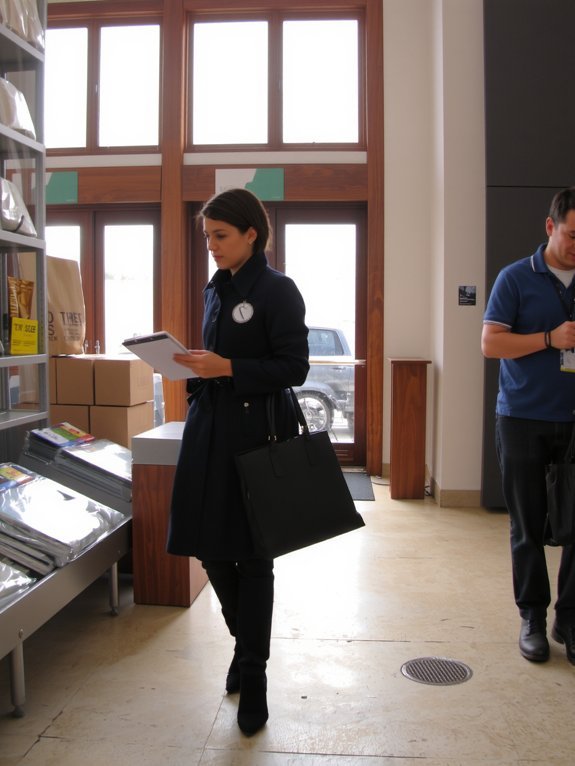
Think of it as acting, but with fewer costumes and more receipts. You stroll in, eye the lighting, sniff the coffee — yes, you actually sniff it — then jot details into an app. These mystery shopping basics mean you’ll evaluate service, cleanliness, and product knowledge, often on a tight checklist that reads like a grocery list for quality. Companies hire you: retailers, restaurants, banks, and even auto shops; brands want honest, timed feedback. You’ll learn shopper demographics matter — they pick assignments by age, gender, or local zip, so you may fit some gigs better than others. I’ll be blunt: it’s part sleuthing, part customer, part tiny paycheck, and entirely your minutes well spent.
Types of Assignments and Typical Pay Rates

You’ll visit busy retail floors, scan shelves, ring up fake returns, and note if the fluorescent lights make the cereal look sad — you’ll get paid for being annoyingly observant. You’ll also sit in booths, order coffee and casseroles, chat up servers, and score the vibe and plate presentation, sometimes with your camera ready. Pay ranges from a modest stipend for quick store checks to higher fees plus meal reimbursement for dining gigs, so you can pick the pace and paycheck that fits your schedule.
Retail Store Visits
If you’ve ever wandered into a store pretending you were just browsing while actually judging the lighting and the scent of the place, welcome to the job — retail mystery shopping is basically that, turned into cash. I’ll walk you through common retail assignments: shelf-stock checks, staff greeting timers, promo-display audits, and price-verification hunts. You’ll note retail trends, track customer behavior, snap photos, and whisper notes into your phone — secretly proud and slightly ridiculous. Pay varies: $8–$25 for quick visits, $30–$75 for detailed audits, sometimes reimbursed for purchases. I like short stints, you might prefer long-form reports. Be punctual, discreet, precise. Pack a pen, your phone, skepticism, and a sense of humor — you’ll need all four.
Dining and Hospitality
When you slip into a restaurant, café, or hotel lobby pretending you’re here for the crème brûlée, you’re really clocking everything from server timing to napkin fold quality — and yes, that torch-scarred sugar crust will be judged. You’ll do dine-and-dash-style checks, full meals, takeout pickups, and overnight stays, all aimed at gauging restaurant experiences and hotel customer service. Expect pay from $10 quick visits to $75-plus paid meals or $100 for multi-night reports. You’ll note scent, lighting, plate temperature, and an off-key waiter joke, scribble scores, snap photos, and submit by deadline. I’ll warn you, it’s not glamorous; it’s detailed, sometimes sticky, often fun, and yes, you’ll get paid to critique dessert like a tiny tyrant.
How to Find Legitimate Mystery Shopping Companies
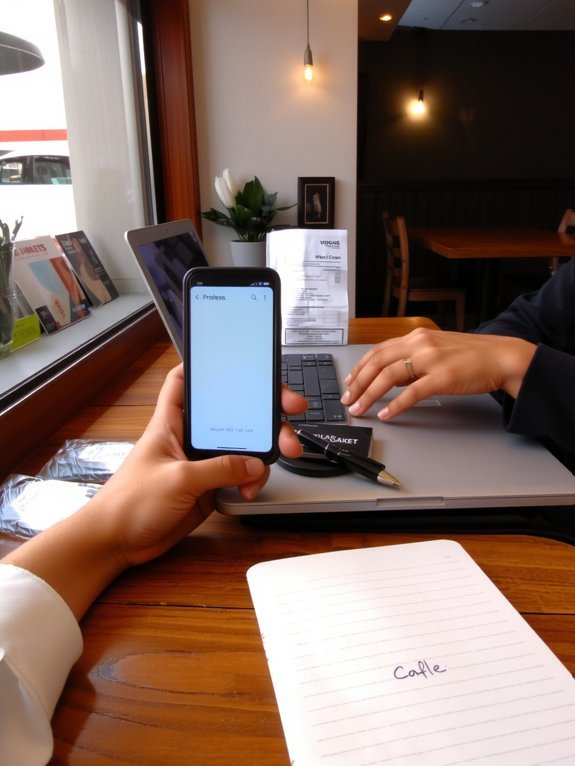
How do you sniff out legit mystery shopping companies without tripping over scams like a klutzy tourist? I’ll walk you through it, step by step. First, do online research — dig up company reviews, forum threads, and Better Business Bureau entries, smell the red flags. Look for mentions of mystery shopping certification, clear pay rates, and real contact info. Call them, listen to hold music, notice if someone answers like a human or a robot. Ask about reimbursement policies, sample assignments, and payment timelines; if they dodge, walk away. Trust reputable panels and client lists, not promises of huge checks. Save screenshots, keep records, and start with low-risk gigs. You’ll learn fast, and avoid the face-plant scams.
How to Create a Strong Shopper Profile and Resume

One clear, punchy shopper profile can open more doors than a week of wildly enthusiastic email pitches; trust me, I’ve watched sleepy profiles get passed over while sharp ones get invites within days. I tell you, craft a shopper persona that’s specific: tastes, age range, mobility, favorite stores, and a little quirk — like you hum when you shop. Build a resume that reads like a story, not a snooze. Resume tips: list relevant experience, clear metrics, types of visits, and tech skills (apps, photos, timestamps). Use a friendly headshot, proofread hard, and keep it to one page. Be honest, vivid, and brief. I promise, a crisp profile lands more gigs than a dozen bland applications.
Applying for Assignments and Scheduling Visits

Because timing makes or breaks a gig, you’ll treat the assignments board like a fast-moving flea market — you don’t dawdle, you pounce. I scan listings, read details, and hit apply fast, because the best tasks vanish. Your assignment application should be sharp: mention relevant experience, available times, and any quirks the client requests. Don’t waffle.
When you get a tentative slot, confirm quickly, then lock it in. Visit scheduling is a dance — pick times that fit real life, not fantasy. I block travel, account for lines, and pack my phone charger like a nervous picnic. If plans change, message the coordinator immediately. Be reliable, be clear, and yes, bring a pen. Your reputation pays more than one-off paychecks.
What to Observe and How to Take Notes Discreetly

When you walk into a store, pretend you’re invisible and annoyingly curious at the same time — I breeze past displays, sniff the coffee station (yes, really), and let my eyes tick across prices, staff uniforms, and that one wobbling shelf like a guilty detective. You’ll use simple observation techniques: note sights, smells, sounds, timing, and staff behavior. Say lines in your head, ask small questions, watch reactions, then move on. For discreet note taking strategies, jot a few words on your phone, use voice memos tucked in your pocket, or scribble shorthand on a receipt. Keep entries time-stamped, factual, and specific — no essays. Hit the essentials: cleanliness, service speed, item availability, and exact phrasing staff use. Be quick, be honest, be invisible.
Submitting Reports and Getting Paid

You’ll want to file your reports fast and clean, like handing over a receipt while the coffee’s still warm, because promptness and accuracy are the things that keep clients happy and checks on their way. Track every mileage mile, receipt, and tip in a little notebook or phone app, so you can ask for reimbursements without sounding like you lost your receipts in a mysterious black hole. Know how each client pays, whether it’s PayPal, direct deposit, or mailed check, and expect timing to vary — so don’t plan a celebratory splurge until the payment actually clears.
Report Promptness and Accuracy
If you want to get paid on time, treat your reports like a hot dish you’re about to serve—clean, steaming, and delivered before anyone complains. I tell you this because prompt report submission shows professionalism, and clients love that smell of efficiency. You jot timestamps, upload photos while they’re still warm, and hit send within the window. Don’t dawdle. Accuracy assessment follows fast; you’ll cross-check numbers, quote dialogue, and note smells and lighting, so your reviewer doesn’t squint at vague memories. I use checklists, short bullets, and one clear conclusion. When they get a tidy, honest file, payments flow. Miss that moment, and you’re apologizing over cold soup. Do it right, get paid, sleep better.
Expense Tracking and Reimbursement
One simple rule will save you headaches and bank-account drama: track every penny like it’s evidence in a caper. You’ll log receipts, snap photos, note mileage, and attach them to each report. Be neat, be fast, don’t let stray coffee costs vanish into a junk drawer. The expense tracking habit speeds the reimbursement process, and keeps you looking professional.
| Item | Evidence | Action |
|---|---|---|
| Meal | Photo receipt | Upload to report |
| Transport | Mileage log | Calculate, note |
| Refundable fee | Receipt | Tag as reimbursable |
| Tip | Note amount | Include details |
Send reports early, follow vendor rules, confirm receipt. If they stall, nudge politely, with dates and proof. You’ll get paid, eventually, and with less drama.
Payment Methods and Timing
Great expense habits set the stage, but now we talk money—the part where paper receipts become actual cash in your bank, and you stop pretending those mystery-shop snacks were “research.” I’ll lay it out plain: different companies pay in different rhythms — some cut checks within a week, others drip-payments on a 30- or 60-day schedule — and they’ll use direct deposit, PayPal, prepaid card, or old-fashioned mailed checks; learn their method and timing like you’re memorizing a fake alibi. You’ll submit reports, attach photos, narrate service, hit send, and then wait. Track payment options and payment frequency, check portals, log expected dates. Ask support quickly, cite report IDs, stay polite but firm. Collect, reconcile, celebrate.
Avoiding Scams and Red Flags to Watch For
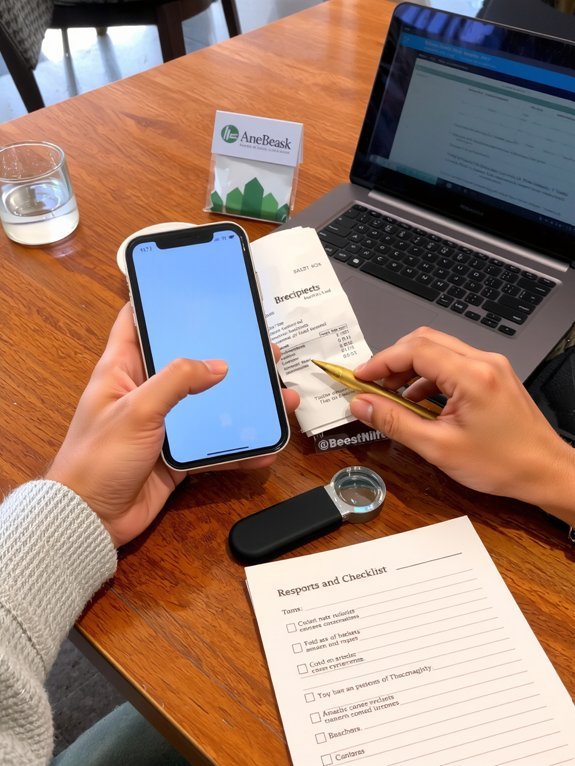
Curious how to tell a legit mystery-shopping gig from a flashy con? I’ll walk you through sharp scam indicators, and show how fake companies try to lure you. First, trust your ears: promises of instant riches, urgent “act now” tones, and payment that arrives only after you wire money—red flags, all of them. Check emails for sloppy logos, odd domains, and requests for personal banking info; I grimace every time I see “send your routing number.” Call the company listed on their official site, don’t reply to the ad. Ask for sample contracts, firm contact names, and realistic pay schedules. If they dodge specifics or offer silly excuses, walk away. You’ll sleep better, and keep your cash.
Tips to Maximize Earnings and Efficiency
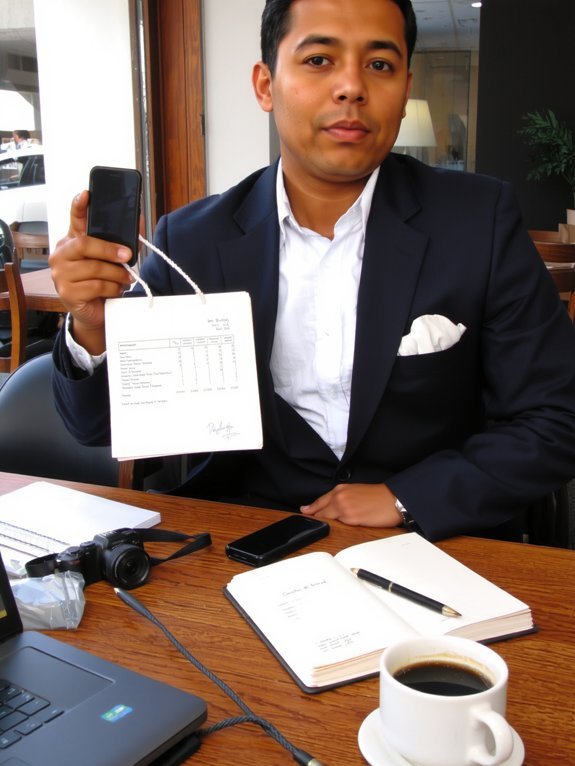
Okay, you’ve dodged the scams and kept your bank account intact — nice work, give yourself a tiny victory dance. Now, focus on maximizing earnings without burning out. I schedule batches of shops by location, so I drive once and feel like a tactical ninja, not a lost tourist. Use apps that auto-fill reports, take crisp photos, and record brief voice notes to transcribe later — efficiency wins. Pick higher-pay gigs when they match your route, and say no to tiny paychecks that eat your time. Track mileage, time, and reimbursements in a simple spreadsheet, treat weekends like sweet bonus lanes, and always confirm instructions before you start. Small systems add up to bigger paychecks, trust me.
Legal, Tax, and Privacy Considerations
Because you’re handling money, receipts, and other people’s spaces, you’ll want to get legal and tax stuff sorted early—trust me, it’s way less annoying than a surprise audit. I’ll keep it blunt: know the legal implications of contracts, don’t sign vague gigs. Track income, log expenses, and meet tax obligations—estimated payments might apply, so don’t wing April. Privacy concerns matter; never photograph IDs, blur faces, and follow data protection rules when notes include personal info. Carry a pen, a tiny notebook, and common sense.
| Topic | Action | Why it matters |
|---|---|---|
| Contracts | Read, negotiate | Avoid chase fees |
| Taxes | Record, pay | Prevent audits |
| Privacy | Anonymize data | Protect clients |
Conclusion
You can do this. I’ve seen you blend curiosity with practical hustle, so treat mystery shopping like a tasteful side gig, not a full-blown life makeover. Scope assignments, pack a phone charger and a knowing smile, jot crisp notes, and file receipts like a pro. Trust your instincts, say no to anything that smells too easy, and enjoy the small wins—the free latte, the reimbursed meal. Stick with it, and watch the extra cash stack up.

