
You can turn clutter into cash by prioritizing items that sell fast and need little prep, pricing them smart, and choosing the right platform for each piece. Clean and photograph things well, write honest listings, and handle transactions safely to avoid headaches. Start with what’s in demand and requires minimal effort, and you’ll free space and earn money—here’s how to do it step by step.
Key Takeaways
- Prioritize high-demand, low-prep items to sell first for quick cash and momentum.
- Research completed listings and price comparables to set competitive, realistic prices.
- Clean, repair minor flaws, and photograph items well to increase buyer confidence and value.
- Choose the right platform—local pickup for bulky goods, marketplaces or niche sites for specialty items.
- Use tracked shipping, safe meetup locations, and secure payment methods to protect earnings and avoid scams.
Deciding What to Sell First
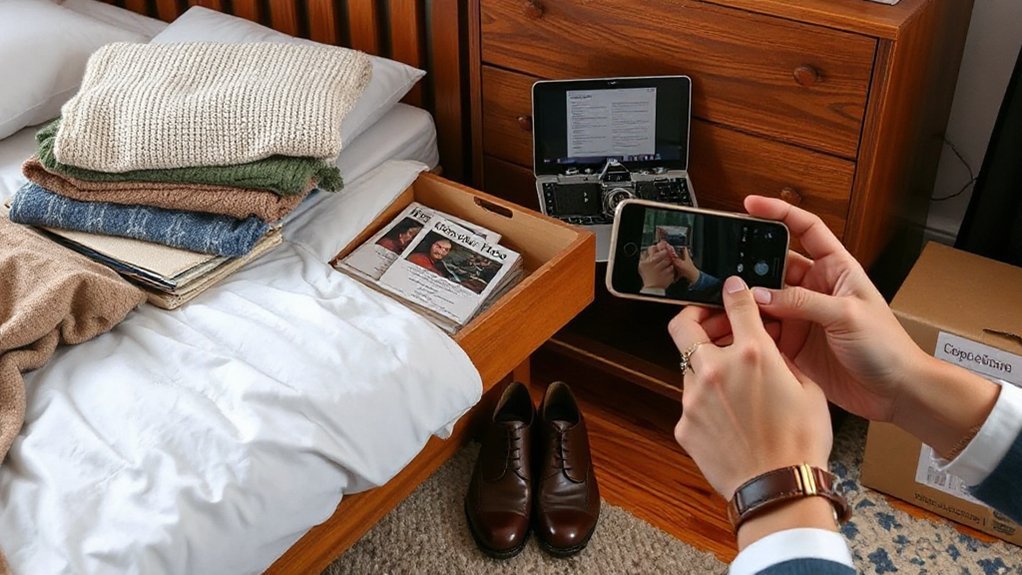
When you start, pick items that sell quickly and need little prep: think popular electronics, gently used clothing, and small furniture that’s easy to ship or show. You’ll use item prioritization to sort by demand, condition, and ease of sale. Set aside high-demand stuff first so you get fast cash, then move to items needing minor fixes or photos. Don’t let sentimental value block decisions; photograph keepsakes before letting them go so you honor memories without hoarding. Create three piles: sell now, hold for better timing, donate or recycle. Tackle the sell-now pile in short sessions, list clearly, and price competitively. That focused approach gets results, clears space, and builds momentum for the rest of your declutter-for-cash plan.
Researching Market Value

Price research pays off. You’ll save time and get better returns when you check current market trends before listing. Start by searching completed sales on platforms where you’ll sell — that shows real prices, not wishful listings. Use valuation tools like price calculators, barcode scanners, and niche guides to confirm ranges quickly. Compare condition, edition, age, and included accessories so your estimate matches similar sold items. Track demand spikes or seasonal swings to decide whether to wait or move quickly. Document sources and typical sale prices so you can justify your asking price and respond to buyer questions. Doing this homework makes your listings credible and reduces days on market without guessing blindly.
Pricing Strategies That Move Items Fast

If you want items gone quickly, set a competitive, transparent price that reflects recent sold listings and buyer expectations. You’ll move more stuff when you balance speed and return: undercut high listing prices, use psychological pricing, and state shipping or pickup fees up front so buyers trust the deal.
- Price slightly below common listings to attract searches and signal competitive pricing.
- Use psychological pricing (e.g., $29.99 vs $30) to make items feel like better bargains.
- Offer bundle discounts for similar items to increase average sale value and clear inventory faster.
- Time markdowns: start firm, then reduce in clear steps to create urgency without undervaluing.
Check responses, tweak prices based on views, and be ready to negotiate within limits.
Preparing and Cleaning Items for Sale
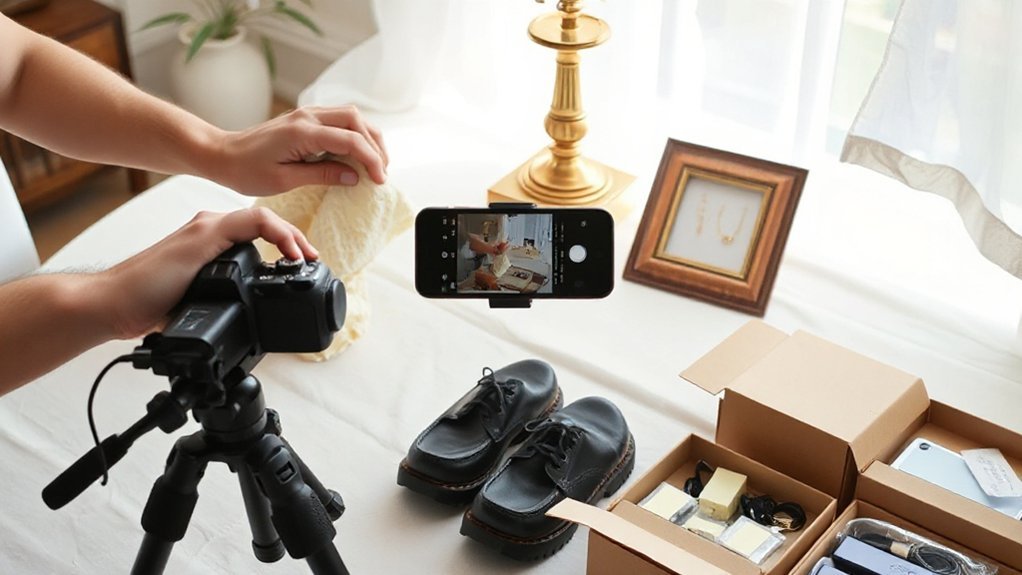
After you’ve set a competitive price, make the item look its best so buyers see value right away. Start with a quick item assessment: note flaws, missing parts, and repairable issues. Prioritize fixes that raise perceived value—tighten screws, replace batteries, or reattach buttons. Next, do a targeted deep cleaning tailored to the material: gentle cleanser for electronics, fabric-safe shampoo for upholstery, metal polish for hardware. Use microfiber cloths, soft brushes, and compressed air to remove dust without damage. If odors persist, air the item outdoors or use odor absorbers. Be honest about wear in your description, but present the item at its cleanest and most functional state. Clean, well-prepared items sell faster and often command higher offers.
Taking Photos That Get Clicks

Get your listings noticed with bright, clear lighting that shows true colors and hides shadows. Shoot multiple useful angles — front, back, close-ups of flaws, and any important details — so buyers don’t have to guess. Use a clean, styled background that feels professional without distracting from the item.
Bright, Clear Lighting
Good lighting makes your items look professional and trustworthy, so aim for bright, even light that shows true colors and crisp detail. You want buyers to see exactly what they’re getting, so balance natural light and artificial lighting to remove shadows and highlight texture. Try these quick tips:
- Shoot near a window during daytime for soft, consistent natural light.
- Use a white sheet or reflector to bounce light and eliminate harsh shadows.
- Add a neutral artificial lighting source (daylight bulbs) when indoor light is weak.
- Avoid mixed color temperatures; match bulbs to daylight or use only natural light.
Keep backgrounds simple and adjust exposure so colors match reality. Clear, well-lit photos build trust and boost clicks — they sell better.
Multiple Useful Angles
Want your listing to stand out? Shoot multiple useful angles so buyers see exactly what they’re getting. Start with a clear front shot, then close-ups of details like labels, wear, and unique features. Include a shot showing scale—hold the item or place a common object nearby—so size confusion doesn’t kill the sale. Capture any flaws honestly; transparency builds trust and reduces returns. Vary perspectives: top, side, interior, and functional shots if it works. Rotate items slightly between frames to show depth and condition. That approach helps you overcome emotional attachment by treating photos like data, not memories, reinforcing a decluttering mindset. Better imagery increases clicks, saves time, and gets your stuff sold faster.
Clean, Styled Background
One simple backdrop can make your item look pro: pick a neutral, uncluttered surface and style it so the product stays the focus. You’ll use basic cleaning techniques to remove dust and fingerprints, then arrange props sparingly for styled presentations that sell. Keep lighting even and avoid harsh shadows.
- Clean surface: wipe backgrounds and props before shooting.
- Neutral palette: use whites, grays, or wood for consistent contrast.
- Minimal props: add one or two items to show scale or lifestyle.
- Crop tight: remove empty space so the item dominates.
You’ll test shots on your phone, tweak angles, and keep edits natural. Buyers click on tidy, intentional photos — clean, styled backgrounds boost trust and conversions fast.
Writing Listings That Convert
A clear, well-structured listing turns casual browsers into buyers by answering their questions and removing friction. You’ll start with a punchy title that includes listing keywords shoppers use, like brand, model, size, and condition. Lead with the main selling point, then follow with concise bullet-style details: measurements, age, flaws, and what’s included. Use persuasive language focused on benefits—why it solves a problem or enhances life—without overselling. Add clear, honest condition notes and a fair price rationale to reduce haggling. Include shipping or pickup options and response time expectations so buyers know what to expect. Finish with a call to action: “Message to buy” or “Reserve now.” Good listings cut doubts and speed sales.
Best Platforms for Different Types of Items
When you know what you’re selling, you can pick the platform that gets it seen and sold fastest: bulky furniture and local-only items do best on neighborhood marketplaces and apps with easy pickup options, while niche collectibles and vintage clothing often fetch higher prices on specialist sites and auction platforms where collectors browse. Choose based on item type and buyer behavior.
- Furniture & appliances — use local marketplaces and apps for easy pickup and lower hassle.
- Electronics & books — list on broad e commerce platforms with strong search and buyer protection.
- Clothing & accessories — target niche markets and boutique resale sites for premium pricing.
- Collectibles & art — sell on auction platforms or specialist forums where collectors gather.
Match platform fees, audience, and effort to maximize profit.
Safe Transactions and Shipping Tips
If you want to avoid scams and costly mistakes, prioritize clear payment methods, verified buyer/seller profiles, and documented shipping procedures before you finalize a sale. You should insist on a secure payment option—like trusted platforms or verified bank transfers—and avoid unfamiliar apps or cashless promises that offer no recourse. Verify profiles, read ratings, and ask buyers for confirmation messages. Choose shipping options with tracking and insurance for valuable items, and clearly state who covers fees. Pack items carefully, photograph them before shipping, and keep receipts and tracking numbers until the buyer confirms receipt. For local meetups, pick public, well-lit places and consider bringing a friend. These steps cut risk, build buyer trust, and protect your earnings.
Conclusion
You’ve got valuable stuff sitting around—turn it into cash by picking high-demand items first, pricing them competitively, and presenting them well. Clean, photograph, and write honest listings that highlight benefits. Choose the right platform—local for bulky pieces, online for electronics—and offer clear pickup, payment, and shipping options. Stay safe with neutral meeting spots and tracked shipping. Do this consistently, and you’ll declutter faster while padding your wallet.