



Your wallet is a garden—neglected, but not dead yet—and you’re about to get your hands dirty. I’ll walk you through practical, low-friction ways to earn from home—tutoring, freelancing, selling digital stuff—while you study, so you keep sleep and dignity; picture logging into a five-star tutoring session, brewing instant coffee, and banking cash before noon. Stick around, I’ve got the roadmap and the shortcuts.
Flexible Remote Tutoring and Teaching Opportunities

If you’re tired of scrolling through job boards and want money that actually lands in your account before finals week, remote tutoring might be your best friend — and it won’t judge your hoodie choices. You’ll set up on tutoring platforms, advertise your subject expertise, and pick student demographics you click with; think high-school algebra or conversational Spanish, not quantum physics at 2 a.m. Lesson planning becomes a ritual — coffee, whiteboard, five tidy goals — and you’ll stash educational resources in a folder like a squirrel hoarding snacks. Technology tools hum along, video quality crisp, you nod, they ask, you explain. Your communication skills sell lessons, your scheduling flexibility fits study blocks, and the income potential actually pays rent. Quick, steady, satisfying.
Freelance Writing, Editing, and Proofreading Gigs

When I’m hungry for cash between classes, I turn to freelance writing, editing, and proofreading like it’s a vending machine that actually accepts my budget-conscious coins. You can too — grab a laptop, brew bad coffee, and jump right in. Pitch short blog posts, polish ghostwritten essays, or proofread newsletters for content marketing teams. Focus on niche blogging or a subject you actually know, so words flow and clients trust you. Set clear rates, ask for samples, and use quick edits as a hook. Deliver clean drafts, track revisions, and celebrate tiny victories with a victory snack. It’s flexible, pays per piece, and sharpens your voice. You’ll get better, faster, and slightly smug about commas.
Part-Time Virtual Assistant Roles for Small Businesses
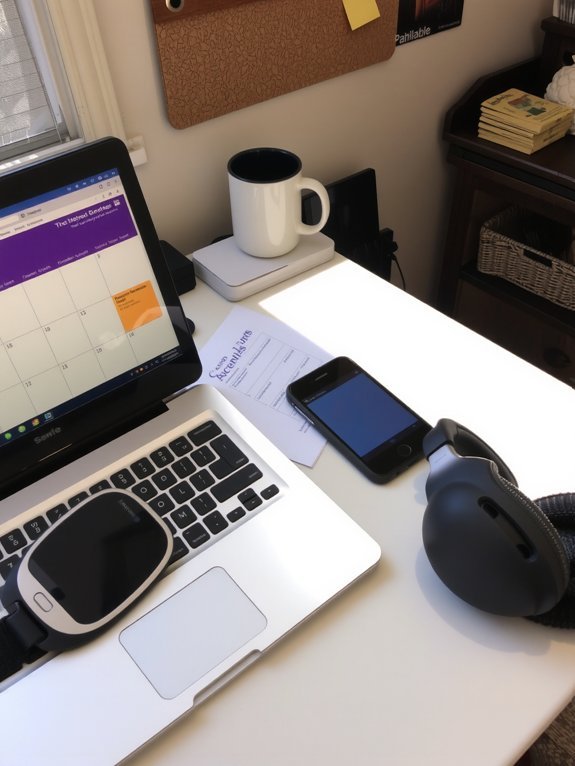
You can handle emails, schedule appointments, manage social posts, and tidy up spreadsheets — the usual VA toolbox that keeps small businesses humming while you study. I’ll show you where to find clients online, from freelance sites to niche Facebook groups and quiet LinkedIn messages that actually get replies. Stick with me, I’ll be blunt and helpful, and yes, you can do this between classes without losing your mind.
Typical VA Tasks
Because small-business owners are juggling a million tiny fires, they love hiring part-time virtual assistants to handle the messy, repetitive stuff—so you’ll be the calm voice in their chaos. You’ll manage email, triage messages, and draft replies that sound human, not robot; those virtual assistant skills shine here. You’ll schedule appointments, update calendars, and set reminders that ping like tiny tattletales. Data entry and spreadsheets? Think tidy rows and satisfying clicks. Social posts get captions and images, you’ll queue them and watch engagement tick up. Light bookkeeping, invoicing, and order tracking keep cash flowing, you’ll catch errors before anyone cries. Client communication is constant, polite, sharp—brief check-ins, clear asks, little victories celebrated with a coffee sip and a grin.
Finding Clients Online
Alright, you’ve got the VA toolkit down—emails, calendars, captions—and now it’s time to go find the people who’ll actually pay you to use it. You’ll stalk niche markets, scan online platforms, and ping small businesses that need help but don’t know it yet. Send a crisp DM, attach a one-page offer, and promise one small win in a week. Meet on Zoom, bring coffee, listen more than you talk. Be honest about hours, set boundaries, and celebrate the first paid task like it’s prom.
| Where to look | Quick pitch idea |
|---|---|
| Local shops | “Manage DMs 3x/week” |
| Creators | “Batch captions, save 5 hrs” |
| Coaches | “Calendar + client intake” |
Earning With Online Marketplaces and Microtasks

If you’ve ever scrolled through your phone between classes and thought, “There’s got to be cash hiding in here somewhere,” good — you’re right, and I’ll show you where to look. You hop onto marketplaces, skim listings, and learn marketplace strategies fast — that’s your edge. I’ll whisper about task selection: pick short gigs that pay well, repeatable jobs, and ones you actually enjoy enough to not regret later. You sign up, grab screenshots, type snappy proposals, and deliver clean work on time. Microtasks pay small, but stacking them turns pocket change into study snacks. I’ve tested awkward interfaces, earned decent tips, and kept my dignity — mostly. Start simple, track earnings, scale what sticks.
Selling Digital Products and Printables

You’ve been snagging small gigs and pocketing tips, but there’s a smarter hustle hiding just beyond task lists: making things once and selling them forever. I’ll be blunt: you can design planners, study guides, templates, printables for dorm decor, or niche cheatsheets — digital product ideas that keep earning while you sleep. Start with printable design tips: crisp fonts, printable-safe colors, clear margins, and test on paper so textures and ink actually behave. Photograph a physical mockup, write a short, spicy description, set a fair price, and upload to marketplaces or your own shop. It’s low overhead, mostly creativity and patience. You’ll learn marketing fast, earn compounding income, and feel great about building something that actually helps people.
Monetizing a Blog, YouTube Channel, or Social Media

When I say “build a following,” I mean real people who show up, not bots or your mom reloading the page. You’ll pick a niche, film, type, or write with smell-and-sound detail, and you’ll post like your future rent depends on it — because it might. Use blog monetization strategies: affiliate links, ad networks, sponsored posts, and a tidy email list that actually gets opened. On YouTube, hook viewers in five seconds, edit sharp, close with a clear call-to-action. For social media growth, engage in comments, remix trends, and post consistently, not sporadically. Turn attention into offers: mini-courses, merch, Patreon tiers. Track clicks, tweak headlines, rinse and repeat. It’s hustle, craft, and patience, with caffeine.
Participating in Paid Surveys, Studies, and User Testing

Because sitting in your pajamas and clicking buttons can actually pay the bills, I’ll walk you through how paid surveys, academic studies, and user tests turn spare minutes into cash without leaving your desk—just don’t expect a yacht. You sign up on survey platforms, answer questions, earn points in reward programs, and sometimes grab quick research incentives like gift cards. As study participants you’ll join online focus groups, give user feedback on apps, or do product testing over video—think tasting without the calories, but with receipts. Companies use demographic targeting to find your profile, they crave consumer insights for market research, and you get paid. It’s low effort, flexible, sometimes boring, often useful, and surprisingly legit.
Building Income With Gig Economy and Delivery Apps

If you’ve ever sprinted across campus for a pizza slice, you’ve basically trained for gig work—only now you get paid for the sprint. You’ll learn gig platforms fast, tap into delivery strategies, and juggle side hustles between classes. I’ll walk you through app comparisons, quick market trends, and lean earnings analysis so you don’t chase ghosts. Picture the hum of a bike, the weight of warm food, a ping on your phone — that’s money arriving. Time flexibility is your secret weapon, student benefits pop up in odd places, and platform reviews save hours of trial and error. Try a few apps, note peak hours, optimize routes, and laugh when you realize biking beats bad campus coffee.
Turning Creative Skills Into Commissions and Freelance Work

Since you’ve been doodling in margins and remixing playlists between lectures, turning those messy little obsessions into paid gigs is way easier than you think, and I’ll hand you the map. I’ll tell you straight: package what you love—graphic design, photography services, illustration commissions—into neat offers, name prices that don’t make you wince, and show before-and-after shots that slap. Offer content creation bundles, social media management hours, or video editing snippets, toss in web development for good measure, sprinkle branding projects on top. Reach out, DM, email, post a noisy portfolio, do a quick demo video, barter for a testimonial, brew terrible coffee while you work. You’ll learn fast, earn faster, and yes, you can still nap between projects.
Time-Management and Productivity Strategies for Student Earners

You’re juggling gigs, lectures, and a bed that keeps whispering your name, so I’ll keep this blunt: prioritize the day’s tasks, pick two must-dos, and don’t feel bad if the rest waits. Set strict distraction blocks — phone in a drawer, tab limiter on, timer on — and treat those hours like a paid shift. Balance feels weird at first, I know, but schedule study, work, and real downtime like appointments, and you’ll stop feeling guilty and start getting paid.
Prioritize Tasks Daily
When my laptop hums and my phone lights up like a tiny billboard, I don’t drown in tasks — I triage them, fast and mean. You’ll grab a notepad or app, jot one-line tasks, then size them up by impact and time. Good task management means doing the few things that pay or free up hours. Daily planning is your compass: pick three must-dos, two maintenance items, and one stretch goal. Say them out loud, set tiny timers, and watch momentum build. I talk to myself like a coach, sometimes a sarcastic one. You’ll feel the relief when clutter clears, and your earnings grow, bit by bit. Treat the list like a map, not a prison — move, adjust, win.
Block Distraction Time
If I want my work to actually happen, I block distraction time like it’s a VIP concert I paid double for. I shut notifications, dim the lights, and make my laptop feel like a library book—solemn, respected, slightly intimidating. You get a distraction free environment, not a wishful thought. I set a timer, use focus techniques like Pomodoro sprints, noise-cancelling buds, or a white-noise app that sounds oddly heroic. Then I claim a seat, sip something warm, and tell myself one honest line: do this bit, then chill. When roommates wander in, I put up a sign, deliver a mock stern glare, and it works. Small rituals, brutal boundaries, steady rhythms—those are your secret cash-makers, seriously.
Balance Work With Study
Because your syllabus didn’t come with an assistant, you’ll need a plan that actually fits into real life — loud roommates, late-night cramming, and the occasional “let’s grab coffee” ambush. You’ll schedule short work sprints around classes, swap noisy library evenings for focused mornings, and use timers so temptation gets uncomfortable fast. Balancing schedules means saying no politely, and yes strategically. Managing stress? Breathe, stretch, and celebrate tiny wins with a ridiculous snack.
| Action | When |
|---|---|
| Deep work sprint | 50–90 mins, morning |
| Micro-tasks | 15–25 mins, between classes |
| Chill reset | 10 mins, afternoon |
| Review & plan | 20 mins, night |
Treat time like cash, spend wisely, protect study zones, and laugh when plans go sideways.
Conclusion
You’ve got options, and I’ve been there—late-night drafts, coffee breath, and all. Pick tutoring, freelance gigs, VA work, or sell a printable, then hustle smart, not frantic. Set tiny goals, batch tasks, mute distractions, and celebrate small wins with a silly snack. Money won’t magically appear, but consistent effort will. Like planting seeds, your side income needs patience and care; soon enough, you’ll be surprised by the orchard.


