You want to teach a language online and actually earn real money, not just goodwill and awkward small talk; I’ll show you how to pick a niche, price smart, find students, craft lessons that don’t bore, and scale without burning out. Picture clear lesson packs, reliable payment links, a tidy profile photo—plus the hustle of smart marketing and referrals. Stick with me and you’ll stop trading time for pennies, but first, let’s pick your niche.
Choosing Your Niche and Target Students

If you’re anything like me, the idea of “teaching everyone” sounded noble until my calendar looked like a salad bar—something for everyone, and nothing that really stuck, so I narrowed down fast. You pick a niche selection by eyeballing market trends, then listen to actual student needs, not your ego. Decide target demographics — age groups, language levels, cultural considerations — and match teaching specialties to them. Picture a teen in pajamas, a CEO on a commute, a grandmother humming vocabulary; note learning preferences, design engagement strategies, and test a lesson. I joke, I fail, I tweak. You’ll map clear packages, keep feedback loops tight, and watch your ideal students find you, relieved, like someone finally served their favorite dish.
Setting Prices, Packages, and Payment Options
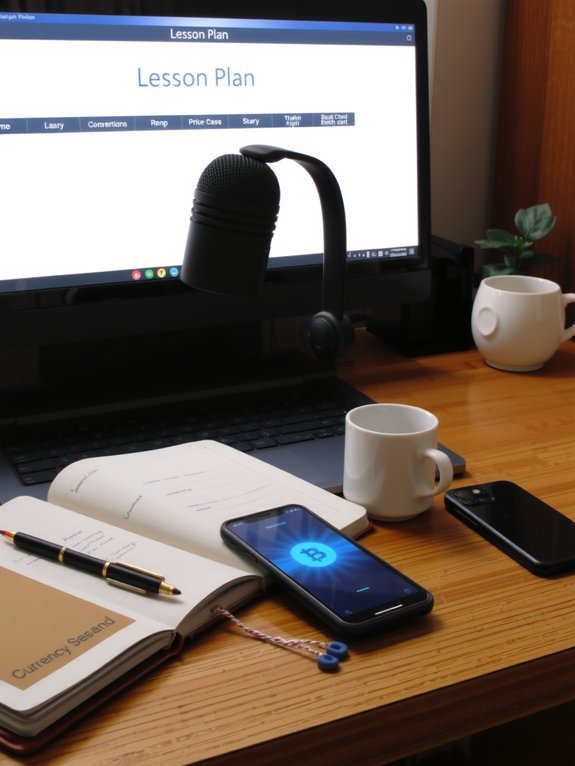
Money talk makes a lot of people blush, me included, but you’re the boss here, so let’s make it painless and profitable. You’ll set price strategies by doing competitive analysis, checking rivals’ rates, and matching them to student demographics—young professionals pay more, teens less. Create package offerings: single lessons, bundles, monthly plans, and a VIP option that smells like confidence. Offer clear payment methods, accept cards, PayPal, or bank transfers, and show secure badges so value perception climbs. Use seasonal pricing for holidays, slow months, and exam season, plus tasteful discounts promotions for referrals. Say it aloud in your profile, test prices, listen to students, adjust fast. You’ll charge what you’re worth, not what you fear.
Platforms, Marketplaces, and Finding Students Independently

You’ll spot big-name platforms like italki, Preply, and VIPKid glowing on your screen, full of polished profiles, ratings, and instant bookings — it’s like window-shopping for students. I’ll show you how to use those marketplaces to get steady work, then switch gears and teach you the sneaky, rewarding art of building your own clientele through social posts, local ads, and one-on-one charm. Stick with me, you’ll get practical steps, a few cringe-worthy anecdotes from my early days, and a plan that actually pays.
Popular Teaching Platforms
Three clear paths sit in front of you when you’re ready to teach online: established platforms, open marketplaces, and hunting down students on your own—and yes, each one smells a little different. I’ll walk you through popular teaching platforms so you can choose fast. Platforms like VIPKid, italki, and Preply offer structure, steady flows, and built-in booking—think predictable rhythm, like a metronome. You’ll compare pay rates, student types, fees, and required materials; platform comparison helps you match goals. Marketplaces give flexibility, but they take a cut. Bigger platforms handle payments and disputes, you relax, sip coffee, teach. They also set rules, you follow. Pick the vibe that fits you: staged theater or open mic, no wrong choice, just different lights.
Building Independent Clientele
If you want steady bookings without renting your soul to a single website, buckle up—I’m about to show you how to build your own student rolodex, piece by piece. You’ll set up a lean profile on marketplaces, but you won’t live there. You’ll cold-message prospects, do warm client outreach via social posts and local groups, and offer trial lessons that smell like caffeine and possibility. Collect emails, schedule with Calendly, follow up like a polite bloodhound. Launch referral programs, give discounts that feel like high-five deals, and ask satisfied students for short video testimonials. Mix paid ads with free content, shift from platform dependency to independence, and enjoy teaching on your terms—chaotic, rewarding, and utterly yours.
Creating Lesson Formats, Materials, and Teaching Tools
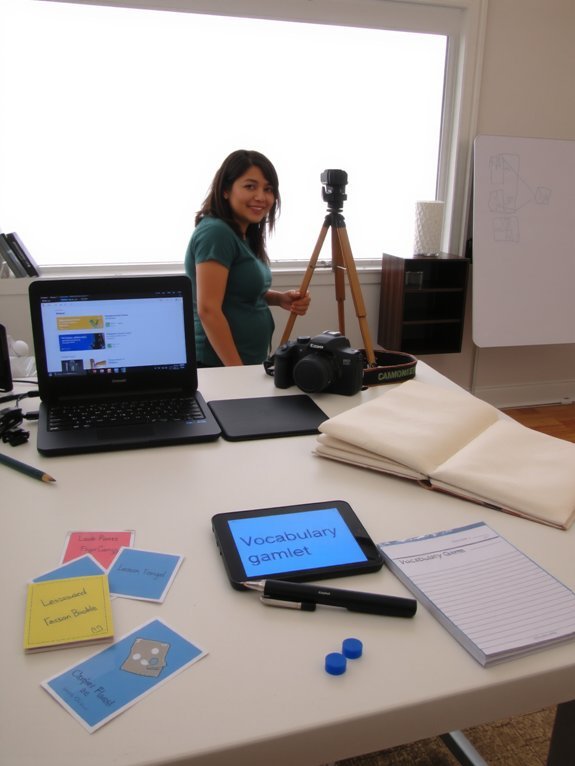
You’ll want tight lesson templates that you can copy, tweak, and run with, so students get predictable progress and you don’t reinvent the wheel every week. I’ll show you how to build simple, repeatable structures and bundle them with low-cost resource kits—flashcards, printable worksheets, audio clips—that smell faintly of classroom glue and actually work online. Follow my lead, grab a template, and watch prep time shrink while your lessons get sharper and more sellable.
Lesson Structure Templates
Once you’ve taught a dozen lessons that drift like sleepy boats, you learn to love a good structure — it’s the anchor, the map, and the radio all at once. I give you three lean templates: warm-up, skill-focus, and production. Each shows timings, materials, and connections, so your lesson planning becomes a calm ritual, not a frantic scramble. Add quick checks, error correction spots, and clear feedback techniques after activities. I sketch sample prompts, cue cards, and a 10‑minute rescue plan for when tech flops. You’ll see exact word counts, verbs to model, and when to shut up and listen. Use these, tweak them, repeat — they’ll make lessons tight, teachable, and frankly, way more fun.
Low-Cost Resource Kits
While I juggle cheap props, sticky notes, and a laptop that still thinks it’s 2012, I build low-cost resource kits that make lessons feel like small, tidy productions you can run anywhere. You’ll learn to assemble compact bundles: printable flashcards, quick role-play scripts, DIY board markers, and sound cues you trigger from your phone. I show you how to do resource creation fast, folder by folder, so you’re not hunting for things mid-lesson. Use budget friendly materials—paper clips become character tokens, sticky notes map dialogue, a mug is a pronunciation prop. You’ll rehearse shifts, laugh when a paper puppet dives off-camera, then tweak the script. Students notice polish, not price, and you’ll charge more, confidently.
Building a Brand, Reputation, and Effective Marketing

If you want students clamoring to book your lessons, start by treating your teaching like a tiny, irresistible business—because it is. You craft visual cues, pick colors and a logo, and call that branding strategies, simple but sharp, so people remember you while scrolling. I tell you to keep your landing page tidy, photos bright, your bio honest and funny, like a voice they’d actually invite home for coffee. Reputation management means answering fast, fixing mistakes, collecting reviews—sweet, specific praise that smells like success. Post short clips, helpful tips, tiny wins; watch curiosity turn into bookings. Say what you teach, who you help, and why you’re different. Be reliable, be human, wink at your love of weird grammar jokes.
Scaling Income, Time Management, and Avoiding Burnout

Because you’re the one trading minutes for money, you’ve got to think like an entrepreneur and a cartographer at once: map where your hours go, stack income streams so one slow week doesn’t flatten you, and carve out real non-working time that feels like breathing again. I tell you straight: start with income diversification strategies — lesson packs, group classes, recorded courses, tutor marketplaces, and tiny ebooks. Mix them, test pricing, taste success like strong coffee. Use effective scheduling techniques: block focus hours, color-code tasks, schedule buffer zones, and say “no” without guilt. Visualize the week, feel the relief when a free evening appears. Burnout hides in overwork, caffeine, and guilt. Respect rest, automate chores, and scale slowly — you’ll stay sane and paid.
Conclusion
Picture your future classroom: a bright screen, your voice, a student’s grin—cash rolling in while you sip coffee. You’ll pick a niche, price smart, craft crisp lessons, and shout your name where students listen. I’ll cheer you on, nudge you when you stall, and remind you that steady effort beats overnight magic. Keep testing, polishing, and saying yes to new chances. Do that, and you’ll turn teaching into a tidy, joyful income stream.