I once found a typo in a 300-page cookbook at 2 a.m., like spotting a lone banana peel on a dark sidewalk—annoying, dangerous, oddly satisfying. You’ll learn to hunt those slips, sharpen rules into habits, and sell yourself without sounding like a robot, I promise; picture coffee, a blinking cursor, and your client’s relieved “thank you.” Stick with me and I’ll show you how to turn that nitpick into steady pay.
What Proofreaders Do and How It Differs From Editing
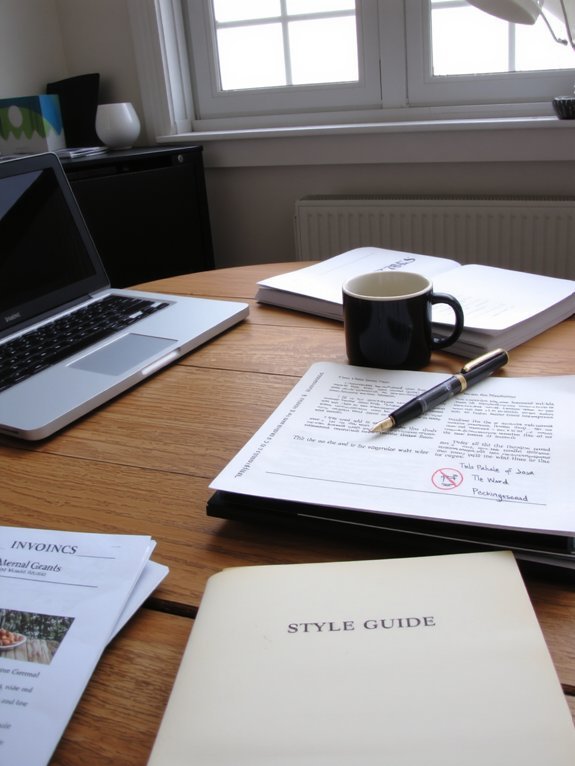
If you squint at a manuscript, you might think proofreading and editing are twins — but they’re actually cousins who show up to family dinners wearing different outfits. You scan pages for stray commas, misspelled words, and dashes that are too long, that’s the proofreading process in action — precise, tactile, like running your fingers over raised type. I’ll tell you, editing techniques live elsewhere; they reshape sentences, trim fat, change tone, they’re sculptors with a bigger chisel. You’ll catch typos, inconsistent capitalization, and formatting hiccups, then hand it back clean. Sometimes you’ll whisper to a paragraph, “Calm down, breathe,” and rewrite a sentence. Other times you’ll be the merciless line editor, but mostly, you keep copy readable, exact, and honest.
Essential Skills, Tools, and Style Guides to Master
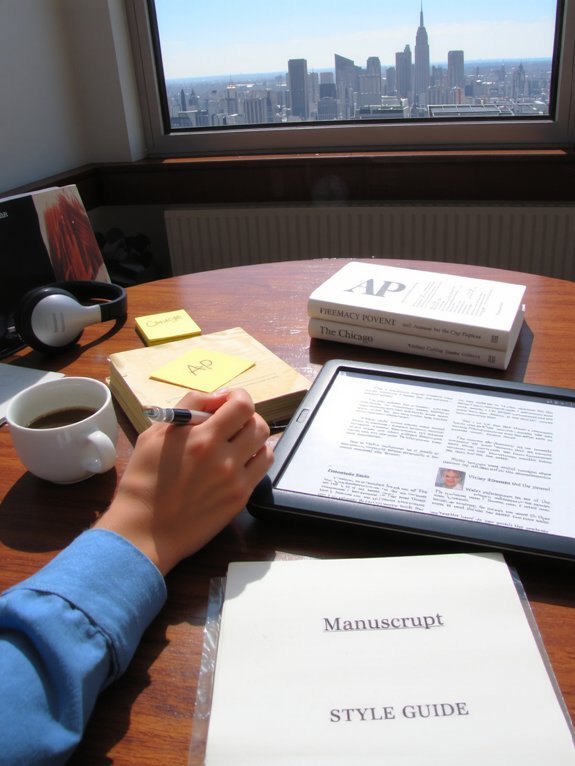
You’ve spotted the difference between editing and proofreading, and now we’re getting practical — hands-on, like cracking open the toolbox. You’ll need grammar mastery, sharp attention details, and a calm eye. Learn common comma traps, homophones, and consistency rules. Use tools, but don’t worship them; your judgment matters.
| Skill | Tool | Why it helps |
|---|---|---|
| Grammar mastery | Style guides | Guarantees consistency |
| Attention details | Proofreading software | Catches slips fast |
| Consistency | Track changes | Shows choices clearly |
Memorize one or two style guides—Chicago, AP, or house manuals—so you sound like you know what you’re doing. Practice on real text, read aloud, and rest your eyes between passes. You’ll catch more, and clients will notice.
Finding Clients: Platforms, Niches, and Networking Strategies

When I started hunting clients, my inbox looked like a tumbleweed field—quiet, dusty, mildly embarrassing—so I learned to stalk opportunities instead of waiting for them to trip over my resume. You’ll scout freelance platforms like a detective, skim listings, pitch fast, and keep templates that don’t sound robotic. Narrow client niches — academic, indie authors, startups — pick one, become the go-to editor for that smell and rhythm of writing. Attend local meetups, hop into Facebook groups, slide into DMs with helpful edits, not sales fluff. Offer a quick sample, ask smart questions, follow up like a polite bloodhound. Build referrals by being reliably excellent, and keep a rolodex—digital, obviously—of contacts, deadlines, and weird client quirks you’ll one day laugh about.
Pricing Your Services and Structuring Packages

Money talk can feel like a dentist appointment, but let’s do it anyway — I’ll hold your hand and make it quick. You’ll pick pricing strategies that match your skill, speed, and market. Offer clear service packages: a quick proof, line edit plus comments, and a deep polish. Price per word, per hour, or per project, test rates, then adjust. Be bold, not greedy.
| Package | Scope | Example price |
|---|---|---|
| Basic | Quick proof, light typos | $0.01/word |
| Standard | Proof + clarity notes | $30/hour |
| Premium | Deep polish, styling | Project rate |
Use psychology: anchor with a premium, give a mid-tier nudge. Say no to undercutting; keep your worth.
Workflow, Contracts, and Tips for Getting Paid on Time
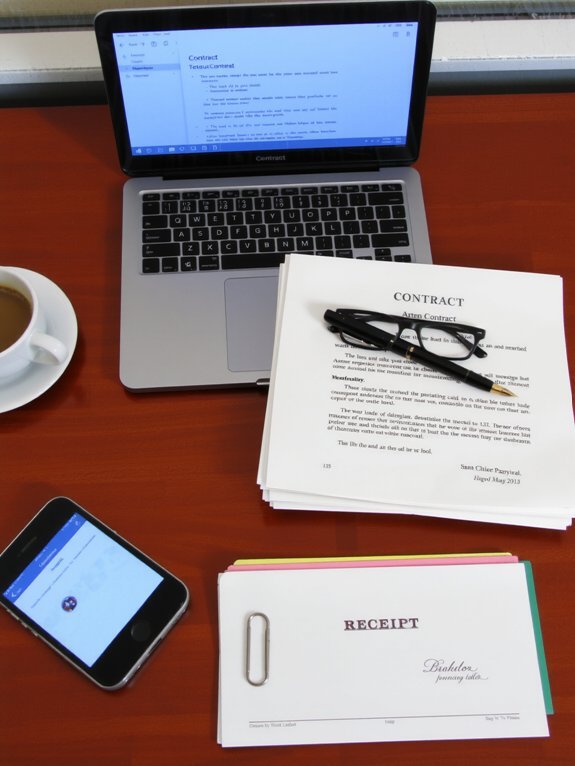
Because chaos loves a blank calendar, I set up a workflow like I’m arranging cutlery before a dinner party — neat, labeled, and impossible to lose under a napkin. You’ll map steps: intake, sample edit, full pass, client review, final files. That’s workflow optimization, plain and practical. Use templates, checklists, a visible board, and timers that click like a metronome. Contracts? Non-negotiable. Short, clear, with scope, deadlines, revisions, and late fees. Say your rates out loud, then write them. For payment methods, offer options: bank transfer, PayPal, Stripe, invoicing tools that auto-remind, and a deposit before you begin. Ask for a partial up front, be firm but friendly, and enforce your terms. Nobody’s polishing your silverware for free.
Conclusion
You’ve got the tools, the eye, and the nerve — so why wait? I’ve seen clients gasp when a sentence snaps into shape, felt the small thrill of a paid invoice hitting my account, and you will too. Start small, promise less, deliver crisp, make your contracts tidy, and charge what you’re worth. Keep learning, network loud, and savor the first five-star review. Ready to turn commas into cash?