


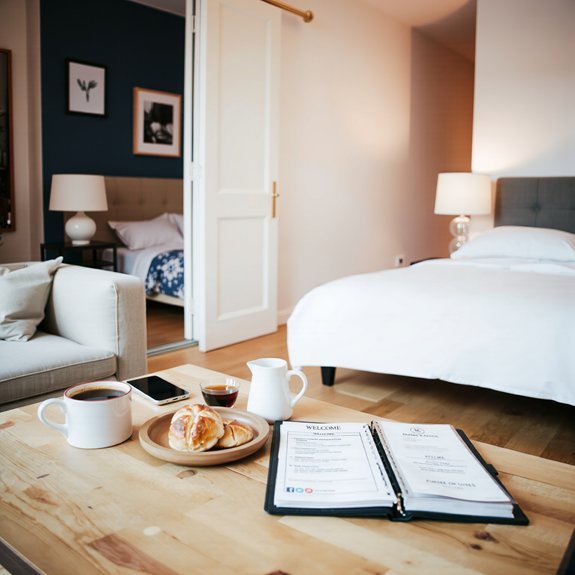
A well-staged apartment is a little lighthouse—bright, steady, impossible to miss—so you use it to steer guests in. I’ll show you how to size up your market, frame shots that sell, add small comforts that let you charge more, and trim turn-over costs without losing sleep; picture crisp linens, a welcome note that smells faintly of coffee, and a cleaning checklist you actually trust. Stick around—there’s a trick for pricing that changes everything.
Understand Your Market and Set Competitive Pricing
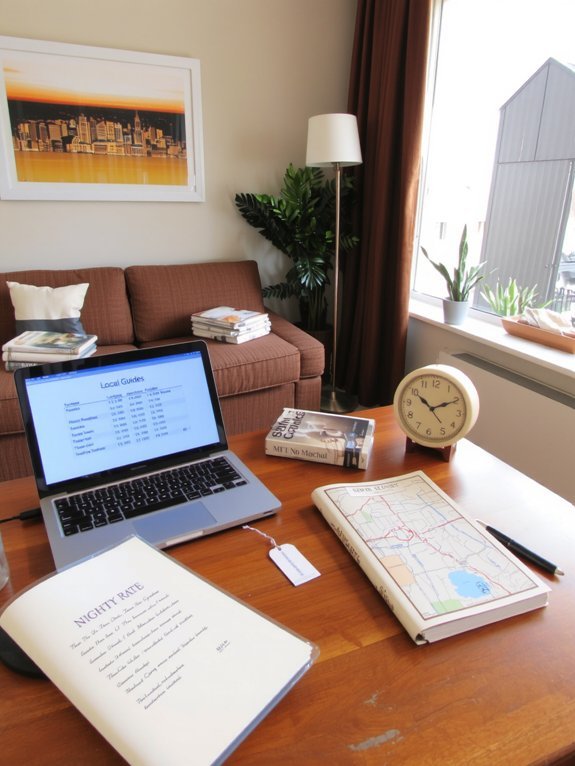
If you want steady bookings and not a calendar full of tumbleweeds, start by knowing who’s actually hunting for stays in your neighborhood—I did this by stalking nearby listings like a detective with a latte, checking prices, photos, and those little amenity checkmarks that guests obsess over. You’ll map demand, note peak nights, and sniff out gaps—weekday business travelers, weekend couples, festival crowds. Do market research like it’s a hobby, jot rates, read reviews, learn what guests praise. Then test pricing strategies: set a baseline, run promos, raise for events, drop for slow weeks. Track occupancy, tweak nightly rates, and talk to guests. You’ll learn fast, earn steady, and yes, you’ll still spill coffee sometimes.
Optimize Your Listing and Photos to Drive Bookings

Once you polish your photos and headline like they’re auditioning for a magazine cover, guests will actually stop scrolling and click—promise. You’ll treat listing optimization like a brief, glamorous makeover. Light the room, remove clutter, add a plant or a textured throw, then snap from hip-height, not the ceiling. Photo quality sells the vibe; crisp, warm images make people imagine mornings and coffee steam. Tight, honest descriptions seal the deal, use bullets, mention fast Wi‑Fi, exact beds, and neighborhood quirks. Title with a benefit, not fluff. Test different cover photos, swap captions, track views. Small changes cause big jumps.
| What to fix | Quick tip |
|---|---|
| Lighting | Shoot at golden hour |
| Clutter | Clear counters |
| Angles | Use wide lens |
| Caption | Lead with benefit |
Create Memorable Guest Experiences That Command Higher Rates

You want guests to walk in and feel like they just stepped into a local secret, so I leave a warm-smelling welcome basket with fresh coffee, a hand-written note, and a tiny map of my favorite breakfast spot — it gets oohs, selfies, and five-star reviews. I curate easy local experiences, from sunset picnic routes to a one-hour street-food walk I can book for them, because people pay more for memories than mattresses. And I keep communication personal but punctual — friendly check-ins, clear arrival texts, and quick fixes — so guests feel cared for, and you can charge what your place is really worth.
Thoughtful Welcome Touches
Even if you’re not a Michelin-starred host, small welcome touches will make guests smile, linger, and quietly justify a higher nightly rate. I toss a simple welcome basket by the door — local jam, sparkling water, a wrapped cookie — so guests get that “ah” moment the second they step in. You’ll label things, leave a quick note with my number, and point out the coffee stash; scent of cinnamon, warm wood, that first sip, they remember it. Ask for guest feedback in the checkout message, watch what they praise, tweak what they don’t. I keep it low-effort, high-charm: a soft throw folded on the couch, a bedside bulb you can dim. People pay for feeling cared for, not for perfection.
Local Experience Curation
If you want guests to remember your place — and happily pay for it — don’t just hand them a key, hand them a tiny local adventure. You’ll map quick routes to local attractions, note best-times to go, and tuck in a postcard with my favorite coffee stop — smells like cinnamon heaven. Tell a short story: “Try the Saturday market, ask for the spicy cheese.” Offer a DIY tasting kit, a printed walking loop, or a headphone-ready playlist that matches sunset colors. Sprinkle cultural insights: why the parade matters, which phrase wins smiles. Be chatty but crisp, add a cheeky tip, then step back. Guests leave glowing reviews, you raise prices, everyone’s happy — you’re basically a tiny legend.
Personalized Communication Protocol
When I say “personalized communication,” I mean small, deliberate touches that make guests feel seen — not stalked — from the moment they book to the minute they lock the door, and yes, they’ll pay for that feeling. I text a warm welcome with a photo of the key basket, so guests know where to look, then follow with crisp guest messaging that answers parking, coffee, and weird noises. You’ll build a library of response templates, but tweak them — use names, reference arrival times, slip in a local tip. At check-in I send a playful, “You in? I’ll dim the lights,” and at checkout a sincere thanks plus feedback invite. These details smell like care, taste like ease, and turn curious guests into repeat payers.
Streamline Cleaning, Turnovers, and Maintenance to Cut Costs
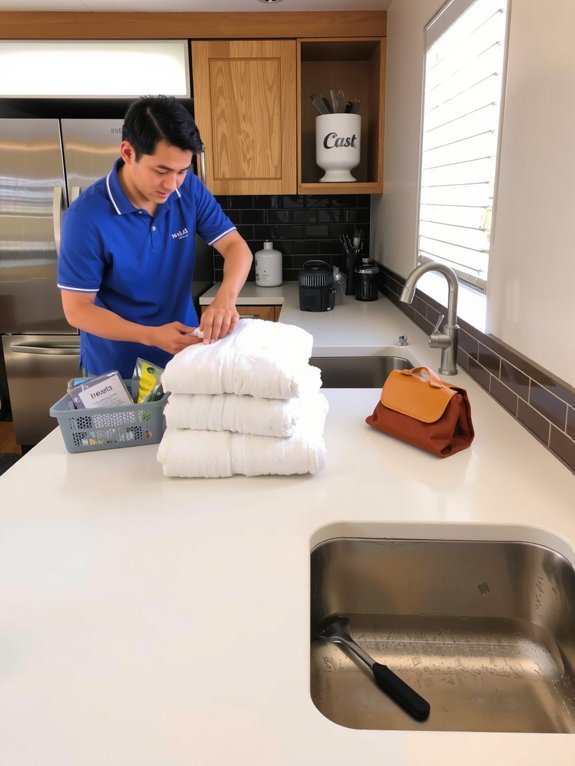
Because clean, fast turnovers are the secret handshake of successful hosts, I treat every checkout like a mini pit stop—loud timers, checklists, and caffeine included. You’ll build a cleaning schedule that maps rooms to minutes, stock cost effective supplies where you can see them, and use a maintenance checklist for bulbs, filters, and squeaks. Train staff with short demos, role-play, and a stopwatch; you’ll cut turnover efficiency gaps fast. Manage time like a chef, prioritize high-impact fixes, and inspect with a sharp eye for grime and welcome touches. Quality assurance isn’t bureaucratic, it’s your reputation. When guest turnover feels like a relay race, you’ll pass the baton cleanly, save money, and sleep better — mostly because you finally earned that coffee.
Use Data and Automation to Maximize Occupancy and Revenue
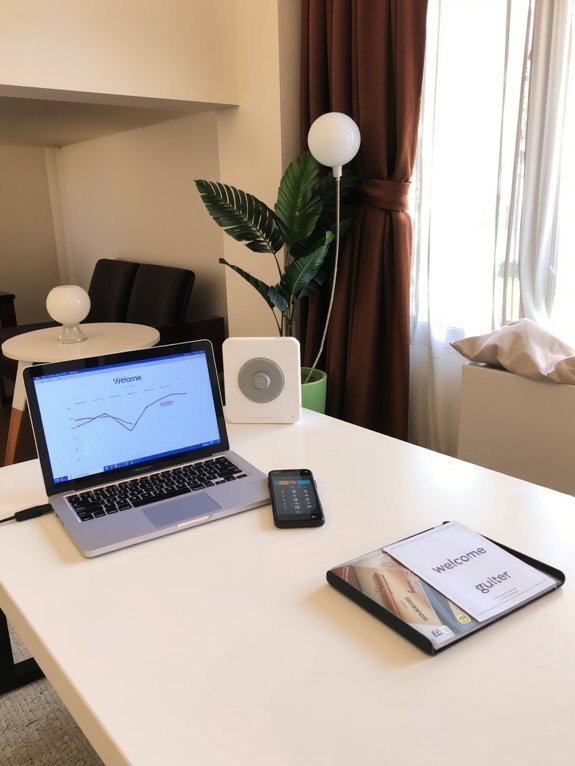
Think of pricing like weather you can predict, and automation as the umbrella you actually remember to pack. Use dynamic pricing to tweak rates by demand and events, then let automated availability updates and calendar hacks keep bookings flowing while you sleep—no midnight spreadsheet drama. I’ll show you simple tools and rules that smell like coffee and save you hours, so you can host smarter, not harder.
Dynamic Pricing Models
If you want to stop guessing what to charge and start letting data do the heavy lifting, you’re in the right place—so pour a coffee, open your laptop, and let’s get nerdy. You’ll lean into dynamic pricing strategies, watch rates breathe with demand, and stop leaving cash on the table. I show you which metrics matter, click by click, smell of fresh coffee mingling with spreadsheet light. Adjust nightly rates for weekdays, weekends, and special events, add seasonal pricing adjustments so winter isn’t a money pit. Use algorithms that learn, not rules you forget. Test price bands, peek at competitor listings, raise a little, lower when needed. It’s science with sass — you gain bookings, I take the smug satisfaction.
Automated Availability Management
When you automate your calendar, you stop babysitting bookings and start harvesting tidy little paydays while you sleep, which feels suspiciously like magic until you remember it’s just good data and smarter wiring. You’ll set automated tools to adjust availability, block awkward gaps, and open last-minute slots, then watch occupancy climb. I use booking synchronization so double-booking nightmares vanish, and guests get instant confirmations that smell like competence. Picture your phone pinging calm reservations, not frantic fixes; you sip coffee, they arrive smiling. Test rules: minimum stay, gap rules, seasonal blocks. Monitor heatmaps, tweak rules, repeat. It’s efficient, satisfying, and mildly addictive — like gardening, except you harvest cash instead of tomatoes, which, frankly, tastes better.
Navigate Legal Requirements and Protect Your Investment
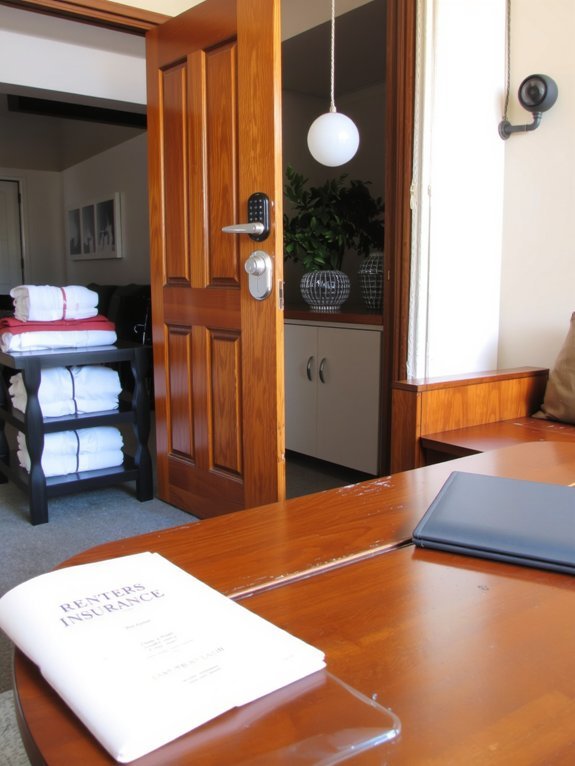
Because local rules will eat your profits faster than a rogue guest eats the complimentary granola, you’ve got to learn the legal ropes before you list, or else welcome to stress city. I tell you this because legal compliance isn’t optional; it’s your safety net. Read zoning codes, get permits, and register where required. Call the city clerk, smell the paper, file the forms. Buy liability insurance, add short-term rental riders, photograph the place, and store receipts — that’s investment protection in action.
You’ll audit your own listings monthly, patch hazards, and set clear house rules. If a neighbor complains, don’t argue, negotiate. I’ve seen polite fixes work better than legal fights. Stay calm, stay legal, get paid.
Conclusion
You’ve got the map, now sail. Picture your place as a lighthouse—clean sheets glowing, key in the welcome bowl, a local coffee smell drifting in. I’ll cheer you on and sigh when chores bite, you’ll price smart and charm guests, and together we’ll turn nights booked into steady income. Keep tabs, automate the boring bits, stay legal, and watch small fixes become big wins. You’ve got this; start tonight.


