


You can turn your knack for calming upset customers into steady cash, and I’ll show you how to do it without selling your soul or your lunch breaks. Picture a quiet corner, noise-cancelling headphones, a ringing inbox, and you—typing clear answers, resolving problems fast, earning steady gigs and better rates as you go; I’ll walk you through where to find work, what to highlight on your resume, and clever ways to boost pay, but first—one big mistake people keep making…
What Employers Look for in Remote Customer Service Candidates

If you want this job, you’ve got to show you’re more than a friendly voice on the phone — and yes, I mean more than “Hi, how can I help?” I’ll tell you straight: employers want reliability, clear communication, and the kind of patience that doesn’t evaporate after the third “I already tried that.” Imagine this: you’re on a headset, coffee steaming at your elbow, screen full of notes, and a customer’s frustration radiating through the line; hiring managers want someone who stays calm, types fast, and can turn that heat down with a few well-chosen words. You’ve got to flex communication skills, show quick problem solving, and prove you meet deadlines. Be punctual, record details accurately, and admit when you don’t know — then find out.
Best Places to Find Remote Customer Service Jobs
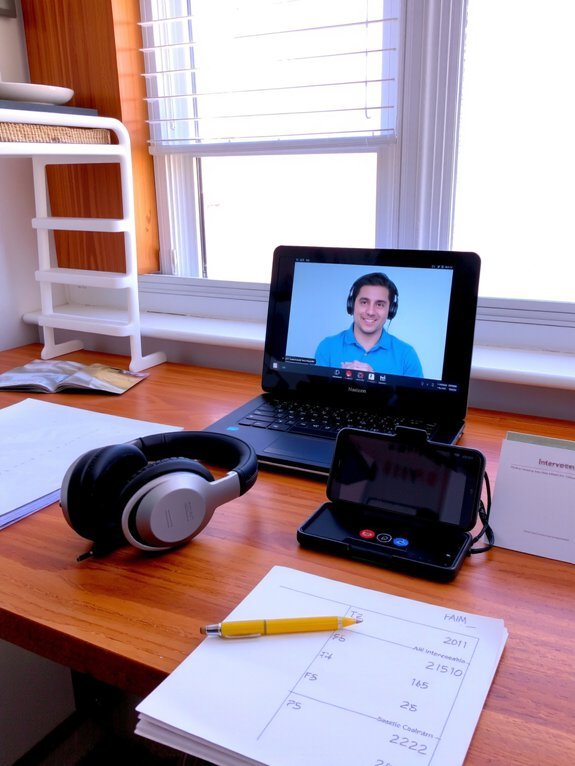
You’ve shown you can keep a cool head and type like a caffeinated octopus — now let’s go find the gigs that pay for that talent. I poke around remote job boards first, scanning titles, filtering for “remote,” and saving promising listings like little trophies. Then I hit customer service platforms that connect reps to companies, reading ratings, contract terms, and pay scales until something smells right. Don’t ignore company career pages, LinkedIn alerts, and niche forums where hiring managers actually chat. When you apply, tailor the first line, mention tools you’ve mastered, and attach short voice or chat samples — something crisp they can hear or read in ten seconds. Follow up politely, twice, and move on if silence lingers.
Essential Tools and a Productive Home Workspace

You’ll need a reliable tech setup — think fast Wi‑Fi that doesn’t quit mid‑call, a headset that cancels noise so you don’t sound like you’re broadcasting from a cave, and a computer that handles video, chat, and a million tabs without wheezing. Carve out a distraction‑free workstation, even if it’s a corner of the kitchen with a plant and a “Do Not Disturb” sign I promise you’ll actually use. I’ll walk you through the exact gear, setup tips, and little habits that keep you calm, clear, and paid.
Reliable Tech Setup
Since your tech is the stage you perform on, I treat it like the first thing we fix — quick, loud, and impossible to ignore. You need reliable internet speed, clear headset audio, and sensible hardware requirements, so customers hear you, and you don’t sound like a robot in a tunnel. Get wired where you can, test speeds, and reboot like a calm ninja. Keep cables tidy, lights soft, and a backup battery nearby — small comforts, big relief.
| Device | Purpose | Emotion |
|---|---|---|
| Router | Stable connection | Relief |
| Headset | Clear voice | Confidence |
| Laptop | Processing power | Calm |
| UPS | Power backup | Security |
Distraction-Free Workstation
If your living room doubles as an office and a laundry basket, we need to negotiate a truce — fast. You reclaim a corner: swivel chair, small desk, lamp that doesn’t flicker. I swear by ergonomic furniture, your back will thank you, and your calls will sound less like a groan fest. Hang thick curtains or add a rug for noise reduction, plug in a white-noise fan, or get headphones with active canceling. Stack a basket for socks, so laundry stops starring in your video calls. Keep water at hand, pens in a cup, and a sticky note for the three tasks that matter today. Close the door, announce “do not disturb,” and savor five uninterrupted minutes of work — it feels like a tiny vacation.
Resumes, Cover Letters, and Application Tips That Get Interviews

When I first started hunting remote customer service gigs, my resume looked like a sad grocery list—dates, job titles, nothing that smelled remotely of personality or impact, and I got crickets; now I know how to turn that list into a short, sharp story that makes hiring managers lean in. You’ll tidy resume formatting: clean fonts, clear headings, bullets that sell outcomes not chores, and one page unless you’re a superhero. Use cover letter strategies that pull a quick scene—problem, action, result—and sprinkle metrics, like “cut tickets by 30%,” for taste. Tailor each app, mirror language from the job post, attach a concise portfolio link, and follow up with a brief, friendly note. Be human, be specific, and don’t be boring.
Acing Remote Interviews and Live Assessments

How do you show up confident when the interviewer can only see your head and half a plant? You plant your smile, literally. Lean forward, breathe, nod like a tiny yes-man, and make eye contact with the camera, not the scrolling chat. I tell jokes that land, sometimes they flop—humor’s a risk, you recover fast. Use remote interview strategies: test audio, frame yourself, tidy the background, keep water handy. For live assessment techniques, think aloud while solving problems, narrate decisions, and ask clarifying questions, like you’re coaching yourself. When the role tosses a role-play, stay present, mirror tone, and use specific examples. Wrap up with a concise question, thank them warmly, then exhale. You just turned pixels into presence.
Onboarding, Performance Metrics, and Career Growth

I’ll walk you through the onboarding steps that get you up to speed fast, from logging into your headset to mastering the canned responses that actually sound human. You’ll learn which performance metrics matter — think handle time, CSAT, and resolution rate — and how to track them without feeling like you’re under a microscope. Stick with me, and we’ll turn those numbers into career fuel, so you can earn more, stress less, and maybe brag a little at the next virtual happy hour.
Efficient Onboarding Steps
Even if you’re juggling a messy desk and a perpetually dying mug of coffee, you can still set up an onboarding process that actually works — I promise I’ve tripped over worse. You’ll start with remote training techniques, short live demos, crisp guides, and onboarding best practices that don’t read like legalese. Make goals clear, practice real calls, and give feedback fast — like immediate, kind, useful notes.
| Step | Action | Timeframe |
|---|---|---|
| 1 | Welcome kit + checklist | Day 0 |
| 2 | Live demo + shadowing | Days 1–3 |
| 3 | Hands-on practice | Days 4–7 |
| 4 | Review + next steps | Day 8 |
I’ll cheer you on as you learn, stumble, then actually shine.
Tracking Performance Metrics
Three key numbers will tell you whether your new hires are flailing or flourishing, and I’m going to make you care about each one. You watch response time, resolution rate, and customer satisfaction like a hawk, you log calls, skim transcripts, and taste victory in a crisp “thank you” email. In your performance evaluation, be blunt: celebrate wins, fix gaps. Do regular metric analysis, weekly dashboards, quick coaching huddles, then send a one-line follow-up that makes people smile and act. You’ll hear nervous laughter, then steady improvement. I tell you this because numbers don’t lie, but people do — mostly to themselves. Track, talk, tweak. Repeat. That’s how you turn decent reps into money-makers, and keep your mornings sweet.
Ways to Increase Your Earnings: Upskills, Bilingual Support, and Freelancing

If you want to earn more without clocking extra hours, listen up—I’m going to show you the fastest, least painful routes to bump your pay. You’ll spot upskill opportunities, taste bilingual advantages, and surf freelance platforms, all aimed at boosting your income potential. First, learn a new tool, cert quickly, practice on real tickets—feel the click of confidence when you solve a tough case. Second, polish language skills, add regional slang, pretend you’re ordering coffee in Madrid, and watch higher-rate gigs appear. Third, sign up on two freelance platforms, pitch concise offers, grab short gigs, get five-star reviews, then raise your rate. Do this, keep receipts, and enjoy the cha-ching without burning out.
Conclusion
You’ve got the skills, and the world’s noisy; you’re calm in the storm. I’ll be blunt: start small, polish fast, collect wins like shiny coins. Set up a quiet corner, grab your headset, and pitch yourself confidently—then do the work better than they expect. Learn a language, try freelance gigs, ask for reviews, raise your rate. It’s steady grind and sudden payoff, messy and thrilling, and yes, you’ll actually get paid.


