You can turn house sitting into real income by swapping paid stays for reliable care, but doing it well takes a clear profile, smart pricing, and trust-building. Start by showcasing relevant experience, offering useful add-ons, and choosing platforms that match your goals. Learn how to set rates, secure references, and handle emergencies so homeowners feel safe — and you get steady, paid trips that actually fund your travel plans.
Key Takeaways
- Create a professional profile with clear photos, verified references, and specific caregiving experience to attract paid house-sits.
- Research local market rates and set tiered pricing (basic, full-care, emergency) with clear inclusions and extras.
- Offer add-on services like pet care, plant maintenance, and light repairs to increase income per sit.
- Require written contracts specifying duties, payment terms, emergency contacts, and cancellation policies.
- Maintain daily logs, provide homeowner updates, and have emergency plans to build trust and secure repeat bookings.
Why House Sitting Can Be a Profitable Travel Strategy
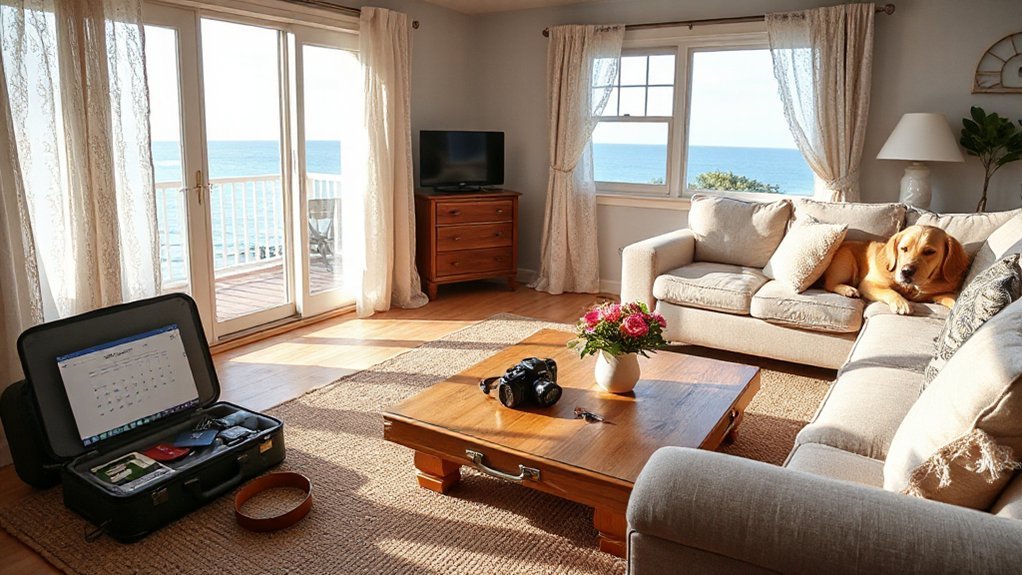
Because you’ll swap accommodation costs for simple caregiving tasks, house sitting can turn travel from a budget drain into a money-saving — and sometimes money-making — strategy. You’ll keep lodging expenses low or non-existent, freeing funds for longer trips or extra activities. House sitting benefits include access to local neighborhoods, more authentic travel experiences, and the chance to settle into a routine instead of rushing between hotels. You’ll often get utilities and amenities included, so daily costs drop. If you take paid assignments or add services like pet care or light maintenance, you can even earn while you travel. That combination of reduced expenses and occasional income makes house sitting a practical way to extend trips and deepen your travel experiences.
Creating a Standout Profile That Attracts Homeowners

To attract homeowners, use clear, professional photos that show your face and demonstrate pet or property care. Write a detailed, honest bio that explains your experience, availability, and how you’ll handle common homeowner concerns. List trust-building credentials—references, background checks, and insurance—to make people feel confident hiring you.
Clear, Professional Photos
One or two high-quality photos can make or break your house-sitting profile, so prioritize clear, well-lit images that show your face and the kind of care you provide. Choose a friendly, natural headshot and one action shot—walking a dog, watering plants, or returning mail—to demonstrate competence. Use simple photo composition: uncluttered background, centered subject, and eye-level framing. Pay attention to lighting techniques; shoot in soft natural light near a window or during golden hour to avoid harsh shadows. Dress neat and approachable, smile genuinely, and keep pets or props relevant and tidy. Crop tightly enough to read expressions but leave breathing room. Aim for crisp resolution and consistent style across images so homeowners immediately trust your professionalism.
Detailed, Honest Bio
A clear, honest bio lets homeowners see who you are and why they should trust you with their home; focus on the facts, your personality, and what you’ll actually do while they’re away. Write in first person, state your house sitting experience briefly, and mention personal motivations like travel, flexible work, or love of animals. Be specific: list typical duties you perform, availability, and how you handle emergencies. Keep tone warm but professional — homeowners want empathy and reliability. Avoid vague claims; give short examples of past situations you managed well. End with a clear call to action: invite them to message you for references or a quick video chat. Update the bio as your experience grows.
Trust-Building Credentials
Your honest bio sets the tone, but homeowners also look for concrete signals that you’re reliable — those trust-building credentials turn interest into bookings. List verifiable references, past homeowner testimonials, and links to social profiles so people can confirm your history. Complete platform credential verification like ID checks, background screens, and pet-care certifications; display badges prominently. Offer scanned insurance or bond documents when available. Share clear photos of you with pets and homes you’ve cared for; captions should note dates and duties. Promptly respond to messages and propose a short video call to introduce yourself — that human touch accelerates trust establishment. Keep all credentials current and easy to access to reduce friction for nervous owners.
Setting Rates and Negotiating Stipends or Fees

Decide what you want to earn before you quote a rate: factor in local market rates, the length and responsibilities of the assignment, travel and housing costs, and any special skills like pet care or plant maintenance. Be clear about your fee structures and be ready for rate negotiation; that helps you avoid underselling yourself while staying fair to homeowners.
- Itemize duties: daily pet care, garden/plant upkeep, security checks — assign hourly or flat fees.
- Add costs: travel reimbursement, supplies, insurance — state whether they’re included or extra.
- Offer tiers: basic stay (lower rate), full-care (higher rate), emergency availability (premium).
Communicate transparently, put agreements in writing, and stay flexible but firm on minimums.
Finding Reliable Platforms and Local Opportunities

You’ll get more consistent bookings by using trusted house‑sitting sites that verify profiles and host reviews. Don’t overlook local options either — neighborhood groups, vet clinics, and real estate agents can connect you with short‑term gigs. Build a simple pitch and follow up politely to turn those leads into steady work.
Trusted House-Sitting Sites
Where should you look first when hunting trustworthy house‑sitting sites? Start with reputable house sitting platforms that vet members, show verified reviews, and clearly state homeowner expectations. You want transparency, secure payment options, and identity verification so you can trust assignments and protect your reputation.
- Trusted international sites with verification, reviews, and dispute support.
- Niche platforms focused on pets or long-term sitting with clear homeowner expectations.
- Membership boards with background-check options and insurance info.
Check site policies on cancellations, fees, and communication. Read multiple reviews, confirm verification badges, and ask for references. If a listing seems vague or avoids contracts, walk away. Prioritize platforms that make responsibilities explicit so you can accept gigs confidently and protect both you and the homeowner.
Local Networking Options
Looking for house‑sitting gigs close to home? Tap into neighborhood networks first: attend local events, introduce yourself, and bring clear business cards or a simple flyer. Join community groups on Facebook, Nextdoor, or neighborhood forums and post concise offers that list services, availability, and references. Volunteer at pet meetups or community groups related to gardening or seniors to meet people who need dependable help. Partner with local pet sitters, dog walkers, or realtors for referrals and split leads fairly. Always offer in-person meetups, verified ID, and written agreements to build trust. Track contacts and follow up politely after events—consistent, visible presence in your community converts acquaintances into repeat clients.
Building Trust: References, Background Checks, and Contracts

Trust is the currency of house sitting, so build it deliberately with solid references, transparent background checks, and clear contracts that protect both you and the homeowner. You’ll want reference letters from past clients or hosts and be ready to authorize background verification — they reassure homeowners quickly. Use simple written agreements that specify duties, emergency contacts, pet care routines, keys, insurance, and payment terms. Keep copies digital and printed.
- Collect concise reference letters highlighting reliability, pet care, and problem-solving.
- Offer background verification options (ID, screening services) and explain results transparently.
- Draft a short contract template you can customize: scope, dates, responsibilities, compensation, and dispute steps.
Being professional and upfront wins repeat bookings and referrals.
Maximizing Income: Add-On Services and Upsells
Now that you’ve built credibility with references, background checks, and contracts, you can boost your income by offering add-on services that homeowners value. Offer clear, priced options: pet care—daily walks, medication administration, feeding schedules, and extra playtime; gardening services—watering, weeding, lawn mowing, and seasonal plant care. Present packages (basic, premium) and à la carte items so owners pick what fits. Photograph your work and list availability for emergencies or holiday surcharges. Be honest about limits and insurance; upsells shouldn’t create risk. Communicate expectations in writing and collect payment terms up front. Small, reliable extras increase perceived value and repeat bookings. You’ll earn more without overcommitting, and homeowners will appreciate the convenience and peace of mind.
Practical Tips for Long-Term Success and Safety
Because long-term house sitting depends on reliability as much as skill, you’ll want to build routines and safeguards that protect both you and the homeowner. Set clear expectations, document procedures, and follow safety precautions for pets, keys, appliances, and security systems. Create and share emergency plans and local contacts, and keep copies accessible.
Build routines, document procedures, and share emergency plans to protect both homeowner and sitter.
- Keep a daily log: note feedings, walks, maintenance, deliveries, and any irregularities so you and the homeowner stay informed.
- Secure the home: test alarms, replace batteries, lock windows, and store spare keys in a trusted, agreed location.
- Prepare for emergencies: have vet and mechanic numbers, a neighborhood backup, medical supplies, and a step-by-step plan for evacuation or urgent repairs.
Conclusion
House sitting can really change how you travel — you get free or paid accommodation while offering valuable care. Focus on a clear, honest profile, solid references, and fair rates so homeowners feel secure hiring you. Offer useful add-ons, use reputable platforms, and always get agreements in writing. Communicate clearly, plan for emergencies, and keep safety top‑of‑mind. With reliability and good service, you’ll build steady income and rewarding travel experiences.