You’ve got a sharp eye and a keyboard—let’s make that pay. I’ll show you how to proofread like a pro: spot commas that wobble, tame runaway paragraphs, and turn messy drafts into something a client won’t stop bragging about; you’ll build a portfolio, pitch without sounding desperate, set rates that don’t make you cringe, and use tools that do the boring work for you—stick around, because the part where you actually get your first steady clients is better than it sounds.
Why Proofreading Is a Viable Way to Earn Online
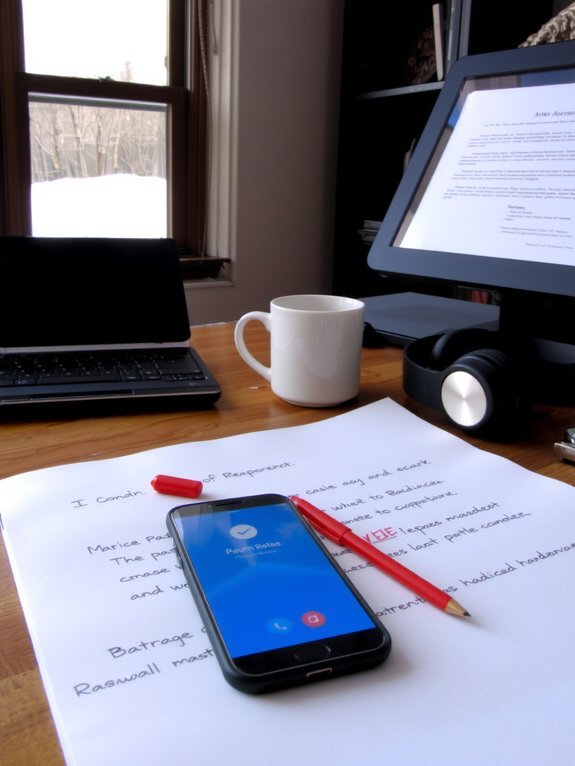
Even if you’ve never thought much about commas, you can turn that knack for spotting slip-ups into steady cash—trust me, I did. You sit at your kitchen table, coffee steam curling, and catch the tiny errors others miss; that’s the core proofreading benefits right there, immediate and satisfying. You’ll enjoy flexible hours, low startup cost, and work you can do in pajamas. Opportunities pop up everywhere, from blogs to small presses, and freelance opportunities let you pick projects that fit your mood and skill. I’ll warn you, it’s detail-heavy, sometimes lonely, but you’ll ship polished text and feel proud, like sending postcards from a tiny victory tour. Start small, build clips, and watch the offers land.
Essential Skills and Tools Every Proofreader Needs
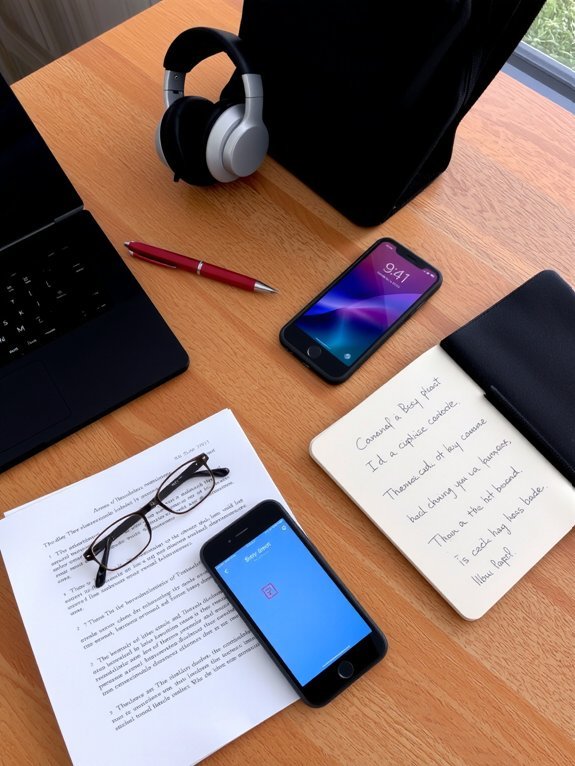
You need sharp grammar instincts, the kind that make commas and tense shifts flinch when you walk into a sentence, and I’ll show you how to catch them. You’ll also learn to love (or at least respect) style guides, those picky rulebooks that turn chaos into consistency, and I’ll give quick tricks to make them less scary. Finally, we’ll look at the essential software — the apps and shortcuts that save you hours and keep your eyes from glazing over.
Sharp Grammar Knowledge
Grammar’s my magnifying glass — I lean in, squint at a comma like it’s a tiny traffic sign, and I find the spots where a sentence wants to crash. You’ll train that eye, learn grammar nuances, and zip through sentences with confident proofreading strategies. Your toolkit? Rules memorized, instincts sharpened, ears for rhythm.
| Rule | Tip | Example |
|---|---|---|
| Commas | Read aloud | Pause, breathe |
| Agreement | Scan verbs | Singular/plural |
| Modifiers | Place close | Avoid dangling |
I’ll point, you’ll fix. We’ll catch split infinitives, misplaced modifiers, and the tiny hiccups that trip readers. You’ll feel clever, crank the red pen, and enjoy the quiet satisfaction of clean prose—like polishing a tiny brass doorknob until it gleams.
Style-Guide Mastery
So you’ve got an eagle eye for commas and a soft spot for shining prose — now let’s marshal that talent into the rulebook jungle of style guides. You’ll learn common style guide examples, flip between AP for news, Chicago for books, and MLA for student work, feeling like a linguistic switchboard operator. I’ll show you how to parse house styles, hunt down quirks, and document choices so clients stop asking you whether serial commas are a personality trait. Practice with real passages, mark changes, then explain them plainly. Style guide applications are everywhere, from marketing emails to academic articles, so you’ll adapt tone, punctuation, and citation like a chameleon with a red pen. It’s methodical, fun, and surprisingly boss-level.
Essential Software Tools
Three tools will save your proofreading life: a solid word processor, a reliable PDF editor, and a distraction-busting browser setup — trust me, you’ll thank me later. I’m speaking from coffee-stained experience, you’ll want proofreading software that flags grammar, but doesn’t dictate tone. Use editing applications that let you compare versions, add comments, and track changes without fuss. Open files, skim for typos, then zoom in for rhythm and clarity; you’ll hear errors like squeaky floorboards. Keep a clean browser with tab groups, ad-block, and a dark mode to spare your eyes. Install a quality PDF tool for annotations that stick. Pair these with a comfy keyboard, headphones, and a timer — you’ll catch more than typos, you’ll catch respect.
How to Build a Portfolio and Gain Your First Clients

Post samples on LinkedIn, Fiverr, or a one-page site, then DM prospects with a crisp note, include a sample edit, and suggest a quick 15-minute call. Show you’re reliable, fast, and human. First paid gig follows, usually when you stop overexplaining.
Setting Competitive Rates and Managing Payments

You should scope out what other proofreaders charge, skim a few profiles and job posts, then taste-test a few price points on sample projects so you know what sells. I’ll tell you straight: don’t undersell yourself — set tiered rates for quick checks versus heavy edits, and watch how clients react. For payments, pick secure, familiar platforms like PayPal or Stripe, state clear terms up front, and breathe easier when the money lands.
Research Competitor Rates
Numbers tell stories, and if you listen closely you’ll hear who’s charging what, where the sweet spots hide, and which rates are smoke and mirrors. You poke around proofreading platforms, you skim profiles, you jot numbers like a detective with sticky notes. Do competitor analysis: note niche, experience, turnaround, and whether they bundle fees. Feel the rhythm—some charge per word, others per hour, a few per page; it’s tactile, like flipping price tags. Compare apples to apples, not artisanal pears. Test your gut with small bids, see who bites. I whisper to myself, “Don’t undersell,” then laugh at my cheapness. Set a range, aim mid-high, keep room to negotiate, and update rates every quarter when the market hums louder.
Choose Secure Payment Methods
Okay, you’ve peeked at competitor prices and felt the market’s pulse—now let’s talk money that actually lands in your bank without drama. I’ll be blunt: pick secure payment options, not wishful thinking. Use trusted online payment platforms like PayPal, Stripe, or TransferWise, test a small invoice, feel the click, then scale. Offer clients card, bank transfer, or platform payments, state fees up front, and build a simple contract that says when cash shows. I’ve tripped over late-pay clients; now I require deposits. Send clear invoices, reminders that sound human, not legalese. Keep records, back up receipts, and move funds to a business account—no mingling with coffee money. You’ll sleep better, and so will your bank balance.
Efficient Workflow Tips and Productivity Tools

Because time’s the one thing clients won’t pay extra for, I’ve learned to treat my workday like a small, efficient factory—lights on, coffee warmed, distractions corralled. You’ll lean into workflow optimization: batch similar tasks, use templates, and mark style guides clearly so you don’t hunt for rules. Try productivity hacks like the Pomodoro, noise-cancelling headphones, and scripted email replies. I keep a checklist, a prioritized queue, and a tidy folder system that smells of zero panic (well, mostly). Use tools you actually like — Grammarly for catch-up, Antidote for nuance, a good PDF editor, and a simple time tracker. Pace yourself, log wins, and automate babysome repetitive bits. You’ll work smarter, not harder, and still have coffee.
Scaling Up: From Side Gig to Sustainable Business

If you want this to be more than a cute side hustle, you’ve got to treat it like a business, not a hobby you do between laundry loads. I say this because scaling strategies aren’t magic; they’re choices you make daily. Pick a niche, raise your rates slowly, hire a subcontractor when your inbox pings too loud. Track cash flow with a simple spreadsheet, smell the coffee while you invoice, and automate repetitive tasks so you can breathe. Set long term goals — buy health insurance, replace that squeaky chair, hire help. Say “no” to projects that drain you. Practice pitching, rehearse a crisp email, and celebrate small wins with chocolate. You’ll be surprised how fast consistent moves feel like real momentum.
Conclusion
Picture your laptop hum, coffee steam curling, as you spot a typo and feel a tiny victory. You’ll pitch, polish, invoice, repeat—then watch steady work stack like books on a shelf. I’ll brag less, you’ll brag more. Learn tools, show samples, set fair rates, automate payments, and protect your time. Start small, tighten your process, scale when it fits. You’ll turn sharp eyes into steady income, with room for a weekend hike.