You want to turn clicks into cash, and you can—if you stop hoping clients just stumble into your inbox. I’ll walk you through picking a sharp niche, building a portfolio that makes people reach for their wallets, pricing like a pro, and creating passive income from prints and stock, all without burning out; you’ll learn quick outreach lines, must-have contracts, and how to shoot with an accountant in mind—stick around, because the part where you actually get paid is worth the work.
Create a Business Plan and Define Your Niche
If you want to turn photos into paychecks, you’ve got to plan like a tiny, stylish startup — and yes, that means some boring spreadsheets, but also real choices about who you’ll be for the camera. You’ll start with business goals, clear and stubborn, write them down, smell the coffee, and stare at the page. Next, niche identification: pick one lane, portrait, product, or weddings, don’t be the photog who does everything and becomes forgettable. I’ll warn you, narrowing hurts, but it attracts clients who pay. Sketch pricing, list gear, map client journeys, rehearse your pitch in the mirror. Then test: shoot one paid gig in your niche, tweak, repeat. You’ll learn faster making, than planning forever.
Build a Professional Portfolio That Sells

Think of your portfolio as your storefront window — neat lights, a bold headline, and the one image that makes people stop mid-scroll. I tell you, less is more. Curate tightly, show range without noise, and sequence images so each click feels like a small reveal. Focus on portfolio presentation: clean layouts, fast-loading files, and captions that whisper context, not essays. Use visual storytelling to lead viewers through mood, color, and a clear subject. Include a hero shot, a behind-the-scenes peek, and one risky frame that proves you’re brave. Sprinkle short testimonials, contact info, and clear calls-to-action. Keep it updated, test it on a phone, and ditch anything that doesn’t make your heart jump.
Set Pricing, Packages, and Payment Terms
You’ll start by setting baseline rates that cover your time, gear wear, and a little coffee-fueled genius, so you don’t end up trading sunsets for snacks. Then you’ll build clear package tiers—think pared-down, popular, and all-the-frills—so clients can pick without that awkward back-and-forth. Finally, state payment and terms up front, with due dates, deposits, and a polite “I get paid” line, so everyone leaves happy and you actually get paid.
Determine Your Baseline Rates
Because I’ve seen too many photographers panic and undersell themselves, I’m going to make this simple: set rates that cover your time, gear, and dignity. You’ll start by doing freelance pricing research, a little competitive analysis, and brutal honesty about expenses. Add hourly prep, shoot, edit time, insurance, and shrinking sleep. Don’t forget taxes.
| Item | Minimum | Notes |
|---|---|---|
| Hourly rate | $50 | covers time |
| Gear fee | $20 | amortized per shoot |
| Edit per image | $8 | realistic pace |
Round up, test with friendly clients, and adjust. Get deposits, clear payment terms, and an invoice template. Say no to free work that eats your soul.
Build Clear Package Tiers
Once you’ve got your baseline rates locked, I like to build three tidy packages that do the selling for me—simple, honest, and impossible to misinterpret. You’ll name them to fit your brand, stack services visibly, and show clear tier advantages so clients pick fast. Mostly, you offer a basic, mid, and premium, each with a short punchy bullet list, sample images, and delivery times that smell like confidence. Include obvious package customization options, a clear add-on menu, and one quirky perk to make people smile. Say what’s included, show what’s optional, and let pricing do the heavy lifting. Clients hate guessing; you’ll hate chasing undecided emails. Clean, clear, done.
Define Payment and Terms
Money talk can feel awkward, like asking someone to hold your half-eaten sandwich while you count cash, but we’re going to make it smooth and unembarrassing—trust me. You set clear prices, list package inclusions, and state add-on fees, you don’t leave clients guessing. I tell clients which payment methods I accept—bank transfer, card, PayPal—so they pick what’s easiest. I require a deposit, a due date, and I spell out late fees, simple as a sticky note. During contract negotiations, be firm, kind, and specific: delivery timelines, usage rights, cancellation terms. Sign the agreement, send an invoice with payment links, and breathe. You’ll look professional, avoid surprises, and get paid on time.
Find Clients Through Networking and Outreach
You’ve got to get out there, meet people at local events, and make your face as familiar as the coffee shop barista—shake hands with wedding planners, walk into boutiques, and smell the sunscreen at outdoor markets while you hand out a card. I’ll teach you quick, no-awkward cold outreach lines that actually work, like a two-sentence email that shows value and feels human, plus a follow-up script you won’t cringe at. Start small, be consistent, and watch how those local connections and smart cold pitches turn into booked shoots and steady referrals.
Build Local Industry Connections
Think of networking as your portable studio—light, noisy, and a little awkward at first—because that’s exactly what it is when you take it out into the world. You show up to networking events, clutch coffee, trade cards, and actually listen. Get involved in community involvement projects, volunteer at shows, shoot fundraisers; people remember faces, smells of catering, laughter. Join industry associations and photography meetups, swap tips, make friends who bump you to gigs. Pitch local collaborations with florists, stylists, venues; form business partnerships that feel like co-conspiracies. Start small referral programs, offer a free print, and watch client relationships grow into repeat work. Be human, be useful, be a little ridiculous—it’s how deals start, and how you stay hired.
Cold Outreach Strategies
Cold emails are ugly little brave birds, and I like sending them. You’ll craft short, spicy notes, use cold email templates as a base, then personalize with a sight, smell, or concrete image — a sunlit storefront, the coffee steam curling — so they feel alive. Send one, then send another; good follow up strategies win more than one bold message. Be direct, state value, ask a tiny question. Imagine this:
| Subject | Hook | CTA |
|---|---|---|
| Quick shoot? | Local shop vibe | 15-min call |
| Product pics | Texture close-up | Sample shots |
| Event cover | Crowd energy | Quote request |
You’ll tweak, laugh at your awkward first tries, and keep going. Persistence, taste, and a wink get clients.
Market Yourself With a Strong Brand and Website
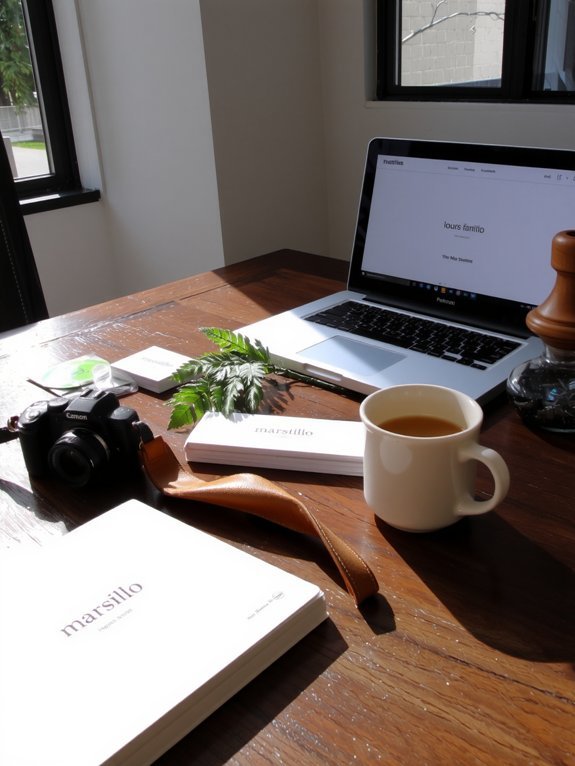
Two things sell your photography before a client even opens your portfolio: a memorable brand and a website that actually works. You need branding strategies that feel honest, not try-hard — a logo that snaps, a color palette you’d actually wear, a voice that sounds like you. Build a site that loads fast, shows big images, and makes booking stupidly simple; think website optimization, clear CTAs, and crisply captioned galleries. I’ll tell you, clients judge by smell — metaphorically — so make every pixel smell like professionalism. Take photos that sing, write micro-copy that winks, and test on phone and laptop. Tweak headlines, prune slow plugins, and rehearse your 10-second intro until it lands. Be bold, be readable, sell confidence.
Use Social Media and Content Marketing Effectively
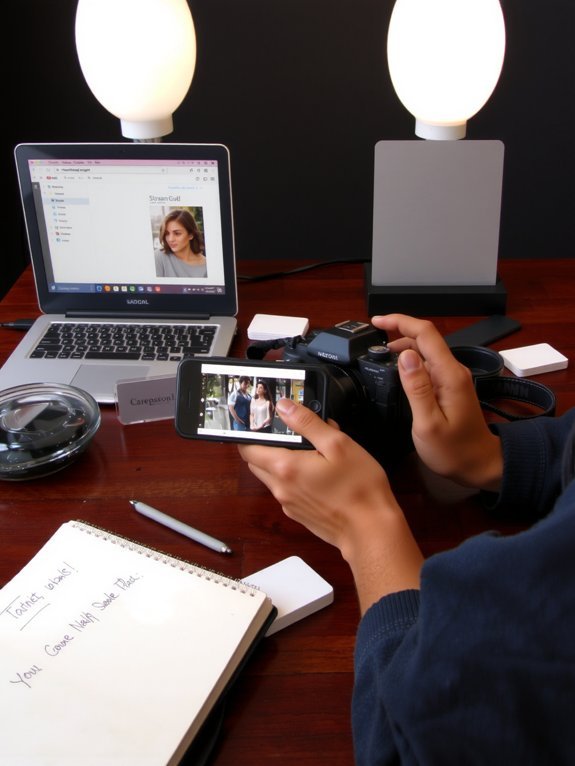
You’ll want your profiles to look sharp, with clear bio lines, a tight portfolio, and contact info that’s impossible to miss — I promise, people judge a page in seconds. Keep a consistent posting rhythm, I mean regular enough that your followers know when to expect you, but not so rigid you burn out; think weekly reels, behind-the-scenes shots, and a monthly blog post that actually teaches something. I’ll nudge you to try simple templates and a content calendar, grab a hot cup of coffee, and test what gets likes, saves, and, most importantly, bookings.
Optimize Your Profiles
Think of your profile as a tiny storefront window that has to shout “hire me” in one look—bright, clear, and impossible to ignore. You’ll pick a hero image that smells like sunlight, crisp edges, and good lighting—no blurry mystery art. I tell you what to write in the bio: one clear line about who you serve, one punchy specialty, one call-to-action. Profile optimization means using keywords, location, and contact buttons, so clients find and contact you without drama. Profile consistency ties platforms together—same name, headshot, tone, portfolio picks—so you look professional, not like you cloned accounts at 2 a.m. Fix links, pin a standout project, and proofread; tiny fixes, big bookings.
Consistent Content Schedule
You nailed your profile—nice headshot, clear bio, links that actually work—now let’s make sure people see the work behind that shiny storefront. You’ll set a consistent content schedule, because sporadic bursts look amateur. I plan posts, batch shoots, and write captions that smell like coffee and confidence. Use content planning, calendar blocks, and scheduling tools to queue photos, behind-the-scenes clips, and client testimonials. You’ll post predictable value, not random flair.
| Content Type | Frequency | Platform |
|---|---|---|
| Portfolio image | 2× week | |
| BTS clip | 1× week | TikTok |
| Client story | 1× week |
Stick to the plan, tweak with analytics, and don’t be afraid to recycle gold. You’ll grow.
Diversify Income With Prints, Products, and Licensing

Three smart revenue streams beat one lucky client any day, I always tell myself while cleaning ink off my fingers. You’ll want to mix print sales, clever product offerings, and clear licensing agreements so money shows up whether you’re shooting or sleeping. I sell framed prints at local art markets, hawk postcards and tote bags online, and draft simple contracts that protect usage and pay. Passive income comes from limited runs and reproducible merch, not stress. I photograph, edit, mock up, then ship — fingers smelling of paper and coffee, satisfied. List your work in online galleries that feel like storefronts, price with confidence, and say no to bad deals. Repeat. Keep a ledger, breathe, and watch income diversify.
Sell Photos via Stock Agencies and Microstock Platforms
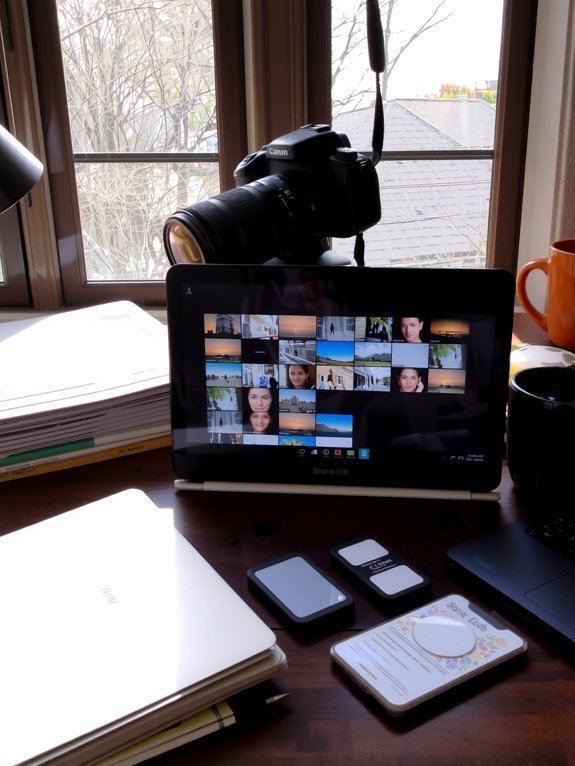
If you’re aiming for steady, low-effort cash, stock agencies are the vending machines of photography — load up your shots, walk away, and hope someone else feeds them quarters. You’ll upload batches, tag meticulously, and learn stock photo strategies fast, because bad keywords bury great images. I’ll tell you: shoot versatile scenes, clean backgrounds, and leave negative space; buyers want flexibility, not art-school dramas. Do platform comparisons — Shutterstock, Adobe, and niche sites each pay different rates, have varying exclusivity rules, and attract distinct clients. Learn contracts, model releases, and color calibration, then automate uploads and check analytics weekly. It’s not glamorous, it’s steady. You collect small royalties, rinse, repeat, and watch a passive stream trickle into your account.
Teach Workshops, Mentoring, and Online Courses

Stock sales pay the bills, but teaching fills the soul — and your calendar — with slightly nicer people and better snacks. You set up workshop formats — half-day shoots, full weekends, and online modules — and watch learners grin when they nail that tricky exposure. I stand beside you, demoing light, nudging a nervous student, smelling coffee and sunscreen. Offer mentorship benefits like portfolio reviews, shot lists, and honest critiques; people pay for guided shortcuts. Record crisp video lessons, host live Q&As, or run small field days where you say a lot and show more. Price tiers, bundle critiques, and give downloadable cheat sheets, you’ll see repeat clients. It’s teaching, it’s income, it’s you sharing hard-earned tricks with flair.
Manage Workflow, Contracts, and Taxes Efficiently

When your inbox looks like a wild campsite after a storm and receipts are nesting in the glovebox, you’ve got to tame the chaos — and I’ll show you how without the boring accounting lecture. You’ll set up simple workflow optimization: a folder system that smells faintly of coffee, automated backups, and a shoot-to-invoice checklist you actually use. Contracts get blunt, clear clauses — deliverables, deadlines, rights, payment terms — and you’ll send them before the shoot, not after you’ve sobbed into your camera bag. Tax strategies? Track expenses, separate accounts, quarterly estimates, and a spreadsheet that doesn’t scare you. Hire an accountant for the big stuff, or learn the basics. Breathe, click, invoice, repeat — you’ve got this.
Conclusion
You’ve got the gear, the grit, and a plan that actually breathes. Treat your niche like a lighthouse, your portfolio like a handshake, and your website like a storefront that never sleeps. Sell prints, teach a class, license a shot — stack income like pancakes. I’ll be blunt: hustle smart, not harder. Keep contracts tight, taxes tame, and clients smiling. Your camera’s hungry — feed it work, pride, and a little cash.